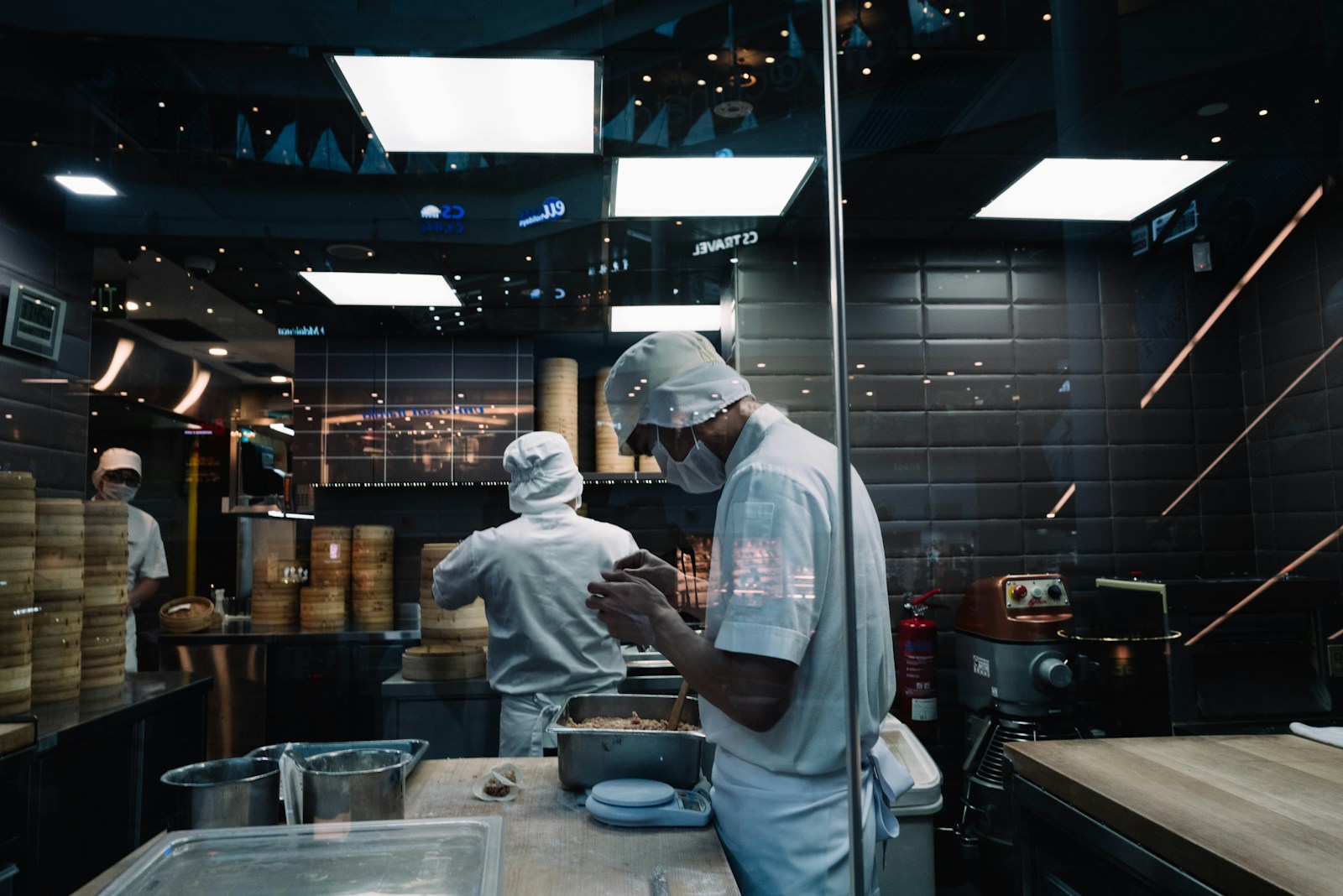
In a bustling kitchen environment, effective communication is essential for keeping everything running smoothly. However, a recent situation in a workplace has highlighted how a simple misunderstanding can lead to chaos in food management. A worker shared their experience on Reddit, revealing a perplexing issue regarding the labeling of produce—specifically, the phrase “use 2nd.”
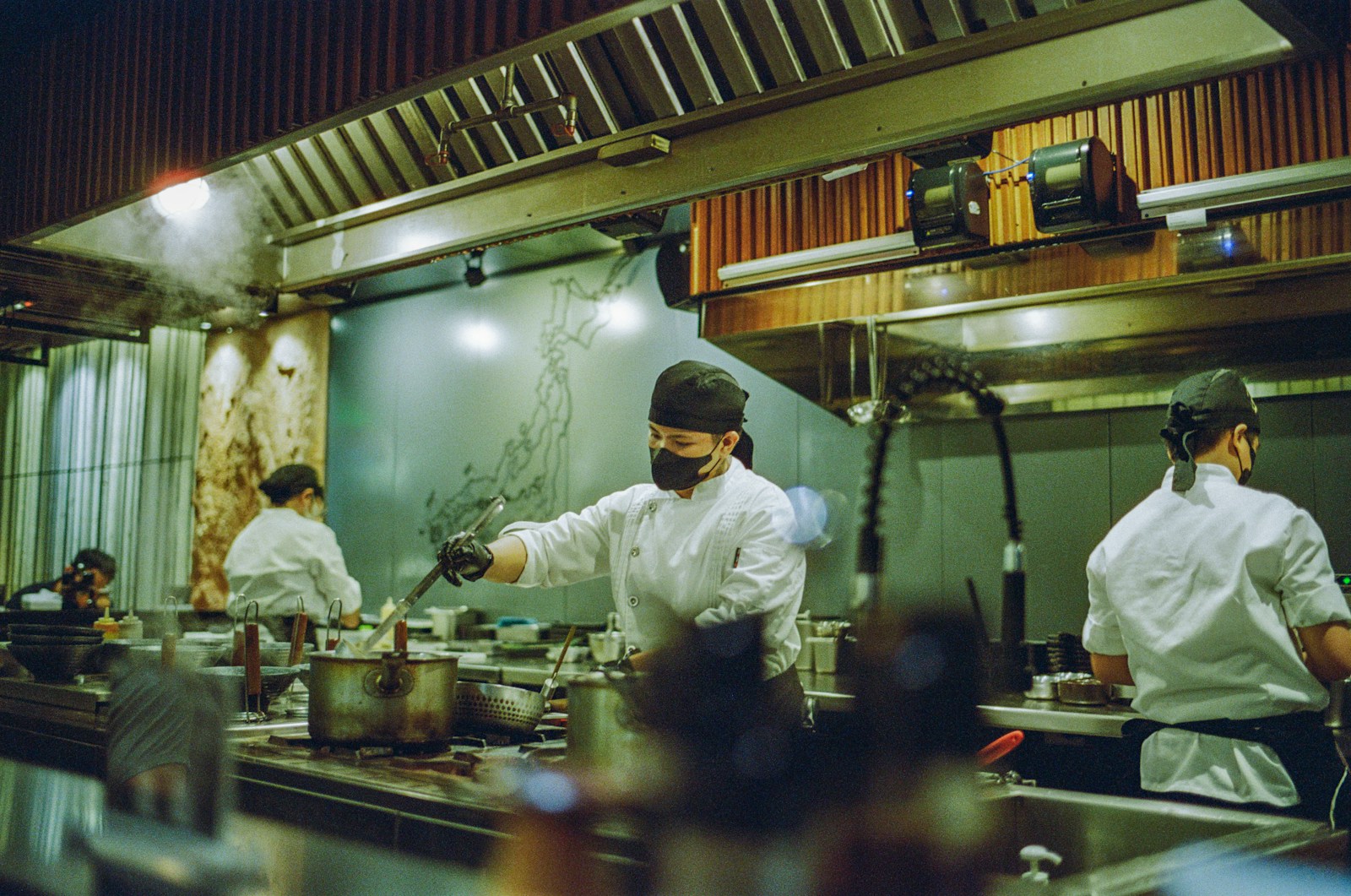
This worker discovered that someone in their workplace was consistently marking certain items with “use 2nd” instead of the more clear “use first.” The intention behind this labeling might have been good, but the execution left much to be desired. In one incident, the employee recounted finding produce dated May 18 being used instead of the earlier items, dated May 8, which were labeled incorrectly. It turns out that a newer, younger staff member saw the label and assumed that they were supposed to use the “second” batch of produce first, leading to a mishap that could have been avoided.
The worker took the initiative to address the issue by sending a message in the workgroup chat, hoping to clarify the confusion. They emphasized that the phrase “use first” would be a much more effective way to communicate the priority of the produce usage. Despite those efforts, the phenomenon of using “use 2nd” persisted, leading to further frustration for the employee. They now find themselves in an even more challenging position: not only are they dealing with the mislabeling, but they also don’t know who the culprit is.
In the world of food service, the organization of ingredients is not just a matter of preference; it’s crucial for minimizing waste and ensuring food safety. Produce that is nearing its expiry date should be prioritized, so it doesn’t go to waste. The mixing up of these labels can lead to unnecessary food loss and confusion among staff members trying to follow the guidelines. When employees rely on labels for direction, clarity is key, and the current labeling system has evidently fallen short.
For anyone who has worked in a kitchen or restaurant setting, it’s clear that teamwork is essential. A single miscommunication can derail an entire operation, affecting not only food quality but also the overall workflow. When multiple people are involved in managing food supplies, everyone must be on the same page. In this particular instance, it seems that a simple tweak in labeling could save the team from headaches down the line.
Many industries, especially those involving food preparation, often have their share of quirky or amusing anecdotes that arise from human error. This situation is a reminder of that reality, showcasing how even well-meaning intentions can lead to unintended results. It’s a classic case of someone trying to contribute positively, but the outcome leading to more complexity instead of resolution.
As frustrating as this labeling dilemma may be, it also presents an opportunity for workplaces to establish clearer communication protocols. Regular check-ins and reminders about labeling practices can help keep everyone aligned. Perhaps this incident can serve as a catalyst for a discussion on improving communication within the kitchen setting, ensuring that new and existing team members alike understand the importance of labels and following best practices.
Undoubtedly, many readers can relate to this experience in various ways. Whether it’s a workplace quirk or a household mix-up, communication remains a vital component of daily life. This story illustrates that, no matter how trivial a miscommunication may seem, it can have tangible effects on operations and efficiency. The worker’s experience is a microcosm of broader workplace dynamics, where every detail counts in the grand scheme of successful teamwork.
As the Reddit conversation continues to unfold, it will be interesting to see how this issue impacts the worker’s kitchen. Will their fellow employees heed the advice and adjust their labeling techniques? Or will the “use 2nd” label continue to cause confusion? For now, one thing is clear: communication is the key to a well-functioning workspace, and small changes can make a significant difference.
More from Willow and Hearth:
Leave a Reply