When you declutter, it is tempting to drop everything at the nearest donation bin and assume a thrift store can use it. In reality, many household castoffs cost charities time and money because they cannot be sold safely or legally. Knowing which items thrift stores do not want helps you support them more effectively and keeps unusable goods out of the waste stream.
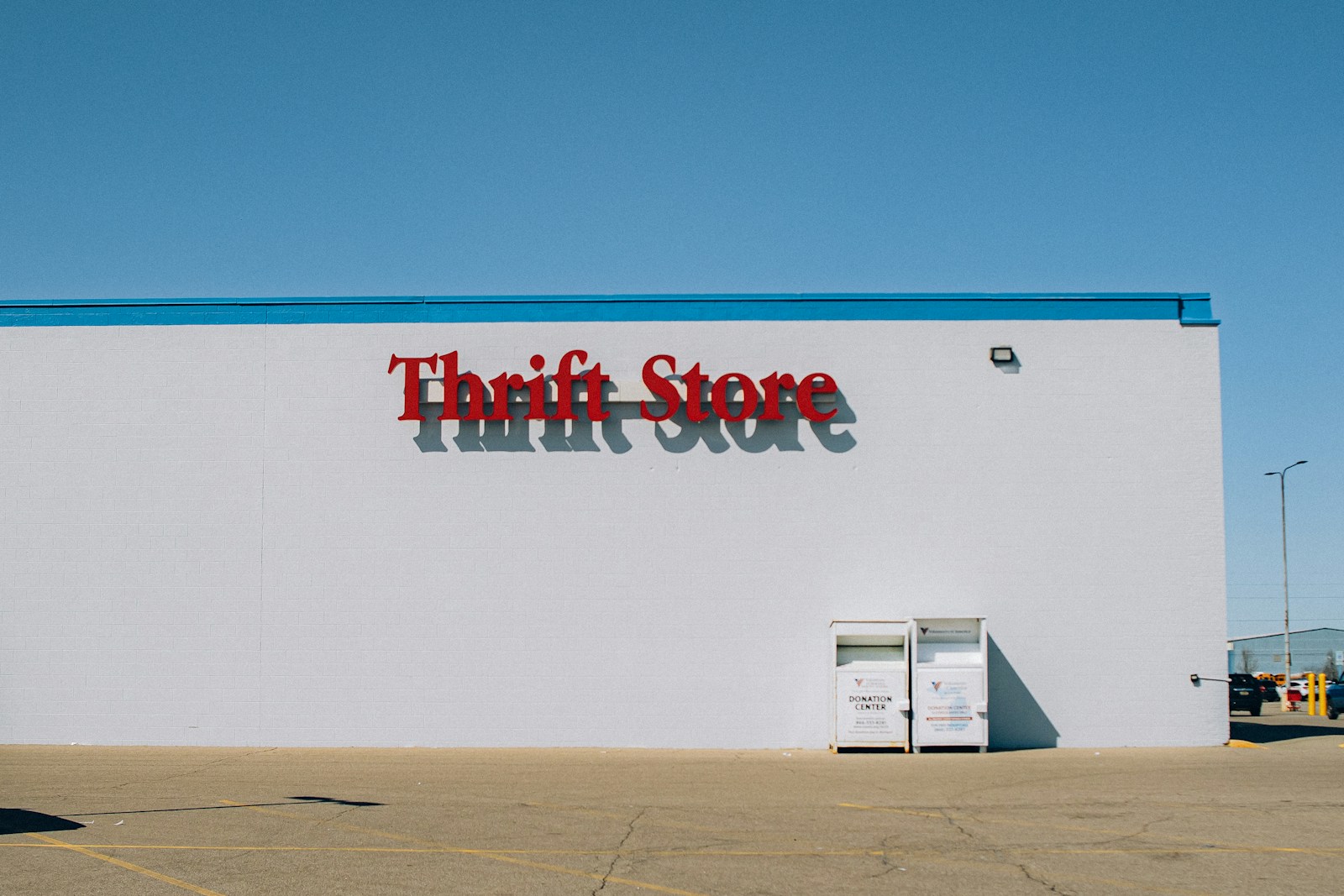
1) Stained or Torn Clothing
Stained or torn clothing is one of the most common items thrift stores have to throw away, even though donors often assume “someone can fix it.” Guidance on what to donate stresses that shops need Clean, gently used garments, not pieces with rips, holes, or set-in discoloration. Sorting volunteers rarely have time to mend seams or treat mystery stains, and visible damage makes clothing nearly impossible to sell at any price.
When you donate clothing that is ripped, badly pilled, or permanently marked, the store usually pays to haul it to the landfill, which cuts into funds for jobs programs and community services. If an item is too shabby for you to wear on a quick errand, it is typically too worn for resale. Consider textile recycling or repurposing damaged pieces as rags instead of sending them through the donation pipeline.
2) Used Underwear and Socks
Used underwear and socks are items you should never donate to a thrift store, even if they look clean. Hygiene rules mean that most shops will not resell intimate garments that have been worn, and Most used socks and underwear are specifically flagged as off-limits for donation. These pieces are considered personal items with a high risk of staining, odor, or hidden wear that customers cannot easily inspect.
Some organizations will accept brand-new packaged underwear or socks for direct distribution, but that is very different from stocking them on a thrift rack. When you drop worn intimates into a donation bin, staff must sort, bag, and discard them, which diverts labor from processing sellable goods. To support charities effectively, keep used underwear and socks out of your donation bags and purchase new basics if you want to help meet those needs.
3) Mattresses and Box Springs
Mattresses and box springs are another category that most thrift stores refuse, even when they appear lightly used. Lists of items you should never donate explain that bedbug infestations, mold, and body fluids are difficult to detect and nearly impossible to remediate affordably. Health codes in many regions also require special treatment or labeling for used bedding, which small charities are not equipped to manage.
On top of sanitation concerns, mattresses and box springs are bulky, expensive to transport, and slow to sell, so they tie up valuable floor space. When donors leave them at unattended drop sites, stores often must pay disposal fees. If your mattress is still in good condition, look for specialized reuse programs or local furniture banks that can verify safety standards, or arrange bulk pickup through municipal recycling if it is at the end of its life.
4) Baby Cribs and Car Seats
Baby cribs and car seats are items you should never donate to a thrift store because safety standards change frequently and defects can be life-threatening. A detailed list of Baby Furniture and Car Seats notes that recalls, missing hardware, and unknown crash histories make these products too risky to resell. Even if a crib looks sturdy or a car seat appears clean, there is no easy way for staff to verify that it meets current regulations or has not been compromised.
Some donation centers explicitly list Cribs and Car seats among items they will not accept at all. For parents, the stakes are high, because relying on an outdated or damaged product can undermine critical safety features. Instead of sending these pieces to a thrift store, check manufacturer guidance on expiration dates and recalls, then contact local recycling programs or trade-in events that are designed to handle them responsibly.
5) Large Appliances
Large appliances like refrigerators, stoves, and old washer-dryer sets are difficult for thrift stores to handle. Donation guidelines that distinguish What Not to give often group oversized or nonworking appliances with other items that require special disposal. Staff must test every unit for basic safety, and older models may not meet current energy standards, which makes them unattractive to shoppers trying to keep utility bills in check.
From a logistics standpoint, refrigerators and similar appliances are heavy, require dollies or lift gates, and can leak coolant or oil if they are damaged. Smaller community shops, including some of the Portland area thrift stores that focus on low prices, often lack warehouse space for bulky items that might sit unsold for weeks. If your appliance still works, consider offering it through local mutual-aid groups or resale platforms where the recipient can arrange direct pickup.
6) Faulty Electronics
Faulty electronics, including televisions without power cords, laptops that will not boot, and broken DVD players, are another category thrift stores do not want. Donation advice on things not to donate emphasizes that shops cannot safely sell items that have not been tested. Frayed cords, missing chargers, and cracked screens can create fire hazards or shock risks that staff are not trained to diagnose.
Even when a device powers on, outdated formats and operating systems often have little resale value, so they occupy shelf space that could go to more useful goods. Many municipalities and electronics retailers run e-waste programs that can handle batteries, circuit boards, and metals more responsibly. Before donating, plug in your electronics, confirm they function, and include all necessary cables; otherwise, route them to an appropriate recycling stream instead of a thrift drop-off.
7) Used Toiletries and Cosmetics
Used toiletries and cosmetics, from half-empty shampoo bottles to opened mascara, are items thrift stores almost always discard. Donation lists explain that Thrift stores rarely accept toiletries because they cannot verify how long a product has been open or whether it has been contaminated. Once a jar or tube has touched skin, bacteria and mold can grow, especially in warm, humid bathrooms.
Similar warnings appear in coverage of clutter clearing, where experts note that even “barely used lotions, soaps, and makeup supplies” lurking in cabinets are poor candidates for donation. Expired sunscreen, foundation, and eye products can irritate skin or fail to protect against UV exposure, which exposes both shoppers and stores to unnecessary risk. If you want to keep personal care items out of the trash, look for local programs that accept sealed, unexpired products or focus on buying smaller sizes you can finish.
8) Perishable or Expired Food Items
Perishable or expired food items do not belong in thrift store donation bins, even if the packaging looks intact. Guidance on items you should never donate notes that food is subject to strict health regulations, and most thrift operations are not licensed as food pantries. Refrigerated or frozen goods can spoil quickly during transport, and staff cannot safely monitor temperature controls for random grocery drop-offs.
Even shelf-stable items that are past their “best by” or “use by” dates create liability concerns if someone becomes ill. Instead of sending pantry clean-out leftovers to a thrift store, contact local food banks that publish clear rules on what they can accept. Many will take unopened, in-date staples like rice and canned vegetables but will decline home-canned foods, dented cans, or anything that has been opened, which keeps the focus on safe, reliable nutrition for clients.
9) Hazardous Household Chemicals
Hazardous household chemicals, including leftover paint, pesticides, automotive fluids, and certain cleaners, are firmly on the “do not donate” list. Sustainability-focused guides that outline Damaged or hazardous items explain that these products require specialized handling and cannot be sold on a typical retail floor. Leaking containers can damage other donations, and fumes from solvents or fuels can create unsafe conditions for staff and shoppers.
Local regulations often classify these substances as household hazardous waste, which means they must be taken to designated drop-off sites or collection events. When donors leave them at thrift stores, employees are forced to manage materials they are neither trained nor permitted to process. Check your city’s environmental services department for instructions on disposing of oil, antifreeze, and similar products, and keep them out of your donation boxes entirely.
10) Weapons and Ammunition
Weapons and ammunition are items thrift stores categorically reject because of legal restrictions and safety concerns. Lists of things you cannot donate highlight that firearms, knives designed as weapons, and any type of ammunition fall outside what a typical charity is licensed to handle. Background checks, secure storage, and transfer paperwork are beyond the scope of most secondhand shops.
Even nonfunctional or antique weapons can create problems, since staff cannot easily verify whether they are safe or legally transferable. Ammunition and fireworks pose obvious fire and explosion risks if they are mishandled or stored improperly. If you need to dispose of these items, contact local law enforcement or a licensed firearms dealer for guidance, and never leave them in a donation bin or at a loading dock where untrained workers might encounter them unexpectedly.
11) Recalled Consumer Products
Recalled consumer products, from malfunctioning pressure cookers to unsafe toys, should never be passed along to thrift stores. Safety alerts are issued when regulators determine that a product design or component can cause injury, and guidance on recalled items stresses that reselling them keeps dangerous goods in circulation. Thrift staff usually do not have the capacity to cross-check every donation against recall databases, so they rely on donors to act responsibly.
When you knowingly donate a recalled item, you shift the risk to an unsuspecting shopper who may not realize there is a problem until something goes wrong. Manufacturers often offer repair kits, refunds, or replacements, which are safer routes than donation. Before dropping off appliances, children’s products, or electronics, search recall lists by brand and model number, and dispose of any affected items according to the instructions provided.
12) Incomplete Puzzle or Game Sets
Incomplete puzzle or game sets are easy to overlook when you are decluttering, but they are a headache for thrift stores. Donation advice that highlights incomplete items explains that missing pieces make games unsellable, since buyers cannot enjoy them as intended. Staff rarely have time to count every card or puzzle piece, so they often discover gaps only after a customer complains.
From the shopper’s perspective, opening a 1,000-piece puzzle to find 997 pieces or a board game without key tokens is frustrating and erodes trust in the store’s quality standards. Professional organizers who hunt for storage solutions and decor at secondhand shops note that they focus on complete, functional items, not projects that require repair. If you want to donate games, tape boxes securely and verify that all components are present; otherwise, recycle cardboard and plastic parts where possible instead of sending them to the sales floor.
Leave a Reply