Your garage should work like a mini command center for your home, not a dumping ground for everything that does not fit inside. Clearing out the wrong items can instantly make it safer, more efficient, and easier to use. Start with these 18 things experts say to toss ASAP so your garage finally supports how you live now, not how you used to.
1) Old Paint Cans
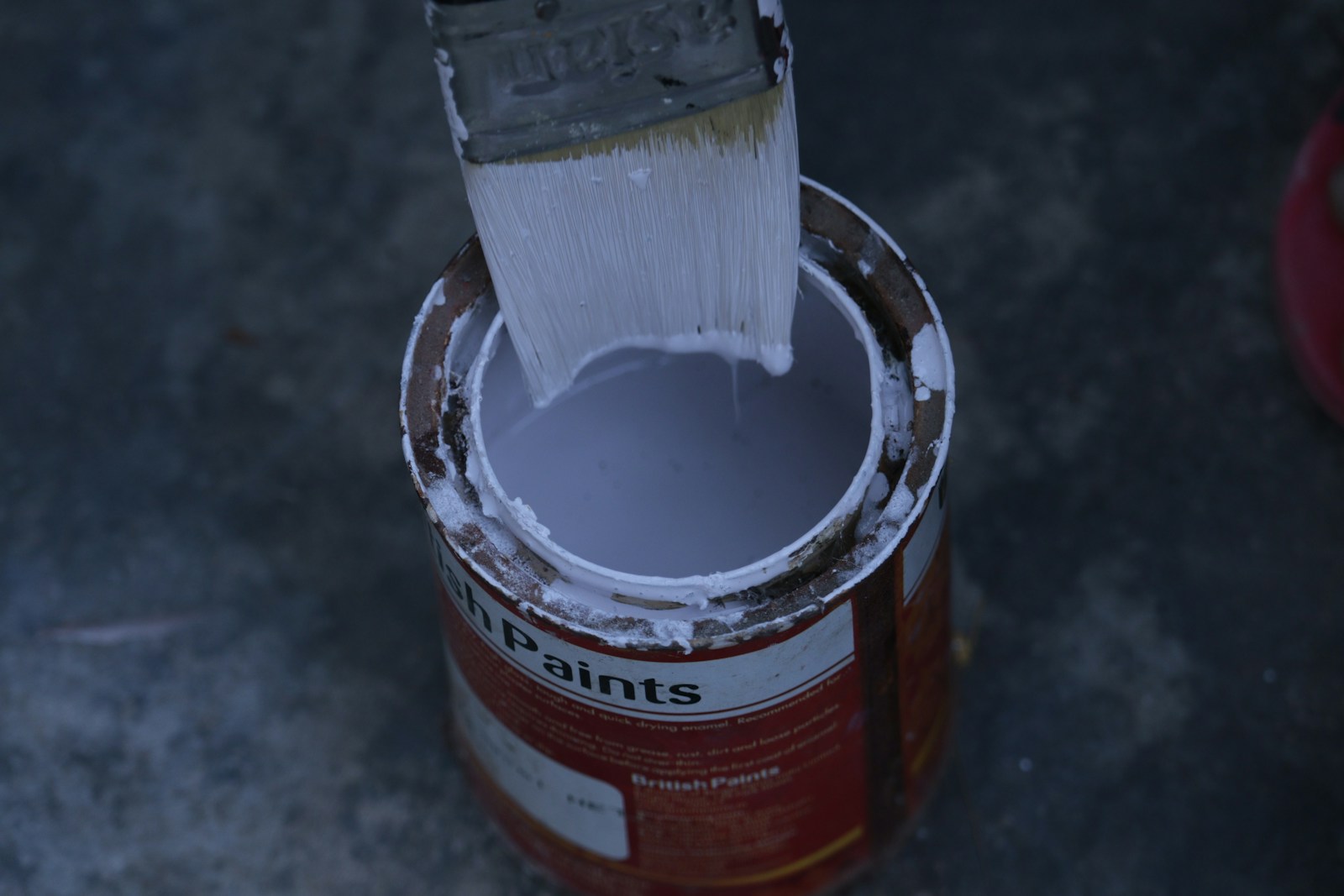
Old paint cans are one of the most common hazards hiding in garages, especially when they have been stored for years and started leaking. Guidance on basement clutter warns that leftover liquids and finishes can seep in damp areas, creating stains and chemical residue on floors and walls, and the same logic applies in a garage. When lids rust or crack, volatile compounds can escape, and the cans themselves become unstable. That combination raises the risk of accidental spills, fumes, and contamination where you park your car or store kids’ gear.
Experts who outline things you need to toss from your basement specifically flag old, deteriorating paint and similar liquids as items that should not linger in long-term storage. In a garage, those cans are also vulnerable to temperature swings that can break down the product and the container. The stakes go beyond mess, since flammable coatings can complicate a fire and make clean-up costly. Check labels for disposal instructions, use local hazardous-waste programs, and keep only clearly labeled, usable paint in tightly sealed containers.
2) Duplicate Tools
Duplicate tools clutter shelves and pegboards, making it harder to find the one screwdriver or drill bit you actually need. Basement decluttering advice points out that heavy, redundant equipment eats up valuable floor and shelf space that could be used for items you truly rely on. When you have three hammers and four nearly identical socket sets, you are more likely to lose track of what you own and buy yet another replacement. That cycle wastes money and turns your garage into a maze of half-used toolkits and dusty cases.
Organizing specialists who focus on reclaiming storage areas emphasize that bulky duplicates are prime candidates for donation or recycling, especially when they are rarely used. In a garage, clearing out extra tools opens up room for a safer workbench, better bike storage, or a dedicated zone for car maintenance. It also reduces the risk of tripping over heavy items left on the floor or straining yourself lifting boxes packed with metal tools you never reach for. Keep one reliable version of each tool, then pass the rest along to neighbors, community repair groups, or charity drives.
3) Outdated Holiday Decorations
Outdated holiday decorations often migrate from basements to garages, where they sit in cracked bins and collapsing boxes year after year. Reporting on what to toss from storage spaces notes that old, damaged seasonal gear takes up prime real estate while offering little value once lights are faded or ornaments are broken. In a garage, those boxes usually end up stacked in hard-to-reach corners, blocking access to more practical items like snow shovels, lawn equipment, or emergency supplies. The result is a cluttered space that is frustrating every time you need something quickly.
Professional organizers who help people sort through seasonal clutter recommend evaluating decorations by condition and actual use, not nostalgia alone. If a string of lights is tangled beyond repair or inflatables are punctured, they are functioning like trash, not décor. Storing them in a garage also exposes them to temperature extremes that can crack plastic and degrade wiring. Toss anything that is broken, discolored, or unused for several seasons, and re-pack the rest in labeled, weather-resistant bins. That simple edit makes it easier to decorate when holidays roll around and keeps your garage shelves from overflowing.
4) Empty Cardboard Boxes
Empty cardboard boxes might feel harmless, but in a garage they quickly become a magnet for pests and moisture. Advice on basement storage warns that accumulated paper and cardboard waste attracts insects and rodents that chew, nest, and leave droppings in hidden corners. In a humid or uninsulated garage, those boxes also absorb dampness, sag, and collapse, which can damage anything stored inside them. Stacks of flattened boxes along the wall can topple, block access to outlets, and create a fire hazard if they sit near water heaters or electrical panels.
Organizing experts recommend replacing long-term cardboard storage with plastic bins that seal tightly and resist moisture. By recycling extra boxes instead of hoarding them “just in case,” you cut down on clutter and make it easier to sweep, mop, or hose out the garage floor. That simple shift also protects seasonal items, tools, and keepsakes from mold and mildew. For the few boxes you truly need for shipping or returns, keep a small, clearly defined stash and break down the rest. Your garage will feel more open, and you will reduce the risk of pest infestations spreading into the house.
5) Expired Cleaners and Solvents
Expired cleaners and solvents are another category that should not linger in your garage. Basement hazard warnings highlight that outdated household chemicals can pose health risks when containers degrade, labels fade, and ingredients separate. In a garage, where temperatures swing from freezing to sweltering, those products can become even more unstable, increasing the chance of leaks and fumes. Bottles of degreaser, old brake cleaner, or mystery spray cans shoved behind paint supplies may no longer work as intended, yet still release harsh vapors into a space connected to your home.
Guides on what to remove from storage emphasize checking expiration dates and condition, then using local hazardous-waste programs for safe disposal. Keeping expired cleaners around also raises the risk that someone will grab the wrong product for a job, mix incompatible chemicals, or store them near ignition sources. Clearing them out frees up shelf space for a small, curated set of products you actually use and understand. It also protects kids, pets, and anyone working in the garage from accidental exposure to corrosive or toxic substances that no longer belong in everyday circulation.
6) Rusted Metal Scraps
Rusted metal scraps, from bent lawn tools to old brackets and pipes, tend to accumulate in garage corners “for future projects” that never happen. Basement cleanout guidance notes that broken or rusted metal items only corrode further in storage, staining floors and nearby belongings. In a garage, humidity and road salt from your car accelerate that corrosion, turning once-solid pieces into sharp, flaky hazards. Piles of rusted hardware can also hide nails, screws, and jagged edges that cut hands or puncture tires when you move things around.
Organizers who specialize in stress-free garages point out that keeping these scraps rarely pays off, especially when replacement parts are inexpensive and easier to find than ever. Instead of letting them sprawl across shelves or under workbenches, sort out anything that is structurally sound and recycle the rest as scrap metal. This step not only reduces visual clutter, it also improves safety for anyone walking barefoot from the house to the car. With the rust gone, you can better protect tools you actually use and maintain a cleaner, more functional workspace.
7) Obsolete Workbenches or Shelves
Obsolete workbenches or shelves often dominate a garage long after they have stopped serving you. Basement storage evaluations highlight how oversized or outdated furniture components can block pathways and limit how flexibly you use a space. In a garage, a sagging workbench that is too low, too deep, or too unstable becomes a dumping surface instead of a productive station. Old shelving units that bow under the weight of paint cans or car parts can also fail suddenly, scattering heavy items across the floor and creating a serious safety risk.
Space-planning experts recommend treating your garage like any other room, assessing whether each large piece of furniture earns its footprint. If a bench is warped, riddled with splinters, or impossible to organize, it is time to dismantle and discard it so you can install storage that fits your current tools and hobbies. Removing obsolete structures opens up room for wall-mounted systems, ceiling racks, or modular cabinets that keep items off the floor. That shift can transform your garage from a cluttered catchall into a streamlined workshop or gear hub that supports daily routines.
8) Tangled Extension Cords
Tangled extension cords are more than an eyesore, they are a genuine trip and fire hazard in tight garage aisles. Basement advice about decorative strings and lights notes that when cords become knotted, frayed, or kinked, they are harder to inspect and more likely to fail. In a garage, where you may run power to lawn tools, shop vacuums, or holiday displays, damaged cords can overheat or expose live wires. Coiled piles on the floor also invite people to step through loops, catch them with ladders, or drag them under car tires.
Organizers suggest evaluating cords the same way you would old string lights, discarding any that are cracked, stiff, or missing grounding prongs. Replacing them with properly rated, outdoor-safe cords and storing them on reels or hooks keeps your garage safer and easier to navigate. It also reduces the temptation to daisy-chain multiple short cords together, a practice that can overload circuits. By tossing the worst offenders and organizing the rest, you protect your tools, your electrical system, and anyone moving through the space with arms full of groceries or gear.
9) Unused Bikes or Gear
Unused bikes or gear, including “Unwanted Sports Gear and Toys,” are classic space hogs in garages. Guidance on things in your garage you should throw away now for extra space, organizers say singles out items like old bicycles, scooters, and sports equipment that sit untouched and collect dust. When these pieces lean against walls or pile up in corners, they block access to frequently used tools and create tripping hazards. Tires dry out, chains rust, and plastic components degrade, turning once-valuable gear into clutter that is harder to donate or repair.
Experts who help families reclaim garages recommend an honest audit of how often each bike or piece of equipment is used. If a child has outgrown a 20-inch bike or you have not touched the camping gear in years, those items are better off in a community program, resale shop, or recycling stream. Clearing them out can free entire sections of wall or ceiling storage, making room for the gear you actually use each season. It also reduces the emotional weight of seeing abandoned hobbies every time you open the garage door.
10) Defunct Garage Appliances
Defunct garage appliances, such as old air compressors, mini fridges, or shop vacuums that no longer work, quietly eat up square footage. Basement decluttering lists call out old electronics or appliances that are no longer functional as prime candidates for removal before they become permanent fixtures. In a garage, these dead machines often sit under piles of extension cords or paint supplies, making them harder to move and more likely to harbor dust and pests. Some may still contain oils, refrigerants, or other materials that require careful disposal.
Organizing professionals advise treating nonworking appliances as a separate project, checking whether they can be repaired economically or should go straight to an e-waste or appliance recycling program. Keeping them “just in case” you might fix them later usually means sacrificing valuable floor space that could store seasonal tires, lawn equipment, or a workbench. Removing them also reduces the temptation to plug in questionable devices that might have damaged wiring or outdated safety features. Once they are gone, you can better assess whether you truly need a replacement or can live with a leaner, safer setup.
11) Worn Drop Cloths
Worn drop cloths, tarps, and fabric mats often end up balled in a corner of the garage, stained with paint, oil, and yard debris. Basement guidance on stained or worn fabric covers and mats notes that once textiles are saturated with grime, they are difficult to clean and can harbor allergens. In a garage, those same fabrics absorb moisture from concrete floors and car snowmelt, encouraging mildew and unpleasant odors. They also become less effective at protecting surfaces, since thin or torn areas let spills seep through to the floor.
Home-care experts recommend inspecting these items for heavy staining, fraying edges, and lingering smells. If a drop cloth has hardened paint crusts or a mat is permanently slick with oil, it is no longer doing its job and may even create slip hazards. Replacing them with washable, heavy-duty options and storing them folded on a shelf keeps your garage cleaner and more functional. Tossing the worst offenders also reduces the amount of fabric that pests can burrow into, helping you maintain a healthier environment around your vehicles and tools.
12) Scattered Hardware Bits
Scattered hardware bits, from random screws to mystery brackets, can overwhelm any attempt to organize a garage. Basement small-item tips highlight how miscellaneous hardware in disarray quickly becomes visual noise that hides the pieces you actually need. When coffee cans and plastic tubs overflow with mixed nails, anchors, and bolts, you are more likely to buy duplicates than to dig for the right size. That clutter also makes it harder to keep work surfaces clear, since loose hardware tends to migrate onto benches and shelves.
Professional organizers suggest sorting hardware into clear, labeled containers and being ruthless about discarding bent, rusted, or unidentifiable pieces. If you cannot match a bracket or hinge to a specific project, it is functioning as clutter, not a spare part. Consolidating what remains into a small, well-organized system frees up drawers and cabinet space for tools and supplies you use regularly. It also speeds up home repairs, since you can quickly find the right fastener instead of hunting through piles of metal that have accumulated over years of projects.
13) Old Rags and Wipes
Old rags and wipes are easy to toss into a garage bin after cleaning projects, but they can quietly create hygiene problems. Guidance on Things To Toss From Your Linen Closet Immediately singles out “Old Towels,” “Extraneous Backups,” and “Anything Not Linen-Related” as items that harbor bacteria when they sit damp and forgotten. In a garage, oil-soaked rags and used wipes are even riskier, since they can trap chemicals and, in some cases, contribute to spontaneous combustion if piled in an unventilated container. They also attract pests looking for soft nesting material.
Cleaning experts recommend limiting your rag collection to a small, clearly defined set of washable cloths stored in a dry, ventilated spot. Anything that has been used with harsh solvents, stain, or fuel should be handled according to local hazardous-waste rules instead of tossed in a corner. By clearing out grimy, threadbare rags, you reduce odors and lower the risk of contamination spreading to tools, sports gear, or pet supplies stored nearby. A leaner, fresher stash of cleaning cloths makes it easier to keep both your garage and your car interiors in good shape.
14) Excess Car Covers
Excess car covers, tarps, and protective sheeting often migrate from closets to garages when they no longer fit or function well. Advice on Things To Toss From Your Linen Closet Immediately warns against “Anything Not Linen-Related” and “Extraneous Backups,” a principle that applies directly to mismatched or unnecessary covers. In a garage, bulky fabric or plastic covers that do not fit your current vehicle or tools end up stuffed on shelves or draped over random items, collecting dust and cobwebs.
Organizers suggest keeping only the covers that fit specific, in-use items, such as your current car model or a frequently used grill or mower. Ill-fitting covers can trap moisture against metal surfaces, encouraging rust instead of preventing it. By donating or discarding extras, you free up storage space and reduce the temptation to throw a random tarp over clutter instead of dealing with it. A smaller, intentional collection of protective coverings makes it easier to grab the right one quickly and maintain a tidier, more efficient garage layout.
15) Recalled Garage Products
Recalled garage products, including certain tools, storage containers, or chemicals, should be removed as soon as you learn about them. Consumer alerts urging people to check your fridge and garage ASAP for these 4 recalls underscore that some items stored in garages have been flagged for safety issues. These can range from faulty components that pose fire or injury risks to contaminated products that should not be used near food or pets. Keeping them on shelves or in tool chests exposes your household to hazards that manufacturers and regulators have already identified.
Safety experts advise registering major tools and appliances so you receive recall notices, then acting quickly by following the instructions for refunds, repairs, or disposal. Periodically scanning recall lists for items commonly stored in garages, such as fuel containers or automotive products, helps you catch problems even if you missed the original notice. Removing recalled items not only protects your family, it also reduces liability if you lend tools to neighbors or sell used equipment. Treat recall checks as part of your regular garage cleanout routine, just like testing smoke detectors or inspecting extension cords.
16) Recalled Automotive Items
Recalled automotive items, such as certain aftermarket parts, fluids, or accessories, also deserve urgent attention. The same alerts that urge people to check garages for recalled products often include automotive-related items that may be stored alongside tools and cleaning supplies. These can involve defects in components like jacks, chargers, or fuel system additives that increase the risk of accidents or damage to your vehicle. Leaving them in your garage, even unopened, means you or someone else might use them without realizing they have been deemed unsafe.
Automotive experts recommend cross-checking product names and model numbers in your garage against recall databases whenever you hear about new safety campaigns. If you find a match, follow the manufacturer’s instructions for returning or disposing of the item, and clearly mark it so no one uses it in the meantime. Clearing out recalled automotive products not only protects your car, it also reduces the chance of leaks, fires, or mechanical failures that start in the garage. Staying proactive about recalls is a key part of keeping this high-traffic space safe and reliable.
17) Late-Summer Off-Season Gear
Late-summer off-season gear, such as winter tire chains or heavy snow boots stored in the garage, can be reevaluated as the seasons shift. Organizing advice on decluttering tips for August explains that “ASAP” decisions about what to keep or toss help you reset before fall. Experts highlight “Expired” seasonal essentials and “Summer” items that are no longer needed as prime candidates for removal, and the same timing works for cold-weather gear that is worn out or obsolete. If chains are rusted or boots are cracked, they are unlikely to serve you well next winter.
Professional organizers suggest using late summer as a checkpoint to decide which off-season items deserve space in your garage. Anything that no longer fits, is damaged beyond repair, or has been replaced by newer gear can be donated, recycled, or discarded. This approach prevents your garage from becoming a long-term storage unit for every past winter. It also creates room for fall and holiday items you will reach for soon, making the transition between seasons smoother and less stressful when the weather changes.
18) Pre-Summer Accumulated Clutter
Pre-summer accumulated clutter, including heavy coats, sleds, and other cold-weather items that drift into the garage, should be addressed before warm weather fully arrives. Organizing guidance on things professional organizers say to toss at the start of summer encourages people to clear out off-season accumulations so spaces are ready for warm-weather activities. When bulky winter gear lingers in the garage, it crowds out bikes, gardening tools, and outdoor toys you need more often in summer. It also makes it harder to see what truly needs replacing before the next cold season.
Experts recommend sorting this clutter into clear categories: items to store properly indoors, pieces to donate, and things to discard outright. Coats that are torn or no longer fit, sleds with cracked runners, and broken snow shovels rarely justify another season of storage. By tackling them before summer, you free up wall hooks, ceiling racks, and floor space for patio furniture, coolers, and sports equipment. That proactive reset turns your garage into a functional launchpad for warm-weather plans instead of a cramped reminder of last winter.
Leave a Reply