Your car can quietly turn into a rolling storage unit, but some of the things you stash there are not just clutter, they are safety and health risks. From items that can literally explode in freezing weather to forgotten food that breeds bacteria, certain objects should be tossed immediately. Use this checklist to clear out 14 things in your car that are hazardous, useless, or both.
1) Aerosol Cans
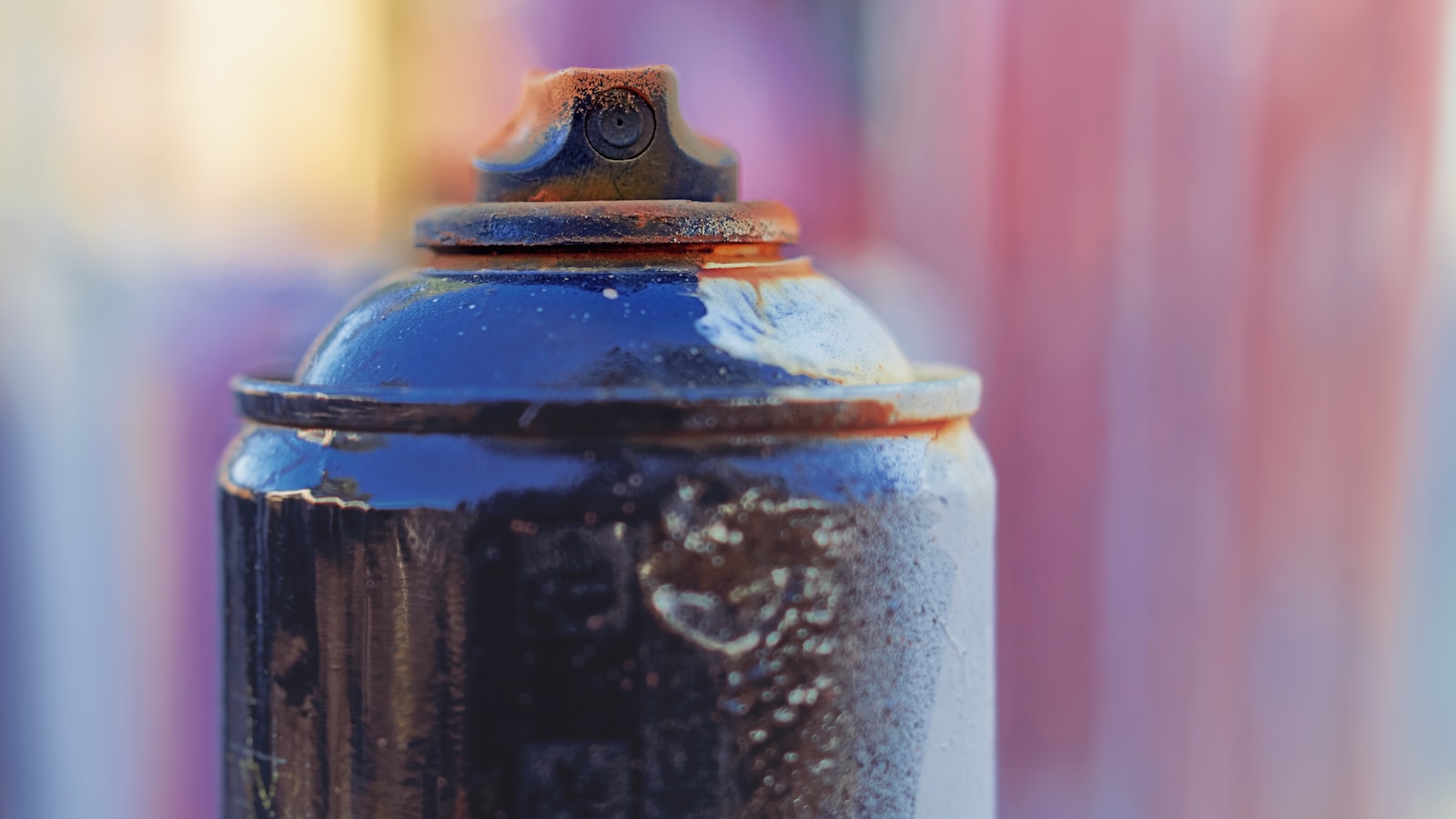
Aerosol cans are one of the most dangerous items to leave in your car, especially in freezing conditions. Pressurized containers of spray paint, de-icer, or air freshener can become unstable when temperatures swing to extremes. Reporting on winter car safety notes that aerosol cans can crack or explode when exposed to severe cold, turning them into projectiles that can damage your dashboard, upholstery, or windows. That risk alone is enough reason to remove and discard any forgotten cans rolling around under your seats.
Additional coverage on cold-weather driving warns that when temperatures drop, Extreme conditions can cause aerosol cans to “become unstable”, potentially breaking or bursting. If a can ruptures while you are driving, it can startle you and obstruct your view with spray or shattered plastic. Even if it fails quietly, leaked chemicals can be toxic to breathe in a confined cabin. For safety and air quality, any old or unnecessary aerosol cans in your car should go straight into appropriate disposal.
2) Expired Medications
Expired medications sitting in your glove box are another item you should throw away immediately. Cold temperatures inside a parked car can fluctuate dramatically, and experts on winter storage warn that Extreme heat or cold can cause medications to lose potency. That means the pills or liquid treatments you are counting on in an emergency may not work as intended after a few nights in subfreezing weather. Ineffective medication is not just wasteful, it can delay proper treatment when you need it most.
Guides on what not to leave in your car during winter echo that storing prescriptions in a vehicle is a bad idea because the interior rarely stays within the controlled temperature range drug labels require. If you keep backup pain relievers, inhalers, or allergy tablets in your center console, check the expiration dates and discard anything that is out of date or has been through a winter season in the car. Then, replace them with fresh supplies that you store inside your home, taking only what you need when you travel.
3) Canned Beverages
Canned beverages, including soda, seltzer, and beer, can turn your car into a sticky disaster when the temperature drops. Water-based liquids expand as they freeze, and multiple cold-weather advisories explain that Water in cans can burst or explode in a freezing car. When that happens, the metal can splits, spraying sugary liquid into seat crevices, door pockets, and electronics. Cleaning that residue out of vents and fabric is difficult and often leaves lingering odors.
Other winter safety guides note that Leaving unopened soda, seltzer or beer cans in your car when temperatures fall below freezing can also be hazardous if a can ruptures while you are driving. A sudden burst can distract you or send sharp aluminum edges flying. Even if the cans only swell without fully bursting, they can leak slowly and corrode cup holders or trunk liners. To avoid damage and mess, remove any forgotten canned drinks and discard those that have already been through a freeze-thaw cycle.
4) Empty Plastic Bottles
Empty plastic water bottles might seem harmless, but they are another item you should clear out of your car. In cold weather, guides on winter car storage warn that Water-based liquids expand when they freeze, which can cause partially filled bottles to crack and leak. Even if the bottle is nearly empty, a thin layer of ice can split brittle plastic, sending water into door pockets, under floor mats, or into electronics. That moisture can lead to mildew, fogged windows, and electrical problems.
Heat is a concern too. Research on plastic safety has found that Research shows plastic bottles exposed to high heat can release billions of microscopic particles into the water inside. If you routinely drink from bottles that have cycled between hot summers and cold winters in your car, you are increasing your exposure to those particles. Clearing out used bottles reduces clutter, prevents leaks, and cuts down on unnecessary plastic contact, especially if you switch to a reusable insulated bottle that you bring in and out of the car with you.
5) Old Cosmetics
Old cosmetics, especially lipstick and cream-based makeup, do not belong in your center console. Winter car safety advice notes that products like lipstick can separate or crack when subjected to cold, which ruins their texture and performance. Once the oils and waxes in these products break down, they can apply unevenly, harbor bacteria, and irritate your skin. That is a poor trade-off for the convenience of having a backup tube in your car.
Beyond performance, there is a hygiene issue. Cosmetics already have limited shelf lives, and fluctuating temperatures accelerate spoilage. If you have lipsticks, foundations, or mascaras that have lived through a season of freezing nights and warm afternoons in your vehicle, treat them as compromised and throw them away. Keeping only a small, current makeup bag that you carry with you, rather than storing extras in the car, protects your skin and cuts down on clutter rolling around under the seats.
6) Nail Polish Bottles
Nail polish bottles are another beauty item that should not live in your car. Cold-weather guidance on what to remove from vehicles explains that polish can thicken, crack or become unusable when exposed to freezing temperatures. The solvents that keep polish smooth and spreadable separate in the cold, leaving you with a clumpy, streaky mess that will not dry properly on your nails. Once that happens, shaking the bottle rarely restores the original formula.
There is also a safety angle. Glass bottles that freeze and thaw repeatedly are more likely to chip or shatter, especially if they are rattling around in a glove box or door pocket. Spilled polish can permanently stain upholstery and release strong fumes in the confined cabin of a compact car like a Honda Civic or Toyota Corolla. If you find old polishes in your vehicle, dispose of them according to local hazardous waste guidelines and store replacements in a stable indoor environment instead.
7) Books or Reading Materials
Books and manuals left in your backseat or trunk may seem harmless, but they are surprisingly vulnerable to car conditions. Winter storage advice notes that paper items can warp or mildew due to temperature swings, especially when cold nights are followed by warmer, humid days. Once pages curl or mold spots appear, the damage is permanent and can spread to other items in the car, including cloth seats and floor mats.
From a safety perspective, stacks of books can also become projectiles in a crash or sudden stop. A heavy hardcover sliding off the rear shelf in a Subaru Outback or Ford Escape can hit passengers with surprising force. Instead of using your car as a mobile library, keep only the owner’s manual and essential documents inside, and bring novels, work binders, and kids’ activity books into the house after each trip. If any are already warped or moldy, recycle or discard them rather than returning them to your shelves.
8) Old Magazines and Newspapers
Old magazines and newspapers are classic clutter that quickly turns your car into a mess. Decluttering experts point out that stacks of paper in tight spaces build up clutter and attract pests, especially when they sit undisturbed for weeks. Rodents and insects can use those piles as nesting material, and once they move into your trunk or under-seat storage, they can chew wiring and insulation, leading to expensive repairs.
There is also a fire risk when large amounts of dry paper accumulate near electronics or in a hot trunk. While a modern vehicle like a Tesla Model 3 has multiple safety systems, any car can experience electrical shorts, and loose paper adds fuel. Tossing outdated magazines and newspapers reduces that hazard and makes it easier to keep the rest of your interior clean. If you like reading in the car while waiting, bring a single issue with you and take it back inside when you are done.
9) Expired Snacks or Food
Expired snacks and forgotten food containers are among the first things you should throw away when cleaning your car. Decluttering guides warn that old edibles spoil and cause odors when they sit too long, and the same principle applies in a closed vehicle. Crumbs in seat crevices, half-eaten granola bars in the console, or takeout boxes in the trunk can quickly start to smell, especially after a few freeze-thaw cycles that break down packaging.
Rotting food also attracts pests. Mice, ants, and even larger animals can be drawn to the scent, and once they find a reliable food source in your car, they are more likely to chew through insulation or wiring. That can trigger warning lights or disable critical systems in models like the Toyota RAV4 or Ford F-150. Regularly emptying your car of snacks, checking expiration dates, and tossing anything stale or suspect protects both your nose and your vehicle’s electrical health.
10) Duplicate Utensils or Tools
Duplicate utensils and outdated tools often accumulate in cars without you noticing. Decluttering experts emphasize that extra forks, spoons, and small gadgets in vehicles create unnecessary space waste, making it harder to find the items you actually need. When your glove box is stuffed with old plastic cutlery and random screwdrivers, you are more likely to misplace important documents or emergency gear.
There is also a safety and noise factor. Loose tools can rattle around, distract you with constant clinking, and become dangerous in a sudden stop. Instead of treating your car like a second junk drawer, keep a single compact multi-tool and one reusable utensil set in a small pouch. Toss broken, rusted, or duplicate items, and return any kitchen tools to your home. That way, your center console in a vehicle like a Hyundai Tucson or Chevrolet Equinox stays organized and functional.
11) Used Sponges or Rags
Used sponges and cleaning rags left in your trunk or door pockets are a hidden hygiene problem. Decluttering lists highlight that old cleaning tools harbor bacteria and grime, especially when they stay damp. In a closed car, that moisture can raise humidity levels, fog windows, and encourage mold growth on upholstery and carpets. Every time you grab that sponge to wipe the dash, you may be spreading more germs than you remove.
From a maintenance standpoint, dirty rags can also scratch interior surfaces if they contain grit or road salt. Instead of storing used sponges in the car, keep a small pack of disposable wipes or a clean microfiber cloth in a sealed bag and rotate it out regularly. Any sponge or rag that smells musty, feels slimy, or has been sitting in your vehicle through a season of temperature swings should be thrown away immediately to protect both your health and your car’s interior.
12) Seasonal Beach Gear
Seasonal beach gear, like sandy towels, flip-flops, and beach toys, should not live in your car year-round. Professional organizers advise that at the end of summer you should declutter after the season, clearing out warm-weather items from everyday spaces. When those items stay in your trunk, they shed sand and moisture, which can grind into carpet fibers and trap dampness that leads to mildew.
Leaving beach chairs or umbrellas in a compact SUV like a Mazda CX-5 also eats up valuable cargo space you might need for groceries or emergency kits in winter. Metal frames can rust in the humid environment of a closed car, staining fabric and weakening joints. At the first sign that beach season is over, wash and dry towels and gear thoroughly, then store them indoors. Anything that is torn, moldy, or permanently sandy should be tossed instead of returned to storage.
13) Old Summer Clothing
Old summer clothing and linens stored in your car are another mildew risk. August decluttering advice stresses that lightweight fabrics can mildew in temperature changes, especially when they sit in closed spaces. In a car, that means forgotten T-shirts, picnic blankets, or spare sheets can develop a musty smell and visible mold spots after repeated cycles of heat and cold.
Once mildew sets in, spores can spread to seats and floor mats, affecting air quality every time you drive. That is particularly concerning if you have children or anyone with allergies riding in a family vehicle like a Chrysler Pacifica or Kia Carnival. Instead of using your trunk as off-season storage, remove extra clothing at the end of each trip. Wash anything that has been in the car for more than a few days, and discard items that already show signs of mold or persistent odor.
14) Outdated Papers or Documents
Outdated papers and documents stuffed into your glove compartment are more than just clutter. Organizing experts warn that old receipts and notes can pose clutter and fire risks when they accumulate. In a vehicle, that pile of paper can obstruct access to essential items like your registration, insurance card, or the emergency instructions for a model such as the Honda Accord or Volkswagen Jetta.
There is also a privacy concern. Receipts and service records often contain partial account numbers, addresses, or phone details that could be useful to identity thieves if your car is broken into. Shredding and discarding outdated documents reduces that risk and keeps your glove box functional. Keep only current registration, insurance, and a concise maintenance log, and move everything else to a secure file at home. Any loose, yellowing, or illegible papers in your car should be thrown away immediately.
Leave a Reply