In a heart-wrenching scenario that has garnered attention online, a 16-year-old boy, identified as “Cautious-Beyond-9656” on Reddit, has taken to the platform to seek advice about his complicated relationship with his mother. The situation raises questions about the boundaries children should have when it comes to their parents’ personal lives, especially when those lives become unnecessarily entangled with their own.
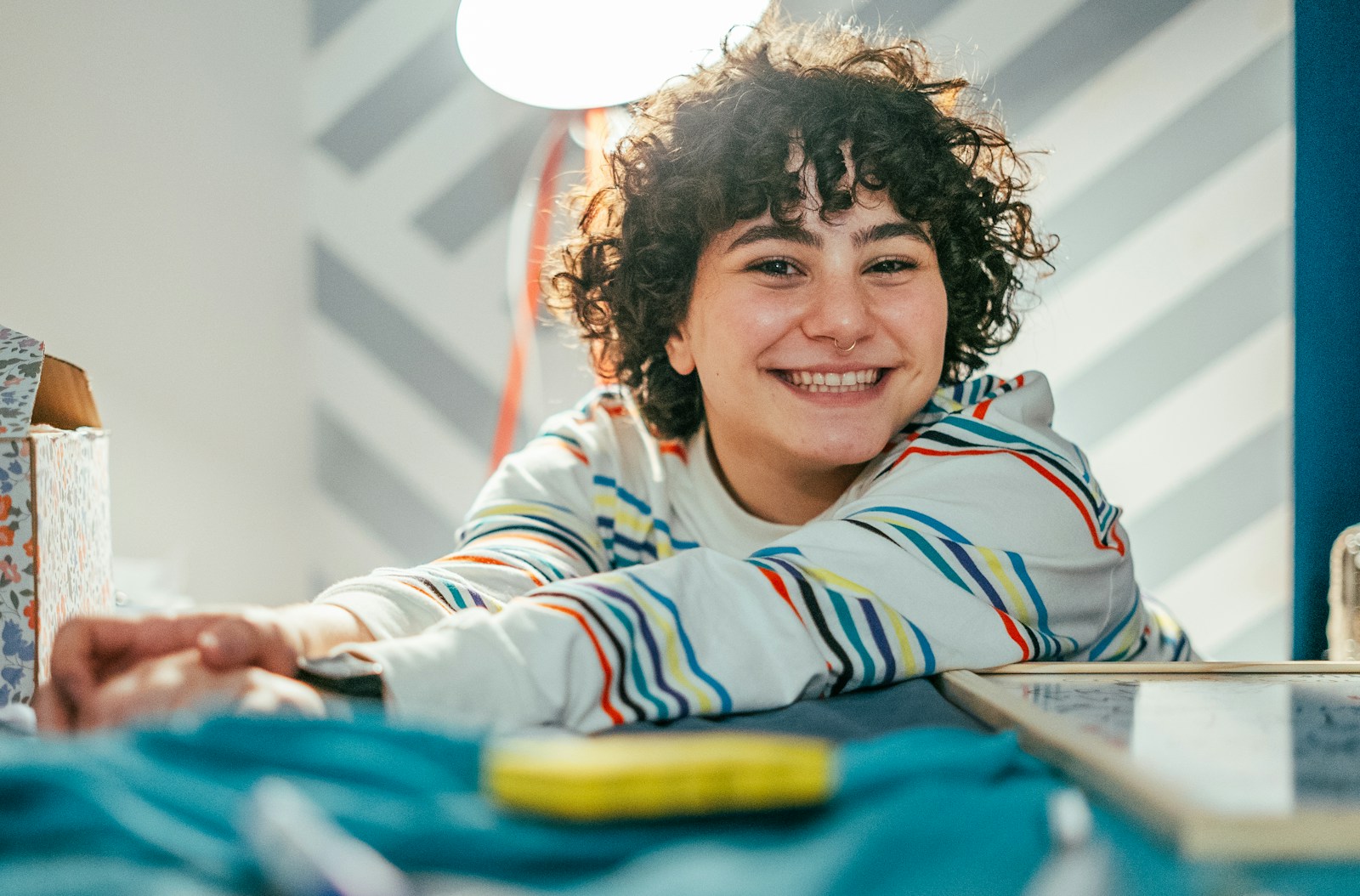
According to the teenager’s account, he has been increasingly uncomfortable with his mother’s reliance on him as a confidante for her marital issues. Cautious-Beyond-9656 shared that his mother, aged 40, has repeatedly vented to him about her wife, who is 39, and their tumultuous interactions. A recent voice message sent to him contained his mother expressing her frustrations, during which she stated he was “sensitive” and “underweight,” a comment rooted in the boy’s own struggles with mental health. This culminated in a situation where he felt trapped and unable to freely express his feelings without fear of further burdening his mother.
He revealed that prior to asking her to stop sharing her personal grievances with him, he had felt a sense of duty to support his mother through her challenges. Many teens in similar positions often find themselves in the role of “emotional caretaker,” which can lead to significant stress and confusion. In this case, the young man’s decision to speak up was met with a defensive reaction from his mother. Instead of acknowledging his discomfort, she suggested he should distance himself from her to avoid being “ruined” by her toxic feelings.
This dramatic turn of events left not just the teenager but their entire relationship in jeopardy. The adolescent noted that their once-close bond has now become strained, making it difficult for him to view her as he did before the incident. The mother’s response to his boundary-setting was marked by an overwhelming feeling of guilt and self-criticism, as evidenced by her texts claiming she was “toxic” and “bad for him.” Underneath this emotional turmoil lies a pressing concern—how do parents recognize when they have crossed a line in their reliance on their children for emotional support?
The conversation between mother and son eventually led to an in-person discussion where she offered an apology, yet the aftermath of the conflict still lingers. The teenager is now left grappling with feelings of confusion, and uncertainty about their relationship’s future. This situation draws attention to the broader implications of emotional dependency in parent-child relationships, particularly as modern family dynamics evolve.
As family structures continue to change, it becomes increasingly important to recognize the roles children play in their parents’ lives. Many parents inadvertently lean on their children during tough times, seeking solace and support that an adult partner or friend might typically provide. However, this dynamic can place undue pressure on young shoulders, potentially compromising their own emotional well-being. The young boy’s experience illustrates a critical balance that must be struck within family dynamics: the need for emotional support should be mutual rather than one-sided.
As the story has unfolded across social media, it has resonated with many individuals who have experienced similar problems in their family dynamics. The comments from readers, though not available in this instance, often reflect a range of opinions about who is at fault in these situations—whether the parent for leaning too heavily on their child, or the child for feeling overwhelmed. Nevertheless, it underscores the necessity of establishing healthy emotional boundaries, so that relationships can thrive rather than falter under the weight of one-sided expectations.
The teenager’s initial plea for a healthier relationship with his mother may serve as a starting point for broader conversations about emotional boundaries. As children navigate their formative years, recognizing their limits becomes essential for their mental health. In maintaining their own sense of self, children must also be allowed to step back when family issues become too burdensome to carry alone.
As the story continues to be discussed online, it stands as a reminder of the complexities inherent in family relationships. It invites readers to share their thoughts and experiences while also reflecting on how we communicate about our struggles without unintentionally placing a heavy burden on those we love most.
More from Willow and Hearth:
Leave a Reply