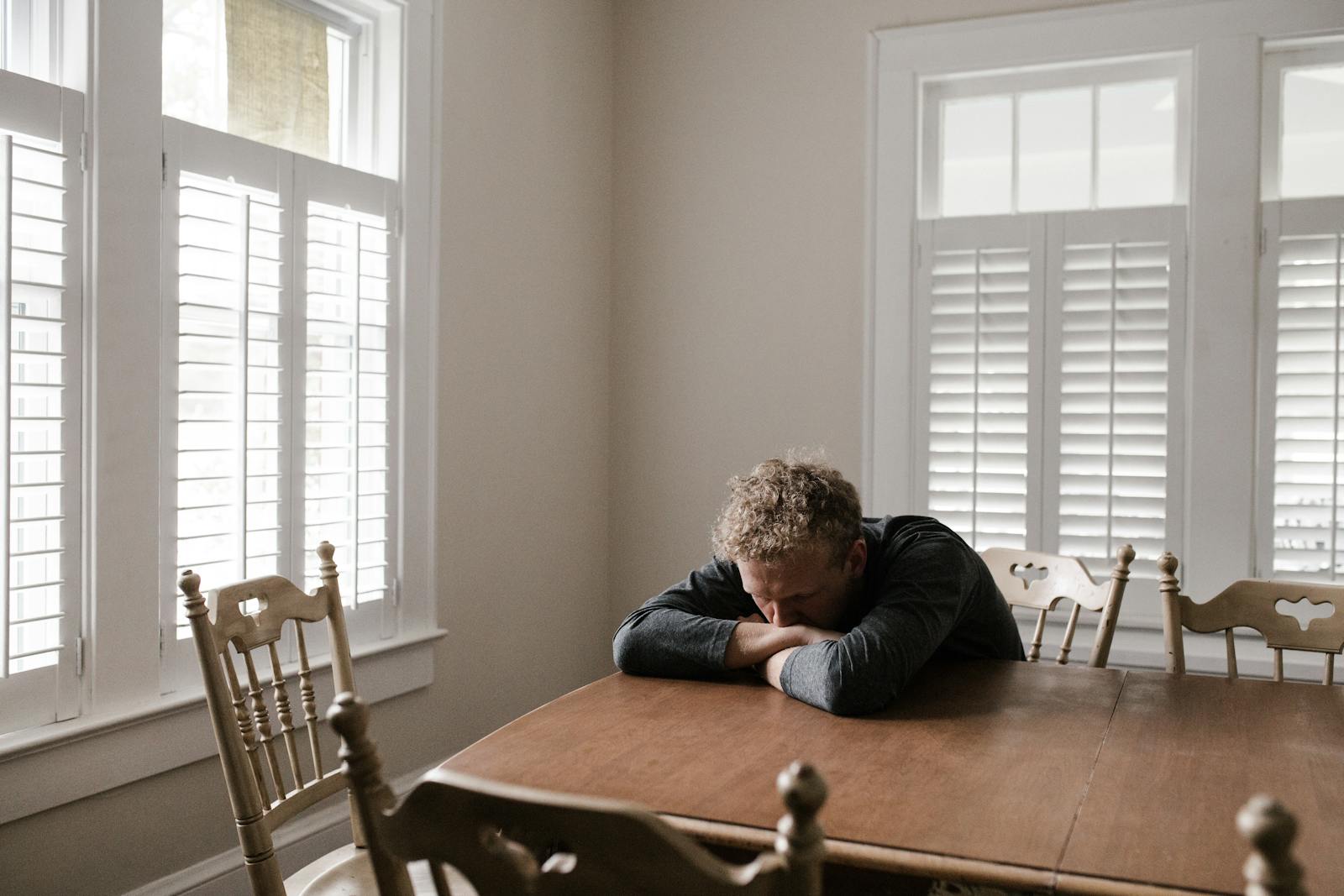
Many people enter relationships eager to share their lives, passions, and responsibilities with a partner. However, one boyfriend recently shared his frustrations on a popular online forum, claiming that he feels like he’s shouldering the entire burden of his relationship with his girlfriend. After a year of being the one to initiate everything from dates to intimacy, he’s feeling drained and questioning whether this relationship is truly fulfilling for him.

The boyfriend, a 32-year-old man, expressed his deep attraction and connection to his 27-year-old girlfriend when they first met. He found her not only beautiful but also intelligent, and he admired her unique qualities. As their relationship progressed, he patiently waited for her to feel ready for intimacy, ultimately believing that they could build something serious together. However, after six months of dating, he began to notice troubling patterns that have continued to surface as the initial excitement of their relationship began to wane.
Despite their time together, he described their communication as minimal when they weren’t physically together. “We barely talk unless I start the conversation,” he said, highlighting his frustration with the emotional distance that has seemingly developed between them. He revealed that they usually see each other twice a week, and even those interactions often feel emotionally lacking.
The crux of his concern lies in the fact that he feels responsible for every aspect of the relationship. He initiates conversations, plans their outings, and even manages all practical aspects, from cooking to driving. “If I don’t take the first step, nothing happens,” he lamented. While he has often taken pride in being the proactive partner, he now finds himself questioning how sustainable this one-sided dynamic can be, especially during his own challenging days when he longs for more reciprocation.
His birthday was a particularly poignant moment. While his girlfriend remembered to send him a text wishing him well, he felt disheartened that she didn’t attempt to make him feel special in any other way. “In previous relationships, my partners would go out of their way to show me they cared,” he reflected. Without such gestures, he feels a sense of imbalance, leading to growing frustrations and doubts about their compatibility.
His reflections took a deeper turn when he admitted that the dynamic sometimes makes him feel more like a caretaker than an equal partner. He attributes this to her emotional inexperience, suggesting that her background—growing up in a reserved family and currently living at home—may contribute to her difficulty in expressing affection and initiative. While he acknowledges that she is not intentionally uncaring, the consistent lack of emotional contribution from her has begun to wear on his feelings.
Despite multiple conversations about these issues—where she appears to actively listen—he has seen little change in her behavior. This continued imbalance has led him to wonder if he is putting in more effort than is reciprocated, and as a result, he feels his feelings for her dwindling.
As many readers can relate, this story highlights not only the importance of shared responsibility within a relationship but also the complexity of navigating emotional dynamics. The question he posed, whether someone so emotionally passive can realistically change, resonates with anyone who has ever found themselves in a similar situation. It brings to light the essential need for engagement and mutual effort to foster a thriving partnership.
In a world where emotional intelligence and communication are increasingly recognized as vital components of relationships, the boyfriend’s experience serves as a stark reminder of the potential challenges that can arise when one partner is more willing to shoulder the load. Whether the result is a deepening sense of connection or a gradual emotional distance, the dynamics of any relationship can shift in unexpected ways, often leaving one person feeling overwhelmed and questioning their commitment.
While it remains to be seen whether these issues can be resolved, it’s clear that relationships thrive on mutual investment. Without it, both partners may find themselves stuck in a cycle of dissatisfaction, raising the question: how can couples break this pattern and ensure both partners feel equally valued and engaged?
More from Willow and Hearth:
Leave a Reply