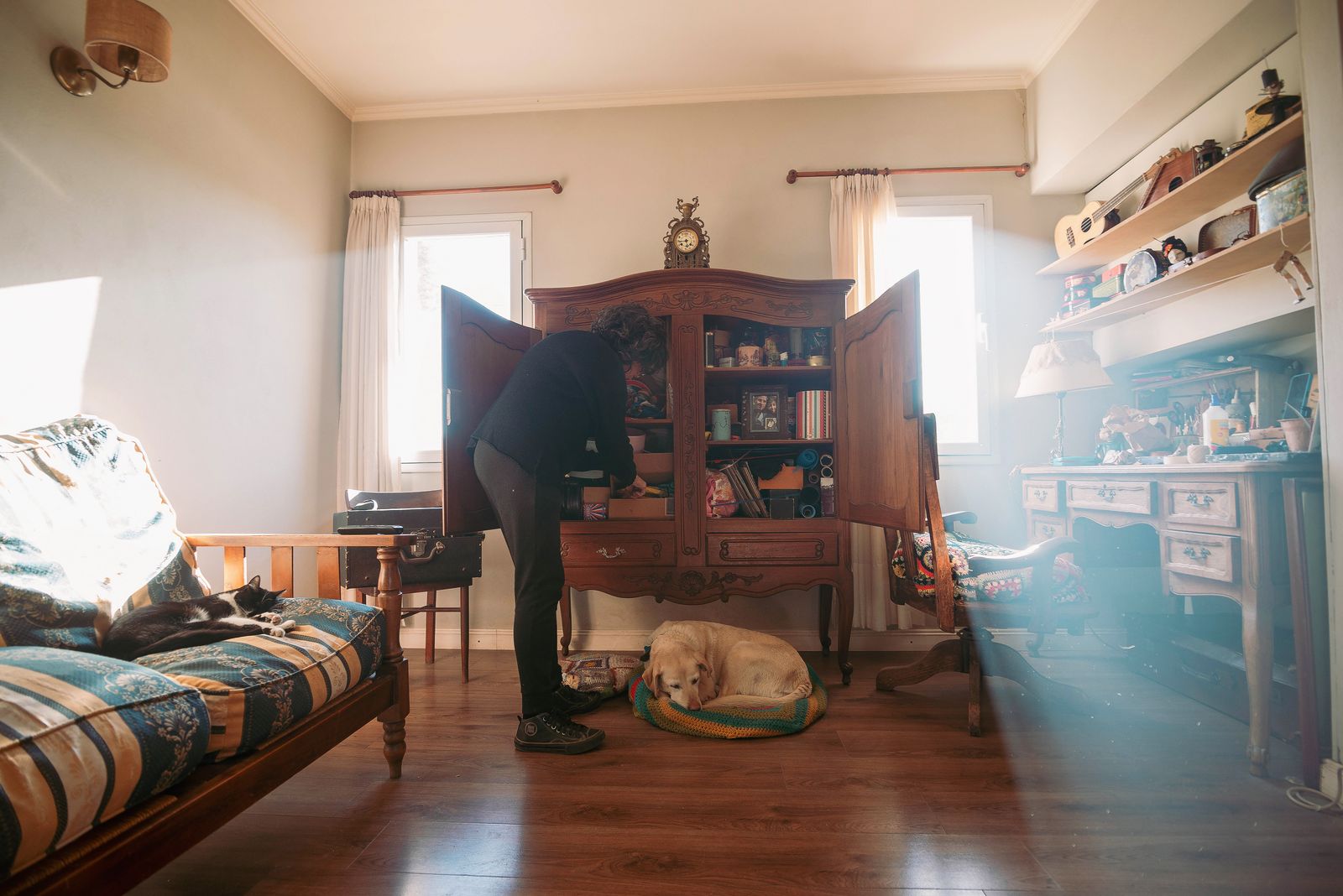
In a clash of values that struck a chord with many, a young adult faced unexpected backlash from their mother after trying to declutter their own belongings. The poster, who took the initiative to give away items they no longer used, found themselves caught in a storm of accusations from their hoarder mother, who claimed the poster was “wasting” the money she had spent on those items, even though most were gifts or purchased by the poster themselves.

The poster had decided it was time to clear out items that had accumulated over the years. This process often comes with emotional baggage and nostalgia, especially when the things being discarded once held significance in one’s life. For this individual, though, the decision felt right. Among the items being given away were things they had never used, as well as duplicates of gifts received over time. What they intended as a simple act of rehoming unused possessions spiraled into an emotional confrontation.
When the poster’s mother discovered what was happening, her reaction was anything but supportive. She expressed anger over what she perceived as an affront to her spending, shouting that her child was wasting money – a bold claim considering the poster’s assertion that much of the stuff had come from their own pocket or as gifts from others. This confrontation didn’t just highlight the stark differences in their perspectives on material belongings; it also served as a painful reminder of their tumultuous past.
The poster noted that their mother had a long history of compulsive buying, often purchasing things excessively and sometimes even taking money from her children. This raised an eyebrow about whose money was truly being “wasted.” The mother’s accusations of wastefulness only deepened the emotional conflict for the poster, who felt the weight of childhood memories resurfacing in an unexpected flood of emotions.
“I can’t wait for when I get to fully set the final boundary and don’t have to deal with her and get my peace,” the poster expressed, revealing an exhaustion that echoed throughout their narrative. The struggle for autonomy was palpable, with childhood memories of suffocating clutter and family dynamics coming back to haunt them. It became clear that this was much more than a disagreement over a few items; it represented a greater struggle for independence and self-identity.
As the conflict unfolded, some readers were drawn to the stark contrast in spending habits between the poster and their mother. While the poster sought to let go of excess and embrace simplicity, their mother’s obsession with accumulation led to a significant clash of values. Comments ranged from empathy for the poster’s position to incredulity over the mother’s reaction. Many readers recognized the painful dynamics often seen in families affected by hoarding, sharing their own stories of similar experiences with family members.
Some readers felt that the mother’s response was a dramatic overreaction, suggesting it reflected deeper issues rather than just a simple disagreement about belongings. “Sounds like she’s projecting her own guilt onto you,” one reader speculated, underscoring the emotional complexity at hand. Others urged the poster to stick to their boundaries and continue on a path to personal peace, recognizing that the emotional toll of keeping their mother’s expectations at bay can be overwhelming.
The emotional weight of the situation lingered, leaving the poster grappling with feelings of sadness and frustration as they navigated the complicated relationship with their mother. They expressed a longing for freedom, a desire to reclaim both physical space and emotional clarity without the burden of guilt that was often thrust upon them. The mother’s reaction triggered not only irritation but also a flood of memories, reminding the poster of why they needed to create distance in the first place.
In the end, this small act of giving away belongings turned into a significant moment of self-assertion and personal reflection. The poster’s journey towards setting boundaries has only just begun, but it is clear that they are determined to navigate through the emotional minefield of their past, unfurling a path to peace, one step at a time.
More from Willow and Hearth:
Leave a Reply