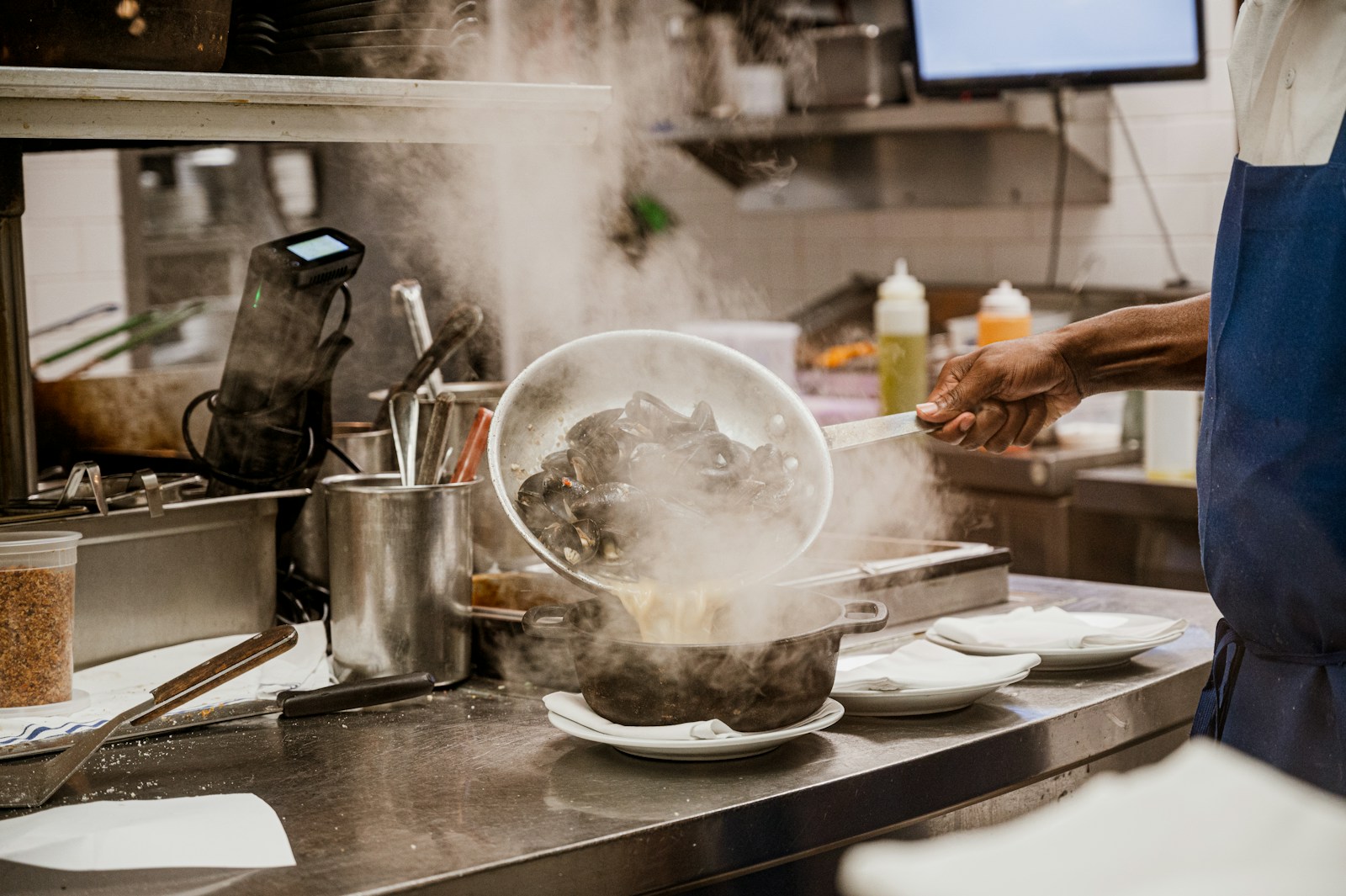
In the world of restaurant kitchens, where the heat is not just from the stoves but from the daily pressures of service, one cook’s experience encapsulated the frustrations many face in the industry. The employee, known as Charming-Bad1869 online, arrived early to ensure everything was set for the day, only to discover a series of blunders that would leave anyone questioning their commitment to the job.
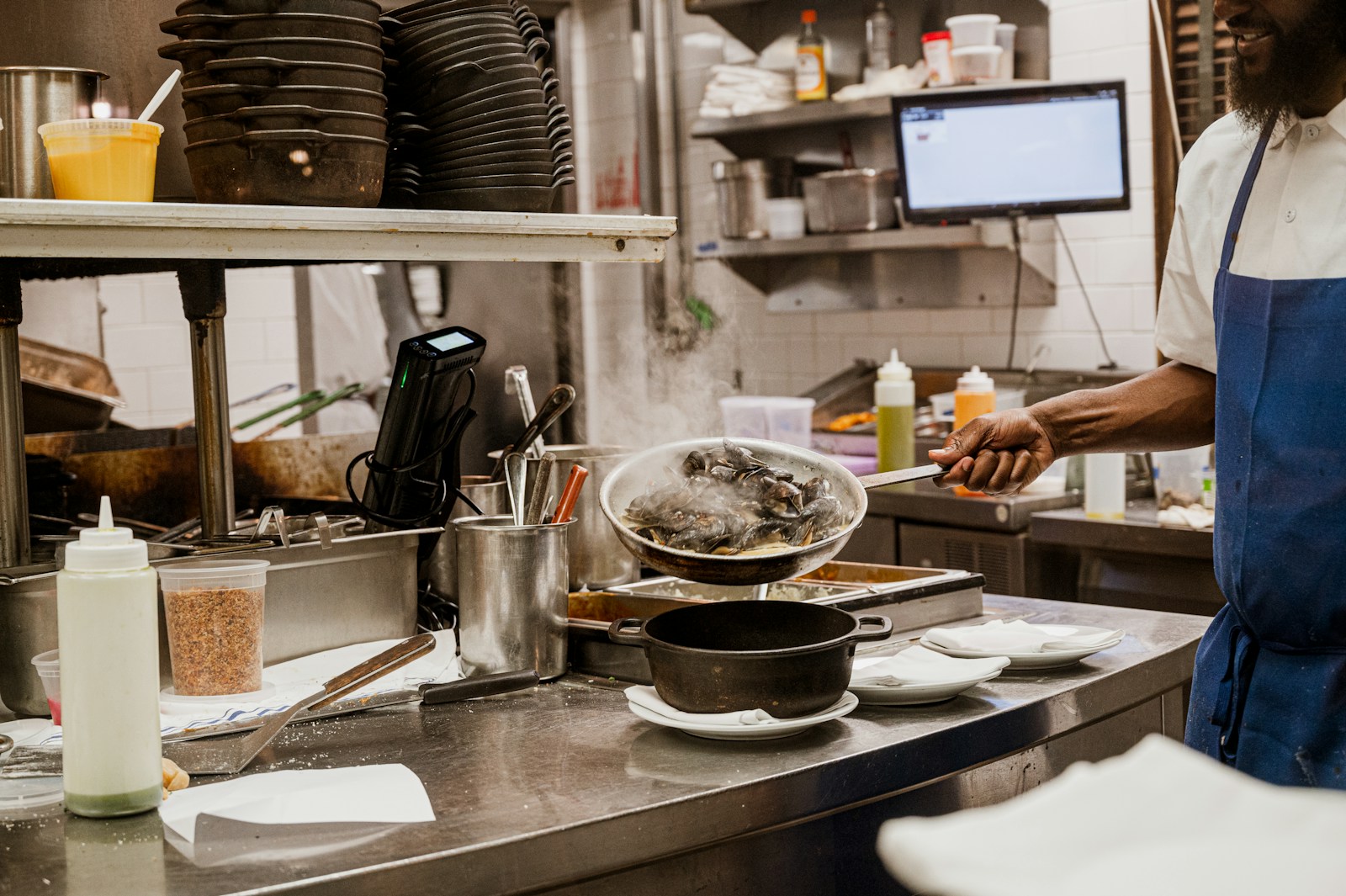
It all began on a typical Saturday morning when the cook clocked in thirty minutes early to get a head start on preparations. This was not an uncommon practice, as many in the fast-paced culinary world often go above and beyond, working off the clock to tackle the mounting tasks before the restaurant opened its doors. But on this occasion, when they arrived at the establishment, they found a scene of disarray. The fryer, critical for the day’s menu, was devoid of oil and, to make matters worse, the kitchen’s steamer wasn’t turned on.
Despite the cook’s diligence, they stumbled upon even bigger problems. The quarter pieces of chicken intended for frying were burning away in the oven, overlooked by a boss who had simply vanished, leaving the kitchen in chaos. “Boss promised oil two days ago,” the employee lamented. “The old oil is unusable. The fryer has already been drained and cleaned. Meaning today, off the clock, by me.” With no oil on hand and burnt chicken in the oven, the frustration began to mount, leading the cook to contemplate simply walking out.
For many, this story strikes a chord with the struggles of working in the restaurant business. Hours can be long, and conditions stressful, especially when management fails to provide basic necessities. The cook’s situation raises questions about workplace culture and the expectations placed on staff, which appear to include coming in early and preparing everything despite the lack of support from management.
As the poster detailed their experience on an online platform, the response from the community was significant. While some offered solidarity, suggesting that it might be time to look for a new job, others brought attention to the more systemic issues. “Where would you GO?” the poster asked rhetorically, highlighting the difficulties faced by many in the industry. “In 30+ years, I can’t think of a single job where I wasn’t mistreated but also made enough money to live off of.” This reflection on job security and economic viability resonated with many readers, who can relate to the struggle of weighing job satisfaction against financial stability.
Readers were also quick to rally around the poster’s frustrations, focusing on the sheer lack of professionalism from the management. One commenter pointed out, “How hard is it to ensure that basic supplies are ready for the opening shift?” Others noted that the failure to provide essential items like fryer oil not only puts additional stress on employees but also jeopardizes the restaurant’s operation and reputation.
As the cook navigated the chaos of burnt chicken, missing supplies, and a ghosting boss, they stood at a critical crossroads. The decision to walk away from the situation could mean immediate relief but also the risk of financial instability. Those following the thread expressed concern for the cook’s future, emphasizing the emotional toll such experiences can take on dedicated employees striving to make a living in the demanding culinary industry.
The narrative not only exposes the underbelly of restaurant management but also highlights the collective frustrations shared among workers. As the story unfolds, it becomes clear that this was more than just a moment of workplace frustration; it serves as a reminder of the challenges that many employees face in delivering quality service despite the obstacles presented by their employers.
More from Willow and Hearth:
Leave a Reply