
In a peculiar neighborhood saga, one homeowner finds themselves grappling with an unwelcome situation as their neighbor turns a section of their shared space into a wood-selling hub. The tenant has watched in frustration as their neighbor stacks countless logs directly against their cedar fence, raising eyebrows and tensions about property boundaries and respect.
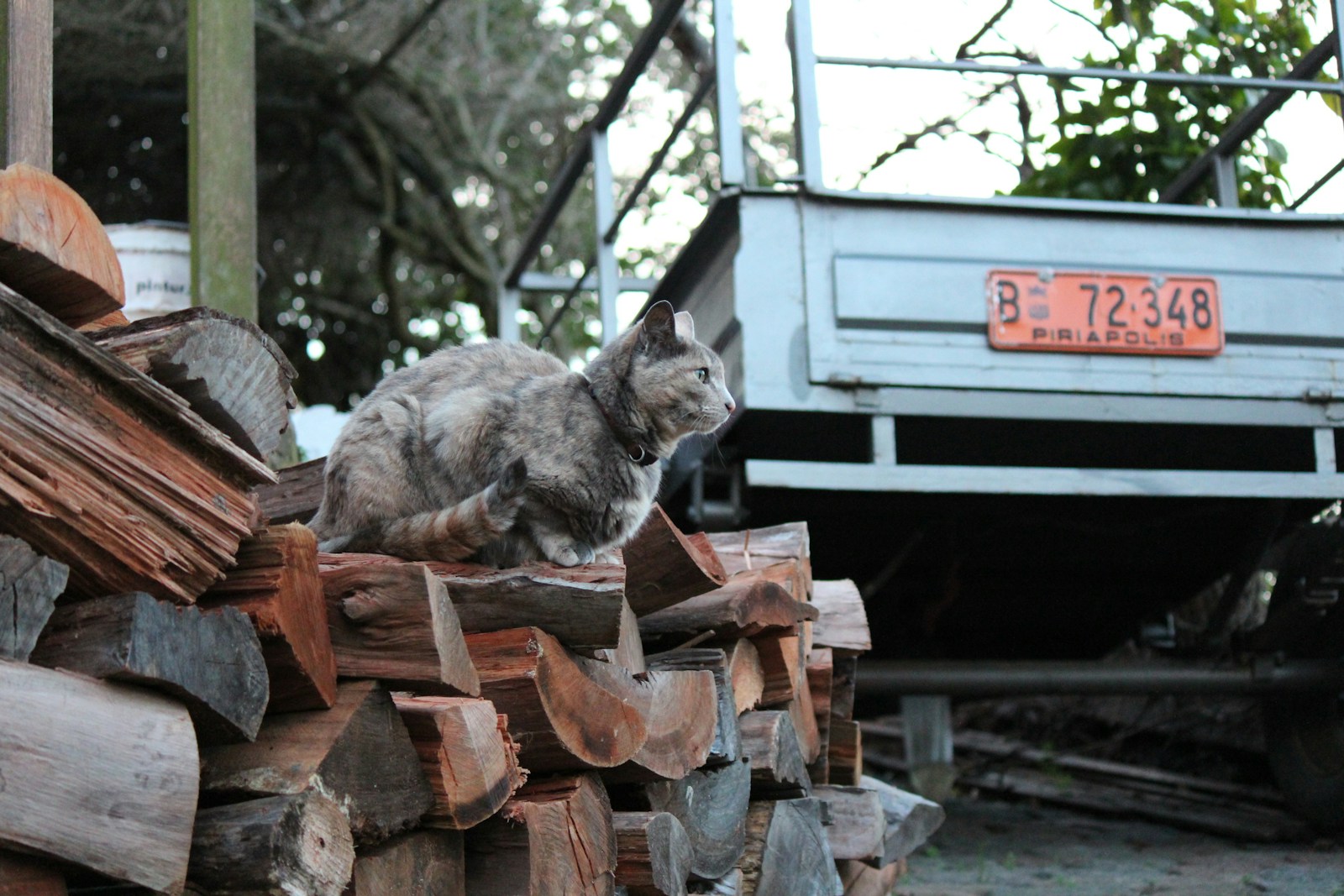
According to the homeowner, the neighbor has taken to having trees delivered and spends hours cutting and processing wood just a few feet from their property line. This ongoing activity, which might evoke thoughts of a cozy cabin in the woods for some, has instead become a source of irritation due to the sheer volume of logs accumulating against the homeowner’s fence. The tenant described their fence as a 40-foot wide by 6-foot high section of cedar, now obscured by these makeshift stacks of wood, prompting them to wonder how to address the situation without confronting the neighbor directly.
The homeowner’s frustration is palpable as they mention, “Super fun when he does it 5 feet behind our property line, but that’s another issue.” This statement hints at a deeper undercurrent of annoyance that bubbles beneath the surface of this seemingly simple conflict. Each day brings the possibility of more logs being piled up against their fence, and the tenant’s growing concern suggests a looming confrontation they would rather avoid.
While the initial post did not reveal how longtime the wood-selling operation has been in effect, it is clear that the neighbor’s disregard for property lines has sparked thoughts of more than just wood. The homeowner’s wish to avoid direct communication raises questions about how disputes often fester in close living quarters, where small grievances can escalate into larger issues. The interaction—or lack thereof—between these two homeowners hints at a potential unraveling of neighborly relations, setting the stage for a conflict that feels all too common in suburban living.
A number of commenters picked up on the tension, offering their own takes on the situation. While many seemed to sympathize with the homeowner’s plight, others questioned the rationale behind avoiding direct communication. Without any constructive dialogue, they cautioned that the situation could potentially worsen, leading to greater animosity.
Others focused on the practicalities of the arrangement, suggesting the homeowner might want to investigate local property laws regarding boundary disputes and the rights associated with shared spaces. The idea of consulting a legal expert or local authorities to address the situation emerged as a potential path forward, with several readers pointing out that some jurisdictions may regulate what can be done near property lines and how structures or items can encroach upon one’s property.
In an age where digital communication often supersedes face-to-face interactions, some commenters pondered if a simple note or letter might serve as the homeowner’s non-confrontational way of addressing their issue. Despite the discomfort that might come from direct discourse, there could be merit in easing tensions through written words rather than escalating them with passive-aggressive behavior.
As the homeowner continues to grapple with the growing stacks of logs, the situation remains unresolved, lingering like an unwelcome shadow over their property. The question remains: how will they navigate their frustrations while holding onto their peace of mind, all the while attempting to keep the lines of communication closed with the wood-selling neighbor? With the logs continuing to pile up, only time will reveal whether conflict or resolution lies ahead.
More from Willow and Hearth:
Leave a Reply