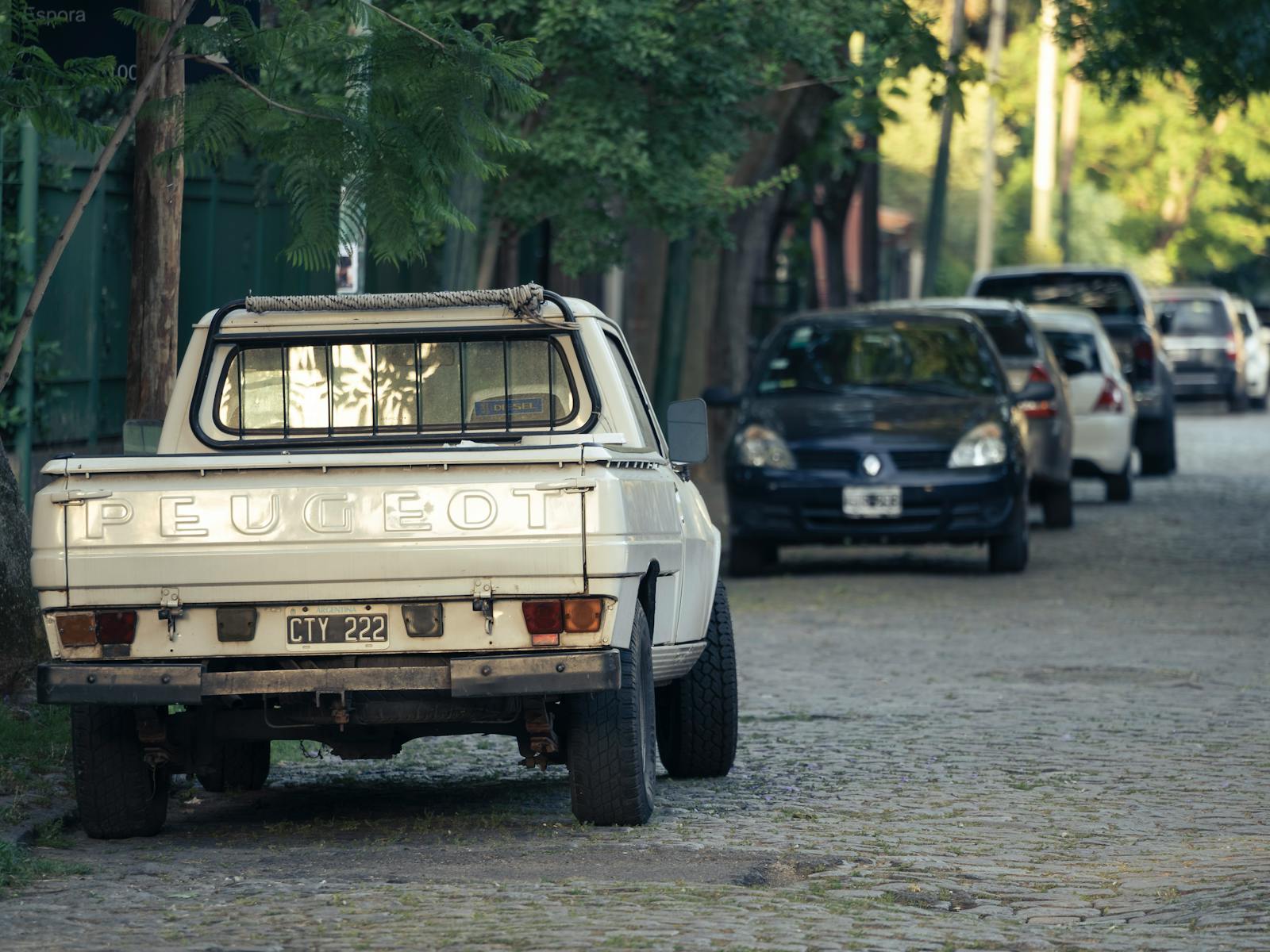
A Pennsylvania tenant recently faced a daunting predicament after a dead tree branch fell on their pickup truck, resulting in significant financial loss. The fallout became even more complicated when the landlord disclosed that they had no insurance to cover the damage, leaving the tenant grappling with mounting expenses and canceled jobs.

In a striking sequence of events, a tree branch came crashing down on the tenant’s vehicle, totaling the pickup truck and damaging an array of essential tools, including a 28-foot extension ladder, a kayak, a raised planter, and a hose reel. The estimated repair costs for the truck alone reached an astonishing $26,050, while replacing it would be around $15,000. Fortunately, the tenant’s insurance would cover $10,500 of the loss, but it became clear that this would still leave them in a precarious financial position.
As the tenant began to piece together their next steps, they learned that the landlord had received a warning from a code officer the previous year about the dead tree, identifying it as a hazard. This revelation added another layer of frustration to an already complex situation. The tenant was encouraged to file a claim against the landlord’s insurance for their losses, only to be met with the disheartening response that the landlord had no insurance on the property and could not afford to cover the damages.
With the tenant dependent on the truck and ladder for their handyman business, the consequences of the incident quickly escalated. Without reliable transportation and tools, the tenant was forced to cancel jobs and turn down new opportunities, compounding the stress of an already challenging situation. As they navigated this unexpected turmoil, the tenant was left wondering about their next steps and how to address the losses they had suffered.
While the exact reactions from readers were not detailed, the weight of the tenant’s circumstances certainly resonated. Many commenters appeared to empathize with their plight, focusing on the financial implications of the landlord’s negligence. The community user responses likely reflected a mix of sympathy for the tenant’s situation and frustration towards the landlord’s lack of responsibility.
As the tenant continues to face the fallout from the fallen branch, the story highlights the often precarious nature of renting and the challenges that come with relying on property owners to maintain safe living conditions. The inability of the landlord to provide assistance after a clear hazard had been identified raises questions about accountability and the responsibilities of landlords.
The tenant’s journey to recover their losses remains uncertain, leaving an unresolved tension in the air. With jobs canceled and financial burdens piling up, their story serves as an unsettling reminder of the potential risks involved in rental agreements, particularly when landlords fall short of their obligations.
More from Willow and Hearth:
Leave a Reply