
In the world of real estate, it’s often the unexpected drama with neighbors that makes the experience memorable, but for one homeowner, it became intolerable. With two upcoming closings on a new home and the sale of his current house, he couldn’t wait to escape a neighbor who ranted for thirty solid minutes about a tree he believed was ruining his life. The kicker? The tree in question wasn’t even on the homeowner’s property—it was the neighbor’s own tree, dripping sap over his driveway.
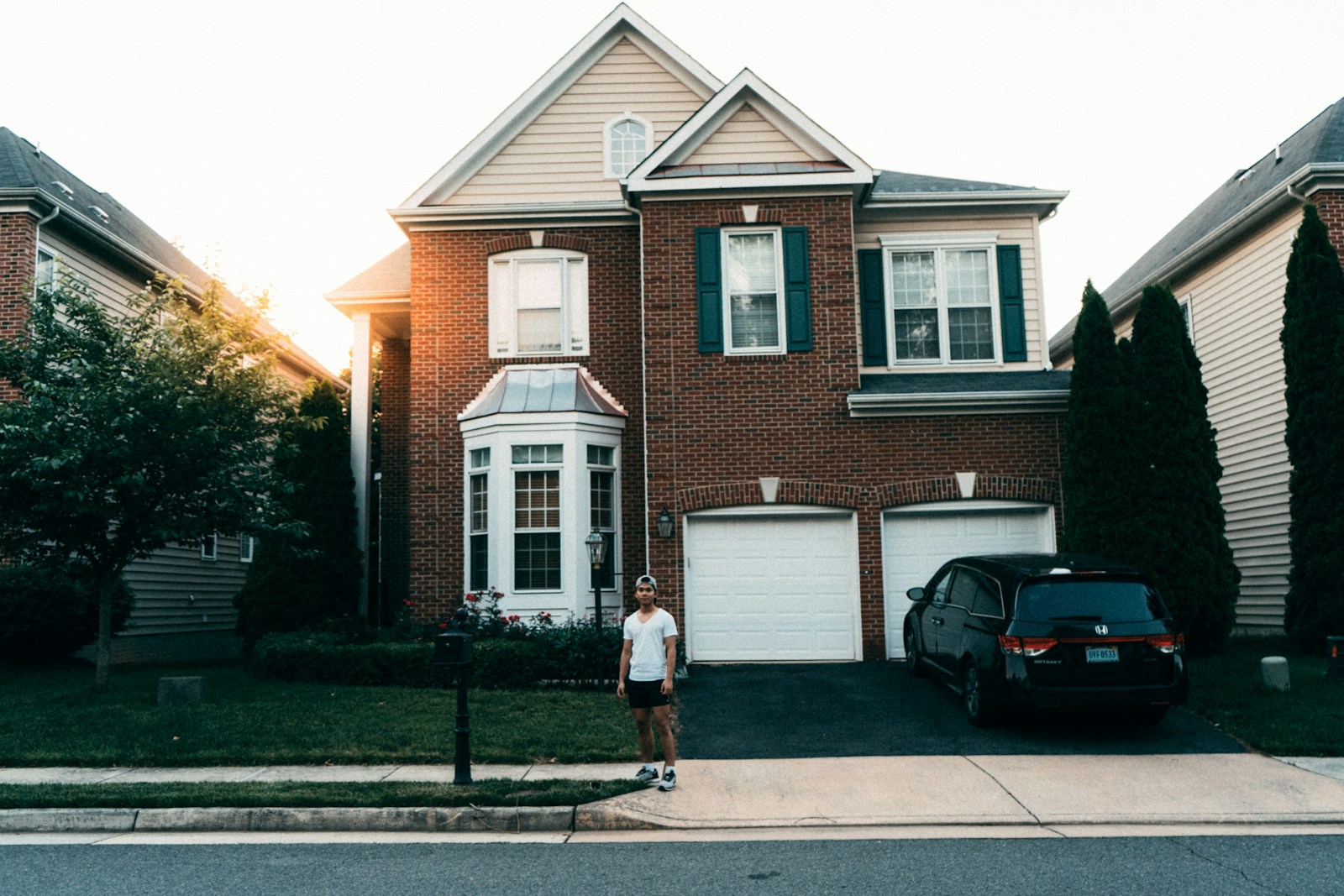
As the poster sat outside enjoying what should have been a tranquil moment, he inadvertently became the target of his neighbor’s frustrations. The neighbor, apparently irate, launched into a tirade filled with complaints about the mess the sap was making. For half an hour, he yelled about how the homeowner wasn’t taking care of the situation, completely missing the point that it was his responsibility. “Dude, that one over your driveway is YOUR tree—not my tree, not my problem,” the homeowner thought while listening to the barrage of insults.
Throughout the outburst, the homeowner noted that while swearing might be a common form of expression, he would never stoop to yelling expletives in an open space where his neighbors could hear him. The contrast in behavior highlighted a significant aspect of neighborly relations: consideration, or in this case, the glaring lack of it. It was clear that not only was the homeowner eager to leave the contentious atmosphere, but he was also frustrated by the audacity of his neighbor.
As the rant continued, the homeowner’s patience dwindled, leading him to mentally embrace his upcoming move. Venting his frustration, he remarked, “Hey C, go pound sand!” This line, intended as a zinger of sorts, captured his feelings about the intolerable situation. He was ready to put this chapter behind him as he anticipated a new start in a different location.
Reactions to this neighborhood drama echoed the frustrations many have experienced with troublesome neighbors. Some readers zeroed in on the absurdity of the neighbor blaming someone else for his own tree’s mess, while others commented on the neighbor’s lack of respect for boundaries and personal space. The common sentiment was a blend of disbelief and a sense of camaraderie with the homeowner, who was clearly at his wit’s end.
In a lighter vein, some commenters suggested creative ways the homeowner could have responded during the thirty-minute rant. Ideas ranged from offering to help chop down the tree to playfully suggesting that the neighbor should consider a professional cleaner to deal with the sap drips. These suggestions reflected the community’s desire to find humor in what was otherwise a maddening situation.
The homeowner’s story underscores how an expected neighborhood experience can quickly unravel into a chaotic exchange. While the sap-dripping tree may seem minor at first glance, it symbolizes the deeper issues of communication and respect that often exist within community living. It’s not just about the tree but also about the way neighbors interact and address grievances—or in this case, how some choose to vent petulantly in the most public way possible.
With a move on the horizon, the homeowner is looking forward to a fresh start, free from the rants of a neighbor whose behavior made him feel like he was living in a scene straight out of a sitcom. However, the memory of that thirty-minute outburst will likely linger as a reminder of one of the more absurd chapters of his time living there.
More from Willow and Hearth:
Leave a Reply