Your home is probably hiding more clutter than you realize, and some of it is not just annoying, it is unsafe, unsanitary, or quietly costing you money. Using expert-backed lists of things you should throw away now, things you will never regret tossing, and items that need special handling, you can finally decide what deserves space and what needs to go today.
1) The Forgotten Food and Tools in Your Kitchen — “10 things in your kitchen you should throw away now” that are unsafe, unsanitary, or useless
The forgotten food and tools in your kitchen are prime candidates for the trash because they often become unsafe, unsanitary, or useless long before you notice. Guidance on things in your kitchen you should throw away now highlights how neglected items, from crusted spatulas to mystery jars in the back of the fridge, can harbor bacteria or mold. When a tool is cracked, rusted, or impossible to clean, it stops being a helper and starts being a health risk.
Letting these forgotten items linger also wastes space and makes everyday cooking harder. You spend more time hunting for the one working whisk or a safe pan, and you may even avoid cooking because the clutter feels overwhelming. Clearing out what no longer works or is no longer safe immediately improves food safety and makes your kitchen more efficient, which ultimately saves time and reduces stress at every meal.
2) Expired Pantry Staples — food among the “10 things in your kitchen you should throw away now” once they’re no longer safe to eat
Expired pantry staples, from old flour to stale spices, belong on the list of things you should throw away now once they are no longer safe to eat. The same expert advice that flags unsafe kitchen clutter also points out that pantry foods can quietly go bad, turning rancid or losing potency long before you remember buying them. When a package is past its date, bulging, leaking, or smells off, it is no longer a bargain, it is a potential source of foodborne illness.
Keeping expired food also undermines your cooking, since stale baking powder or flat spices can ruin entire recipes. Tossing these items today protects your health and your grocery budget, because it forces you to see what you actually use and what you buy out of habit. Once you clear the dead weight, you can restock only what you truly need, label it clearly, and rotate items so they are used while still fresh and safe.
3) Cracked, Chipped, and Warped Kitchen Gear — damaged tools on the list of “10 things in your kitchen you should throw away now”
Cracked, chipped, and warped kitchen gear is another category that experts say should be discarded as soon as you notice the damage. The same reporting that identifies unsafe kitchen clutter stresses that once a surface is cracked or chipped, it becomes almost impossible to sanitize properly, allowing bacteria to hide in tiny crevices. Warped pans and lids can also heat unevenly, which affects cooking times and can leave food undercooked in spots.
Plastic tools are especially risky when they are scratched or warped, since grooves can trap residue and some plastics may degrade under high heat. Even if a favorite mug or plate has sentimental value, a chip on the rim can cut your lip or shed tiny fragments into food. Replacing these items with intact, easy to clean gear is not about perfection, it is about basic safety and making sure every meal you cook is as safe as it is satisfying.
4) Everyday Clutter You’re Afraid to Toss — “things you’ll never regret throwing away” that only take up space
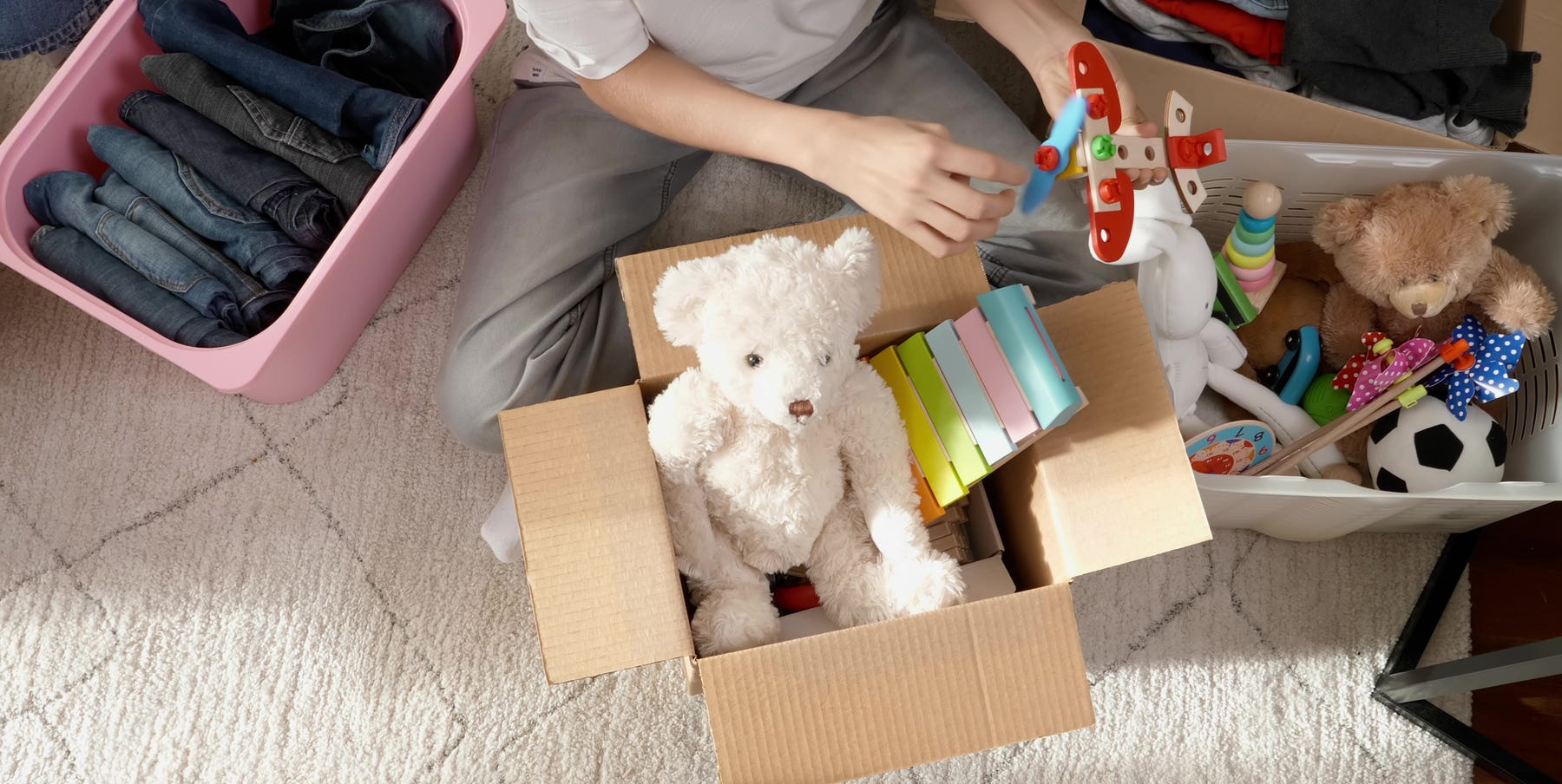
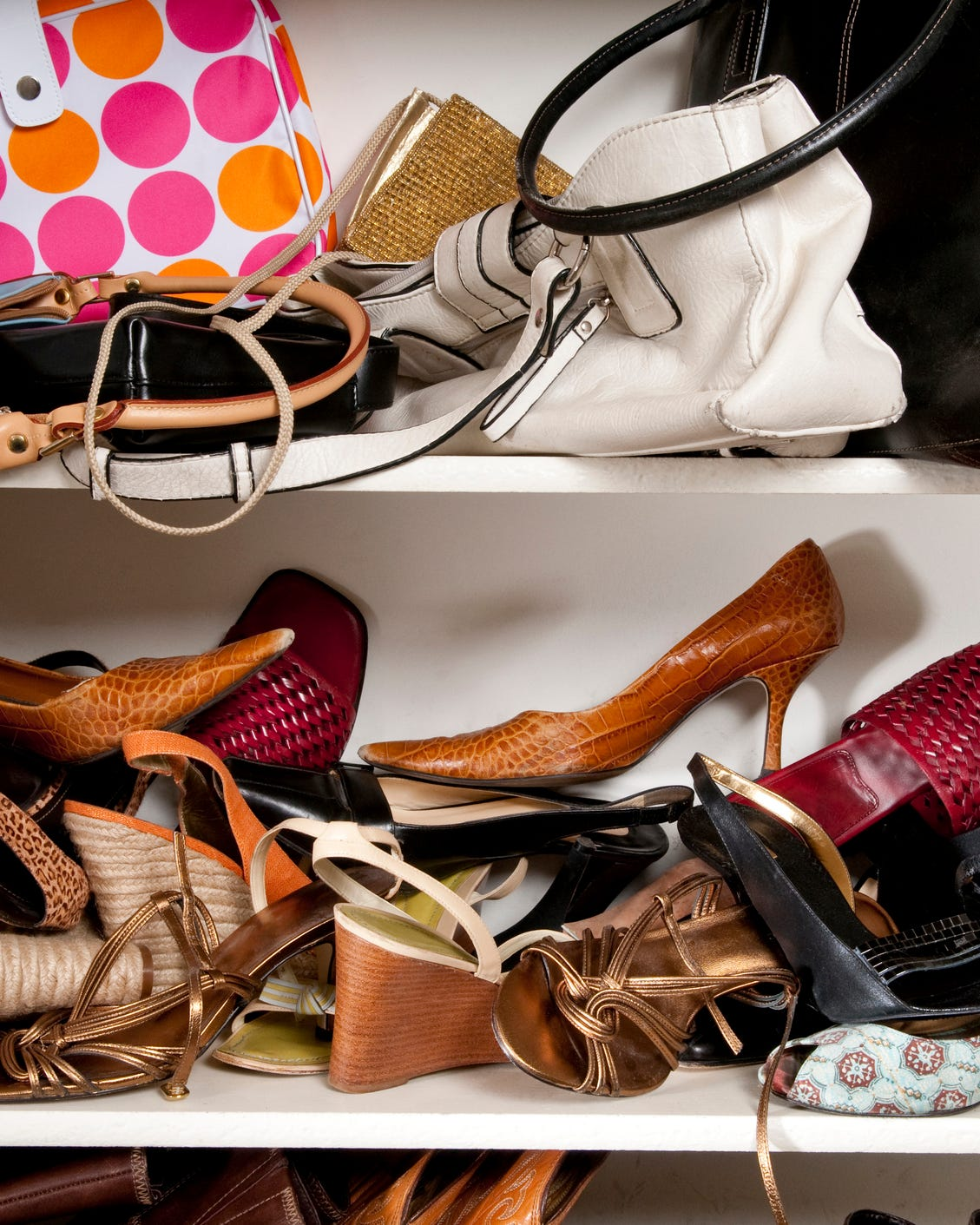
Everyday clutter you are afraid to toss, like extra shopping bags, duplicate gadgets, or stacks of old magazines, often falls into the category of things you will never regret throwing away. Expert lists of things you’ll never regret throwing away emphasize that these items are commonly hoarded but rarely used. They take up drawers, shelves, and mental energy without offering real value, and you probably will not miss them once they are gone.
Letting this clutter linger has real consequences, because it makes cleaning harder and hides the items you actually rely on. When every surface is covered, you are more likely to lose bills, misplace keys, or buy duplicates of things you already own. Tossing the obvious excess today, from broken pens to extra tote bags, gives you immediate breathing room and makes it easier to maintain order in the long term.
5) Dusty Sentimental Junk — keepsakes that still count as “things you’ll never regret throwing away”
Dusty sentimental junk, such as boxes of generic greeting cards, souvenirs you do not remember buying, or gifts you never liked, can still qualify as things you will never regret throwing away. The same reporting that highlights clutter you can safely discard notes that some emotionally charged items are kept out of guilt rather than genuine attachment. If a keepsake lives in a box you never open or makes you feel weighed down instead of happy, it is not truly serving you.
Holding on to every memento also dilutes the meaning of the items that really matter, like a handwritten letter or a single favorite photo. By letting go of the filler, you create space to display or properly store the pieces that genuinely tell your story. The emotional payoff is significant, because you shift from being a passive archivist of everything to an active curator of what you truly value.
6) Moldy, Broken, and Forgotten Basement Storage — “12 things you need to toss from your basement ASAP”
Moldy, broken, and forgotten basement storage is a serious problem, which is why experts outline 12 things you need to toss from your basement ASAP. Items stored in damp, dark spaces are especially vulnerable to mold, rust, and pest damage, turning once useful belongings into health hazards. Cardboard boxes can collapse, upholstered furniture can harbor spores, and old electronics can leak or become unsafe to plug in.
Ignoring this clutter does more than crowd your storage, it can affect indoor air quality and even attract rodents or insects. When you clear out what is moldy or broken, you reduce those risks and reclaim valuable square footage. That space can then be used for clearly labeled plastic bins, seasonal gear you actually use, or simply left open so you can access utilities and perform maintenance without tripping over junk.
7) Ruined Boxes and Damaged Gear — unsafe belongings among the “12 things you need to toss from your basement ASAP”
Ruined boxes and damaged gear in the basement are another category of belongings that experts say should be tossed quickly because they are no longer safe. The same guidance that lists basement items to remove points out that once boxes are crushed, water stained, or chewed, their contents are likely compromised. Sports equipment with broken straps, rusted tools, or cracked plastic bins can fail when you need them, creating safety hazards instead of providing help.
Keeping these ruined items also makes it harder to see what is still in good condition, which can lead you to buy replacements unnecessarily. By sorting through and discarding what is clearly damaged, you protect yourself from injury and free up room for gear that actually works. It also gives you a chance to repackage anything worth saving into sturdier containers that can withstand basement conditions.
8) Hazardous Household Waste — “things you should never throw in the trash” that need special disposal
Hazardous household waste, including items like batteries, paint, and certain cleaners, belongs in a special disposal stream, not your kitchen trash can. Expert lists of things you should never throw in the trash explain that these products can leach chemicals into landfills or release fumes if handled improperly. Some electronics and light bulbs also contain materials that require recycling programs or designated drop-off sites.
Putting these items in the regular garbage can harm sanitation workers and contribute to environmental damage in your community. Instead, you are urged to check local guidelines for hazardous waste collection days or permanent facilities that accept these materials. Taking the extra step to dispose of them correctly keeps your home safer, protects groundwater and air quality, and ensures that any recyclable components are handled responsibly.
9) Old License Plates — why you should “never throw your license plates out in the trash” and how to dispose of them
Old license plates might look like harmless metal, but experts warn that you should never throw your license plates out in the trash. Guidance on how to dispose of old license plates explains that plates can still be linked to your vehicle and identity if they fall into the wrong hands. Someone who finds them in the garbage could potentially misuse the numbers, creating headaches for you if they are involved in a crime or traffic violation.
Instead of tossing plates with your household waste, you are advised to follow your state’s specific rules, which may include returning them to the Department of Motor Vehicles, mailing them in, or recycling them after defacing the numbers. Taking a few minutes to handle plates properly protects your privacy and helps prevent fraud. It also keeps sharp metal out of regular trash bags, reducing the risk of injury during collection and processing.
10) The Stuff You’re Tempted to Pitch — “12 things you should NEVER throw away, pro organizers warn” you should keep instead of tossing
The stuff you are tempted to pitch, such as certain documents, hardware, or original packaging, sometimes belongs in the small category of things you should never throw away. Professional organizers outline 12 things you should NEVER throw away because they are more valuable than they look. Items like warranties, instruction manuals, and specific receipts can be essential for returns, repairs, or insurance claims.
Other deceptively important objects include spare buttons for high quality clothing, extra hardware for furniture, and original boxes for electronics that may need to be shipped or resold. Tossing these in a decluttering frenzy can cost you money and time later when you need proof of purchase or a missing part. The key is to store them in a clearly labeled, contained way so they are accessible without turning into clutter.
11) Important Papers and Priceless Keepsakes — “valuable items organizers always save” you should never toss by mistake
Important papers and priceless keepsakes fall squarely into the category of valuable items organizers always save, even when they are trying to help you declutter aggressively. The same expert advice that warns against tossing certain things highlights documents like birth certificates, Social Security cards, passports, and property records as non negotiable. These papers are difficult and time consuming to replace, and you may need them unexpectedly for legal, financial, or travel purposes.
Similarly, truly irreplaceable keepsakes, such as original family photos, heirloom jewelry, or a single meaningful letter, deserve careful storage rather than the donation bin. Losing them in a rushed clean out can cause lasting regret that far outweighs any short term sense of tidiness. Setting aside a secure box or file for these items ensures they are protected while you clear out the less important clutter around them.
12) Your Toss-or-Keep Checklist — using lists of “things you should throw away now,” “things you’ll never regret throwing away,” “things you need to toss from your basement ASAP,” “things you should never throw in the trash,” “why you should never throw your license plates out in the trash,” and “12 things you should NEVER throw away, pro organizers warn” to decide what really needs to go today
Your toss or keep checklist starts by separating what is unsafe, what is useless, what needs special handling, and what is genuinely valuable. Expert lists of Things, Your Kitchen You Should Throw Away Now, Eating Well, things you will never regret throwing away, basement items to toss, and things you should never throw in the trash all point to the same idea, you need different rules for different categories. Unsafe or unsanitary items go immediately, everyday clutter and dusty sentimental junk follow, and hazardous waste is routed to proper facilities.
At the same time, guidance on why you should never throw your license plates out in the trash and the list of valuable items organizers always save remind you that some objects must be protected, not purged. Using these distinctions, you can walk room by room and ask four questions, is it safe, is it useful, does it require special disposal, and is it truly valuable. Anything that fails all four tests is something you are keeping that you need to throw away today.
More from Willow and Hearth:
Leave a Reply