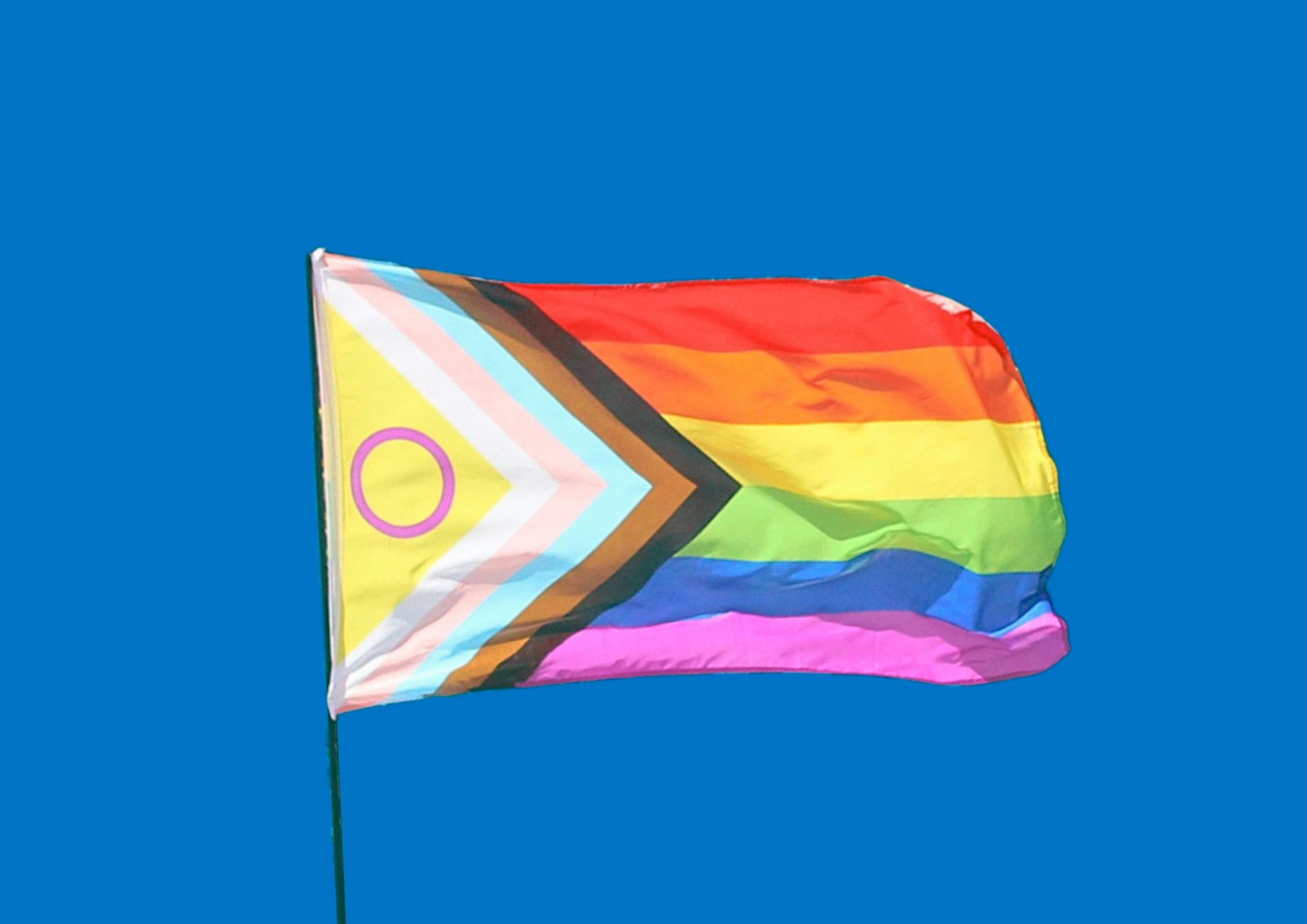
The Idaho state legislature’s displeasure with Boise city hall’s display of the Pride flag reached a crucial turning point when they enacted a law preventing cities from flying any flags not sanctioned by the state. Their decision forced Boise to find a creative workaround, resulting in the city wrapping the poles at city hall with the bright colors of the Pride flag instead. This act of defiance sparked conversation about how communities navigate governmental restrictions while expressing support for their LGBTQ+ residents.
The backdrop of this situation began when Boise city hall proudly raised the Pride flag in a show of solidarity and support for the LGBTQ+ community. However, the state legislature quickly took notice of this display, expressing outrage at what they viewed as an overstep by the city. In response, lawmakers attempted to pass a law aimed explicitly at curbing such displays. Though earlier efforts to restrict the flags failed, legislators were determined to create an “iron-clad” law that would strictly limit the flags that cities could fly. The final legislation stated that only the United States flag, the Idaho state flag, official city flags, and POW flags could be displayed by city entities.
With the new law enacted, Boise was compelled to take down the Pride flag. However, rather than concede defeat, city officials transformed their disappointment into a vibrant act of creativity. They wrapped all the flag poles in the unmistakable hues of the Pride flag—red, orange, yellow, green, blue, and purple—sending a clear message of support while adhering to the legal confines set by the state.
This colorful act of defiance painted the city hall in a powerful display that resonated with many residents who felt that their city was still standing firm in its support of the LGBTQ+ community, despite the restrictions imposed by the state. The symbolic gesture not only upheld the spirit of the Pride movement but also demonstrated a commitment to inclusivity in a challenging political environment.
As the city made waves with its response, reactions erupted from the community and beyond. Many supporters praised the city for its ingenuity, with some commenters celebrating the decision as a bold statement against the state’s apparent intolerance. Others expressed concern, wondering how far the state might go in enforcing the new law and what implications it might hold for other forms of expression.
Some residents took to social media to share their feelings, highlighting both pride in their city’s actions and fear of potential repercussions from state officials. Many felt that Boise’s vibrant display was not just a colorful treatment of flag poles but also a necessary assertion of identity and community spirit in the face of adversity. The tension between local governments and state mandates sparked discussions around the broader implications of the law, particularly regarding freedom of expression.
Despite the colorful display at city hall, some citizens were left questioning the future of Boise’s support for various communities. Would lawmakers introduce further restrictions? Could the vibrant colors of the Pride flag continue to flutter in Boise as a message of inclusion, or would there be further attempts to stifle that expression? The community’s reaction showcased a deep sense of pride and resilience, as well as apprehension about what changes might lie ahead.
As Boise continues to navigate the complexities of state versus local governance, the act of wrapping the flag poles in Pride colors stands out as a memorable expression of community solidarity. It beckons the question—how will Boise’s spirited response endure amid potential challenges from those who would see such expressions muted?
Original discussion: https://www.reddit.com/r/MaliciousCompliance/comments/1sf60oc/state_said_no_cities_can_fly_nonapproved_flags/
“`
Leave a Reply