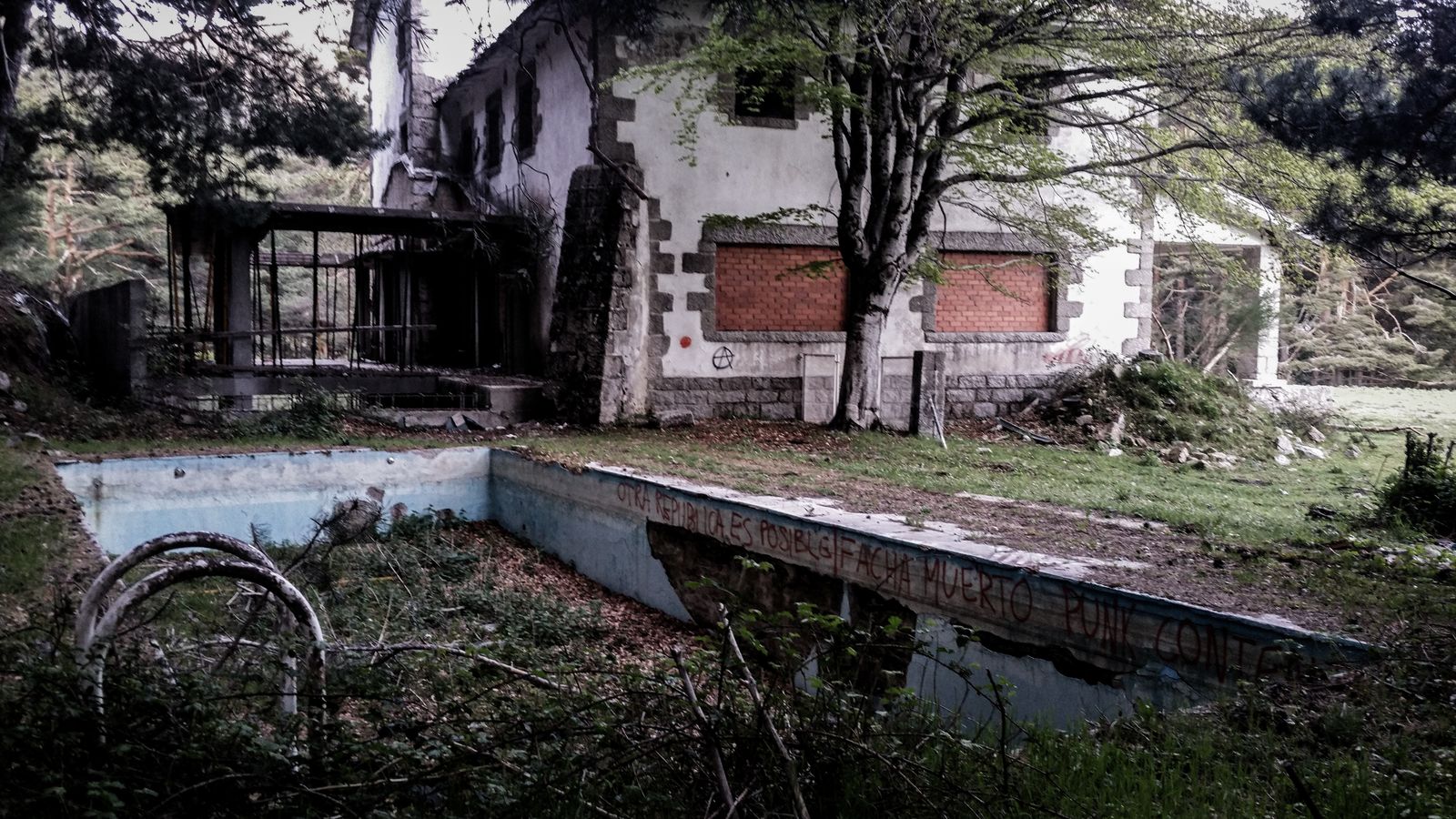
A Tennessee homeowner’s routine backyard maintenance turned into a costly and distressing discovery when they unearthed a buried swimming pool that had been improperly filled years earlier. After purchasing their home in the summer of 2023, the homeowner noticed alarming signs: water pooling in the yard, soft, muddy ground, and even a portion of the pool wall beginning to emerge from the soil. This unsettling revelation has left them grappling with a range of legal and financial dilemmas.
The trouble began when the homeowner, after noticing the landscape’s strange behavior, took to Google Earth and discovered that the pool had been filled in back in mid-2018. According to city records, this fill-in occurred three owners prior to their purchase, raising immediate concerns about transparency and disclosure during the sales process. With no permits filed for the demolition of the pool, the homeowner became increasingly convinced that the prior owners had illegally covered up the structure.
As the situation continued to deteriorate, the homeowner sought advice from various professionals. A real estate lawyer informed them that, though pursuing legal action against the previous owners might be a possibility, it would likely be expensive and complicated. They would have to prove fraud, a difficult task without clear documentation of the previous owners’ misdeeds. On the other hand, hiring a pool demolition company to rectify the situation would cost an eye-watering $18,500 to $35,000, a financial burden that many first-time homeowners would find daunting.
The homeowner felt like they were caught in a legal and financial quagmire, forced to consider whether to pursue a lawsuit or to invest significant funds into resolving the issue directly. As they weighed their options, they began to ponder the consequences of either decision. If they opted for legal action, they would confront the risk of hefty legal fees and an uncertain outcome, while paying for the demolition and re-grading meant accepting a significant hit to their finances. With the pool wall now partially exposed and their backyard resembling a swamp rather than a serene outdoor space, the urgency of the situation only added to the pressure.
In terms of community reaction, many resonated with the homeowner’s plight. Discussions centered around the unexpected financial strain of repairing the neglected property and the ethics of real estate transactions that don’t disclose crucial information. Some comments expressed empathy for the homeowner, recognizing that the situation reflects a more extensive issue within the housing market, where buyers often find themselves unaware of significant problems hidden beneath the surface.
Others took a practical stance, suggesting the homeowner consider the long-term implications of each choice. They contemplated whether the cost of legal proceedings would be justified compared to the price tag of a proper demolition. A few users even raised questions about the possibility of seeking compensation from the owners who had filled in the pool—if they could be found—and how that might play into the homeowner’s strategy moving forward.
Ultimately, the homeowner is left alone with mounting questions: Should they pursue the previous owners or the original violators from 2018? What happens if the current financial burden outweighs the potential benefits of legal action? These unanswered questions loom large over their decision-making process as they strive to restore their backyard.
With much at stake and no clear resolution in sight, the homeowner stands at a crossroads. The prospect of restoring their yard to its intended glory hangs in the balance, teetering between the burden of financial costs and the uncertainties of legal action.
Original discussion: https://www.reddit.com/r/legaladvice/comments/1uk9714/buried_pool_in_backyard_discovered_25_years_after/
Leave a Reply