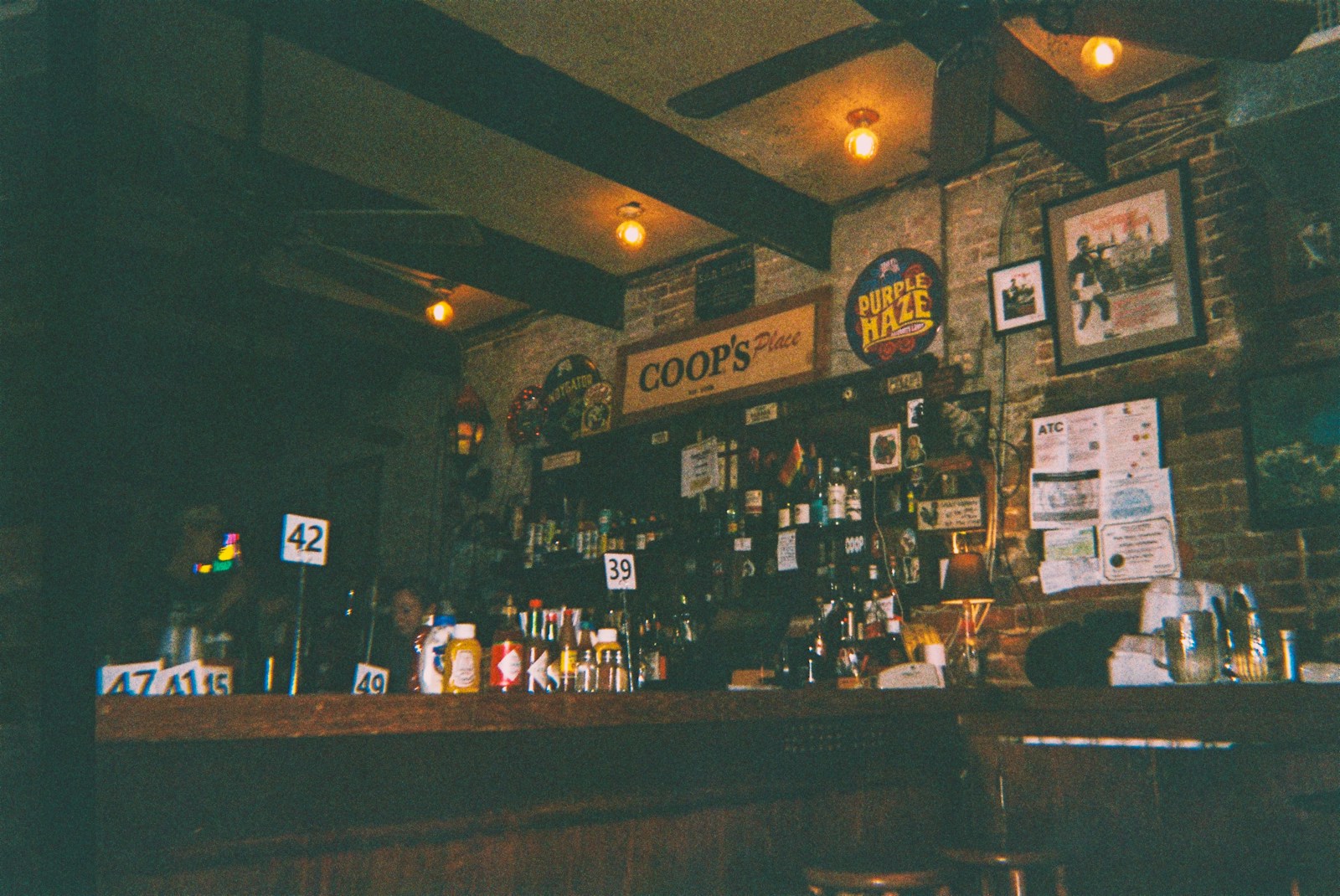
In a quirky and unsettling conflict in Wisconsin, a local bar has found itself at the center of a legal dispute after using a customer’s Facebook photo and name in promotional materials. The incident highlights the complexities of digital rights and personal privacy in an age where AI-generated imagery can easily cross personal boundaries.
The drama began when the customer, who has chosen to remain anonymous, lightly debated a local bar for its posts featuring AI-generated food creations in a popular community Facebook group. Expressing disdain for these posts, the customer began to “sad react” them, never imagining that their protest would lead to a series of bizarre and distressing events.
Initially, the bar responded to the sad reactions with a caricature representing the customer, albeit without any reference to their actual name or likeness. However, the situation escalated dramatically when the bar published an advertisement featuring the customer’s Facebook profile photo, mocking what they claimed the customer had “missed” at their establishment. This post was seen by approximately 30,000 members of the local Facebook community.
Upon discovering the post, the customer reported it to Facebook. However, in an unfortunate twist, the platform automatically hid the advertisement. Unaware of the implications, the customer clicked “Undo,” inadvertently re-following the bar’s page. This seemingly minor error opened the floodgates for the bar, which subsequently unleashed two additional posts using the customer’s full name and further AI-generated depictions of them.
The customer’s reaction was one of dismay and violation, prompting them to take action by sending a cease and desist letter via certified mail. They expressed their belief that the bar’s actions were in direct violation of Wisconsin Statute 995.59, which safeguards individuals from unauthorized use of their likeness for commercial purposes. Yet, the bar’s response was less than satisfactory; they promised to cease communication if the customer would simply stop reacting to their posts. However, this did nothing to resolve the ongoing issue of the posts featuring the customer’s likeness, which continued to circulate online.
As the situation unfolded, the customer expressed that they felt exposed and disturbed by how their digital protest had spiraled into a public spectacle, using their likeness as the punchline in the bar’s marketing strategy. “It’s unsettling to think that this all started with a sad face on Facebook,” they commented, reflecting on how quickly an innocent critique could lead to feeling vulnerable and violated.
Commenters reacting to the story were quick to focus on the implications of using someone’s image without consent. Many shared similar experiences of feeling uncomfortable with digital expressions that cross personal lines. Some emphasized that the bar’s actions could reflect poorly on them in the long run, potentially driving customers away. Others were struck by the bizarre nature of the entire affair, suggesting that it could easily serve as inspiration for a comedy sketch.
Despite the growing attention around the issue, the customer remained resolute in wanting the posts removed. The ongoing tension between their rights as a private individual and the bar’s marketing tactics raises questions about the ethical use of AI in branding. It is a strange intersection of humor, legality, and personal privacy that many online were eager to discuss.
The customer’s predicament serves as a striking reminder of the complexities that come with modern social media interactions and the ways personal information can be leveraged for humor, often without consent. As this story continues to unfold, the customer awaits a resolution that feels just and respects their right to privacy in an increasingly digital world.
Original discussion: https://www.reddit.com/r/legaladvice/comments/1ujw6f6/feud_with_local_bar_over_ai_usage_resulted_in_bar/
Leave a Reply