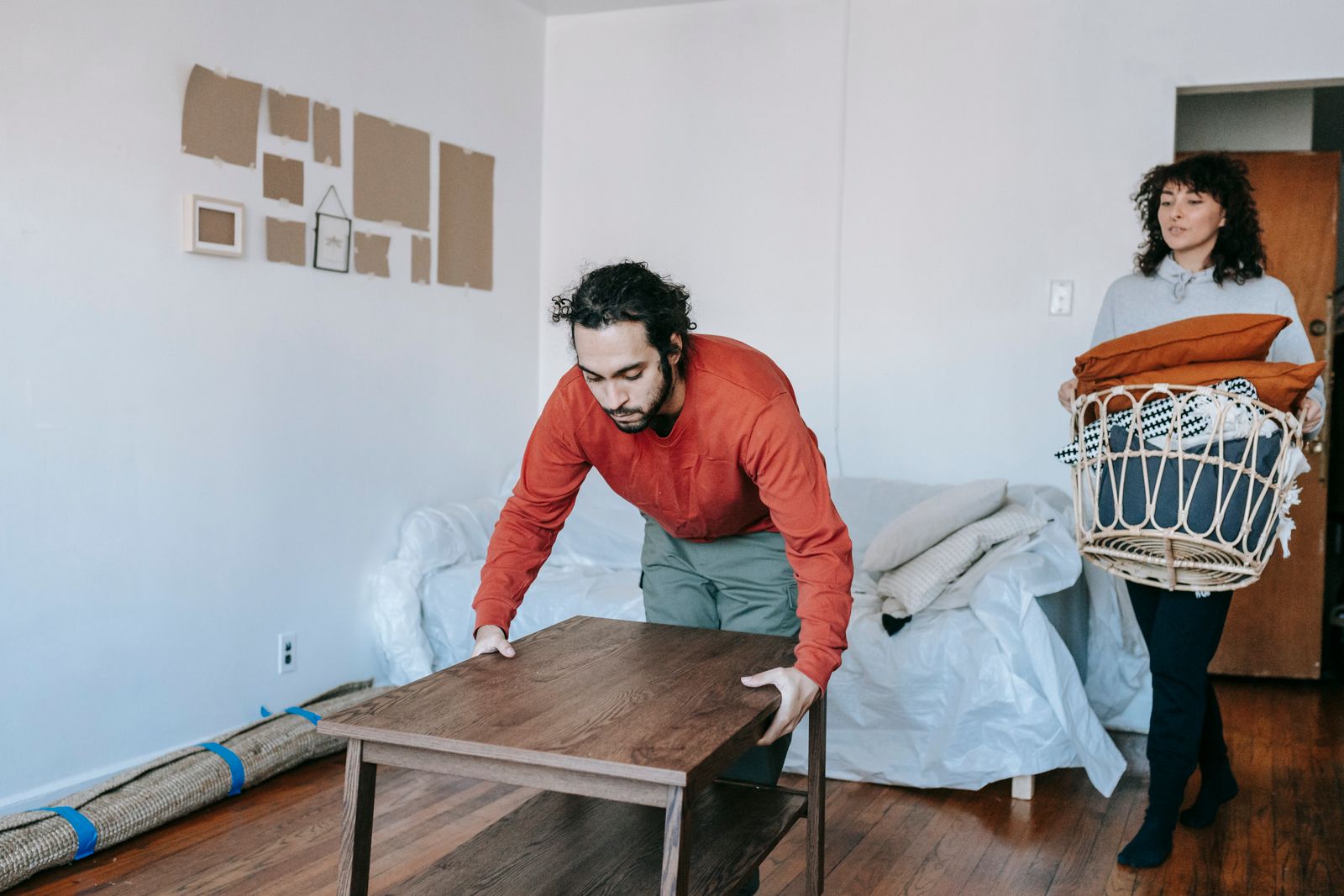
A Florida woman returned home after a long day only to discover her dining room table had vanished, taken by her roommates who now seem to treat the common area as their own personal domain. The table, a free find on Facebook Marketplace, was more than just furniture to her—it was a symbol of her rights as a resident in the shared apartment. The situation escalated quickly, leading to frustrations over ownership and a possible violation of trust among housemates.
The ordeal unfolded on a typical day when the tenant left the apartment between 7:15 a.m. and 8 p.m. When she returned, the dining room table, which she had arranged to pick up with a friend’s help, was gone. She had substantial proof of ownership, including conversations with the seller and documentation that indicated she had paid for gas to retrieve the table. Photos also showed the table in the apartment, only to disappear in her absence.
Compounding the mystery, the tenant began to suspect one particular roommate. This roommate had been keeping her upstairs room locked, and it seemed likely the table was stashed away inside. To add to the intrigue, the suspected roommate was waiting for keys to her new place, which wouldn’t be available until July 1st. The tenant’s investigation led her to seek assistance from the local sheriff’s office later that evening, where an officer documented her statement. However, the officer’s conclusion suggested that the common area made individual ownership difficult to establish. “Would you like to prosecute?” he asked, but the tenant remained unsure of how to proceed.
Attempts to communicate with her roommates yielded little fruit; the suspected table thief replied to none of her inquiries. Another roommate, also moving in with the suspected culprit, had blocked the tenant on social media, further isolating her in a situation that was already fraught with tension. This individual claimed ignorance about the table’s whereabouts but had her own issues, from not understanding utility billing to seemingly avoiding obligations in the household.
As tension escalated, the tenant began exploring her options. She pondered whether to push for a formal police report or request a civil standby, but she’d rather not escalate matters to small claims court or legal action. In fact, involving the landlord loomed as a possibility, though it risked additional conflict in an already strained living situation. The goal remained clear: she simply wanted her dining table back.
As the situation unfolded, some readers were drawn into the legal implications of the roommate conflict. They noted that shared living arrangements often blur the lines of ownership, especially in communal spaces. The difficulty of proving ownership without formal agreements or receipts caused many to question what could be done without resorting to legal action. Others highlighted the apparent lack of respect among the roommates, emphasizing that stealing from one another over something as seemingly innocuous as a dining table could set the stage for deeper disputes down the line.
Ultimately, the tenant found herself caught in a web of mistrust and miscommunication. With the roommates acting as if communal living justified their decisions to take her property, the situation underscored how quickly neighborly relationships can disintegrate without clear boundaries. As her efforts to retrieve her table became increasingly complicated, she faced a choice between pursuing her claim and attempting to maintain peace in her home.
Original discussion: https://www.reddit.com/r/legaladvice/comments/1ujqroo/roommates_removed_my_dining_room_table_free_fb/
Leave a Reply