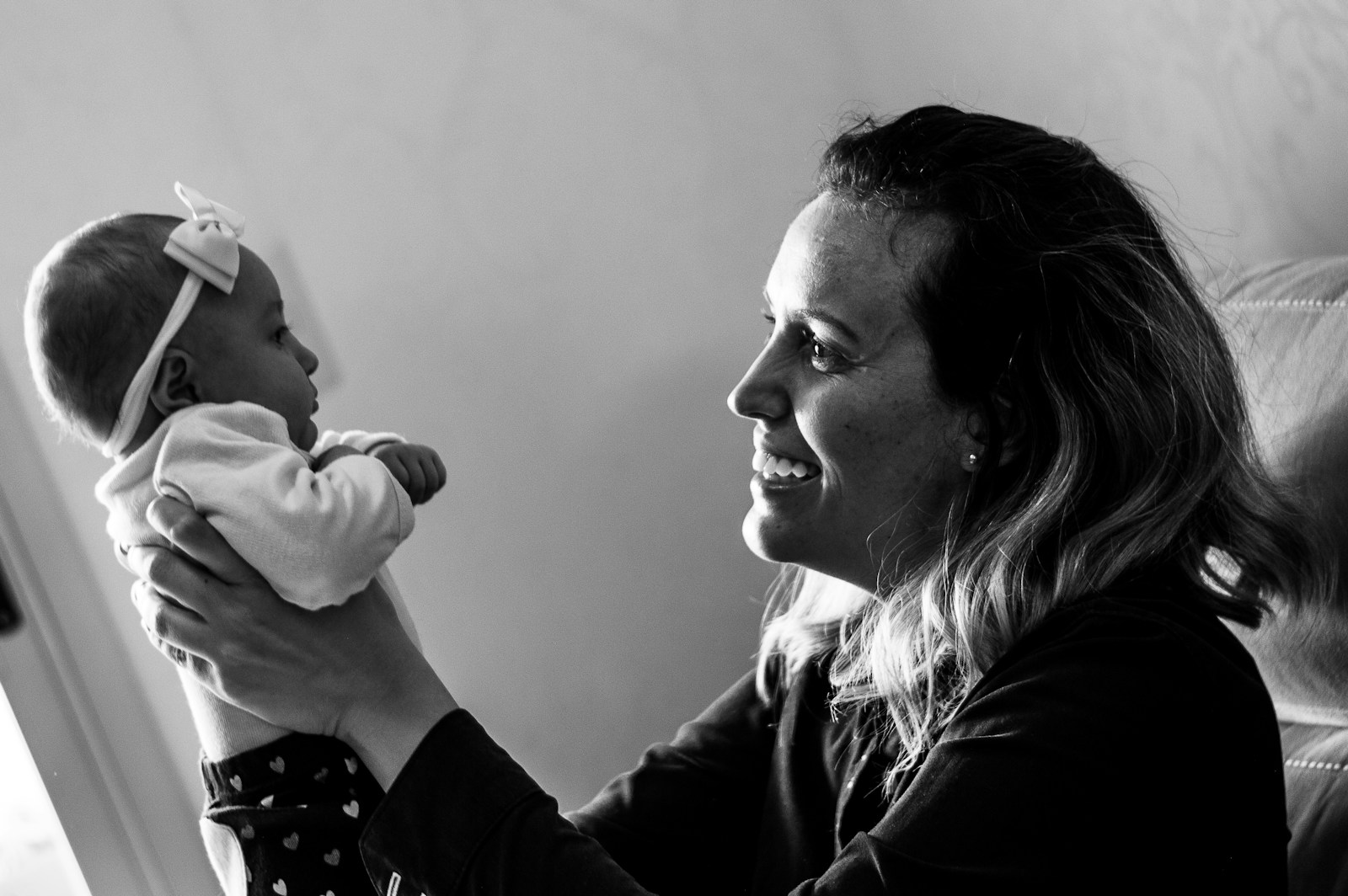
For new parents, the arrival of a newborn is a time filled with joy and wonder, but it can also bring unexpected challenges—especially when it comes to family dynamics. One parent recently shared their unsettling experience involving their mother-in-law (MIL), who seems fixated on spending alone time with their baby, creating a rift that has caused significant anxiety.
The story begins just three weeks after the parent gave birth. Eager to please, the MIL visited them, but her desire to take the newborn for babysitting stoked feelings of discomfort. Despite just recovering from childbirth, the new parent felt it was odd that the MIL would suddenly offer to watch the baby so they could dine out. The poster was not ready to be separated from their newborn, leading them to wonder why the MIL was so eager to be alone with the infant. “I thought it was weird that we invited her to visit and she offered for us to leave her alone in our home with our newborn,” they wrote. The partner dismissed these concerns, viewing the MIL’s offer as a way to help.
Fast forward to six weeks postpartum, the situation escalated. After the poster declined a babysitting offer from the sister-in-law (SIL), the SIL reacted dangerously defensively, berating the new parent for suggesting that her mother might not be a suitable caregiver. Caught in a bind, the poster felt pressured to justify their discomfort, reiterating they simply didn’t want to be separated from their infant. “Her words sounded like an echo of their conversation,” the poster noted, reflecting how the family’s dynamics were permeating their relationship.
Then at eight weeks postpartum, the family visited the MIL’s home, only to find the situation deteriorating further. The MIL, upset at being bypassed for a Father’s Day visit, began taking the newborn into her bedroom repeatedly without consent. Despite the poster’s partner asking her to stay in the living room, the MIL insisted on disappearing down the hall with the baby. It was a moment that alarmed the new parent, culminating when the MIL laid the baby on her bed and promptly shut the door, a situation that felt far too intimate.
“I have postpartum anxiety,” the poster confessed. They had initially tried to communicate this to the MIL, but the response was to blame the anxiety. Instead of addressing the inappropriate behavior, the MIL shifted the focus onto the new parent’s mental health, which only intensified feelings of isolation and frustration. The poster found it difficult to comprehend why the MIL seemed so eager for private moments with their newborn, questioning the boundaries of familial affection.
As the story circulated, readers weighed in, focusing largely on the core issue: the boundaries surrounding a newborn and the discomfort of the parent. Many readers expressed sympathy for the poster, underscoring that their feelings were valid and shouldn’t be brushed aside. Others speculated that the MIL’s behavior might stem from her own desires to bond with the new baby but noted that this must be done within the limits set by the parents.
Some comments reflected on the broader implications of trust between family members. A few felt the MIL’s actions bordered on disrespectful, particularly her refusal to heed repeated requests to remain with the family rather than disappearing with the child. “It’s alarming when a grandparent expects to call the shots,” one reader remarked, emphasizing that respect for parental decisions should form the foundation of any relationship with a newborn.
Ultimately, the poster’s situation reflects a struggle that many new parents face: navigating the delicate balance of family expectations and personal boundaries. The unresolved tension leaves the poster grappling not only with their feelings of anxiety but also the broader dynamics at play within their family. As they move forward, the question remains—how will they establish the necessary boundaries for their family while maintaining a relationship with the MIL?
Original discussion: https://www.reddit.com/r/JUSTNOMIL/comments/1uiqzj9/wanting_alone_time_why/
Leave a Reply