A complex web of love and trauma unfolds in a recent story shared by a poster grappling with their tumultuous relationship with their mother. As they navigate the painful memories of childhood and the ongoing emotional challenges, the poster finds themselves questioning the very nature of familial bonds amidst a backdrop of abuse, neglect, and a desperate desire for connection.
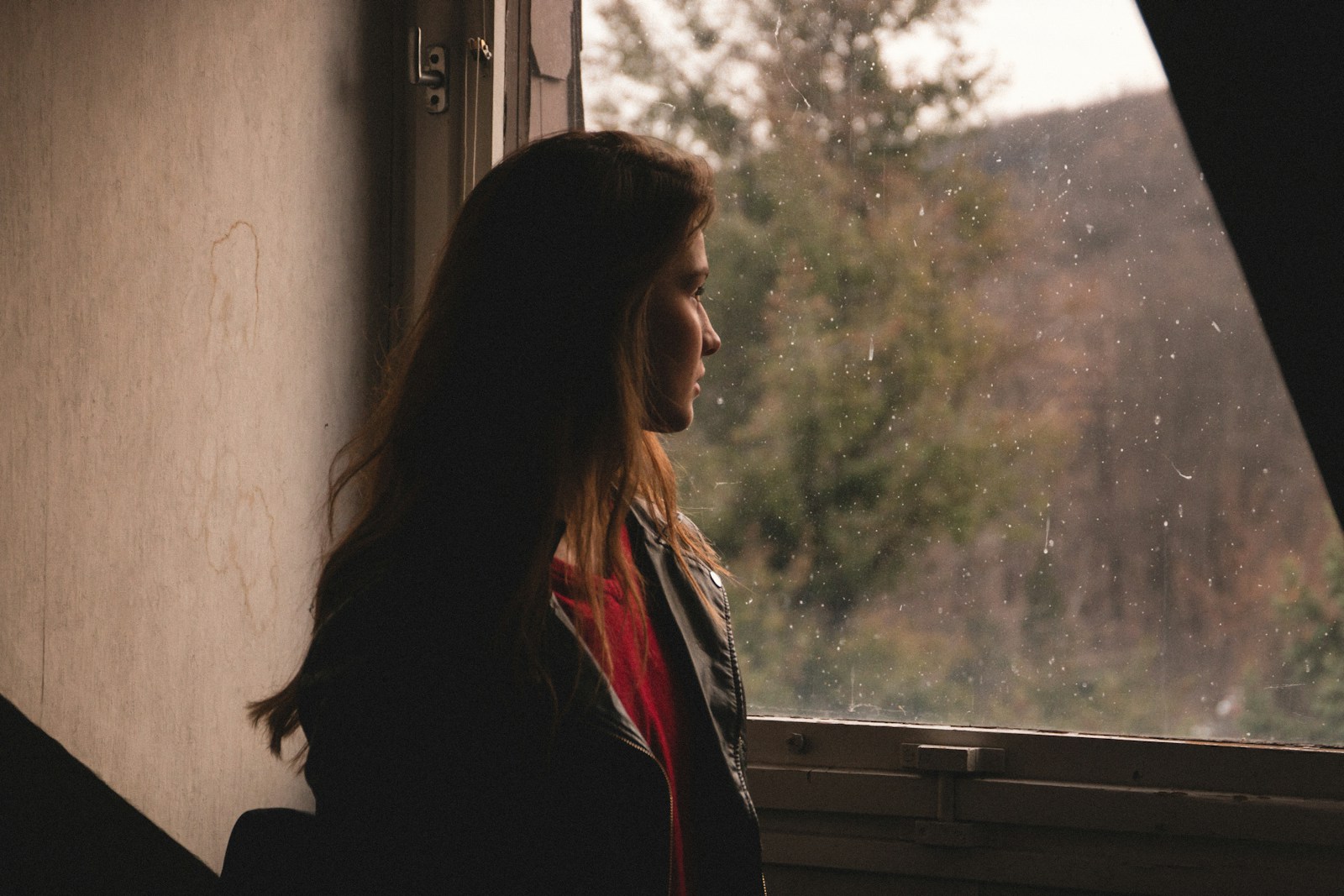
The poster opens up about their struggle, admitting they currently lack access to therapy, which leaves them feeling isolated and uncertain. Their mother, despite inflicting significant emotional harm, sometimes shows kindness, complicating the poster’s feelings. The ambiguity of their mother’s nature is starkly illustrated when the poster recalls a recent interaction: “Are you mad at me? I mean, I don’t know what I did wrong sooo…” This seemingly innocent question encapsulates years of hurt and unresolved issues.
Falling into a narrative of deep-rooted trauma, the poster lays bare a long list of grievances. They recall living in a household where their older brother abused them, and their mother prioritized his well-being over their safety. She allegedly violated CPS orders that mandated the siblings should not live together, demonstrating a troubling pattern of neglect and denial. When the poster experienced distress from their brother’s aggression, instead of offering support, the mother reportedly yelled and criticized them for needing space.
The poster’s memories indicate an alarming disregard for their well-being. They recount a time when they suffered a severe health crisis, yet their mother denied them medical help, telling them to “just get up, you’re fine.” These incidents were compounded by a lack of basic care, where she even gave the poster prescription codeine instead of seeking proper medical attention. The poster highlights how this neglect led them to dangerous situations, including a year-long struggle to access necessary medication. Their mother’s dismissive responses to their serious health concerns only fueled their sense of isolation.
Although the poster acknowledges their mother’s occasional kindness—like attending their band performances and offering gifts—these moments of warmth are shadowed by a history of manipulation and emotional turmoil. They grapple with the dichotomy of their mother’s behavior, recalling instances when she would express love and pride, only to follow it with delusional narratives that served to distort the truth about past abuses. Their mother allegedly told them to lie about their home life to avoid scrutiny, insisting it was important to maintain an image of family unity.
In the midst of these reflections, the poster feels trapped between a desire for a mother’s love and the reality of their experiences. They wonder if the good moments can somehow overshadow the bad, questioning if it’s worth attempting to salvage their relationship. “I want to have her in my life, but not when it’s hurting me so much,” they write, illustrating the conflict between longing for connection and the need to protect themselves from further harm.
As the conversation around this deeply personal story unfolds online, reactions from readers convey a mix of empathy and frustration. Many express support for the poster, validating their feelings of confusion and hurt. Some comments focused on the overwhelming list of abuses, while others highlighted the difficulty of cutting ties with a parent, especially one with whom there are still positive memories. Readers appear to be united in their concern for the poster’s mental well-being, suggesting that self-preservation might require more substantial boundaries.
Ultimately, the unresolved tension between the poster’s longing for maternal affection and their painful past presents a relatable yet heartbreaking dilemma. They yearn for their mother to recognize the damage done and to truly care for them in the way they need. Yet, as they reflect on their tumultuous experiences, it remains uncertain whether their mother is capable of change, leaving the poster in a precarious emotional state. Amidst the chaos, they face the daunting question of whether it is too late for their relationship to heal.
More from Willow and Hearth:
Leave a Reply