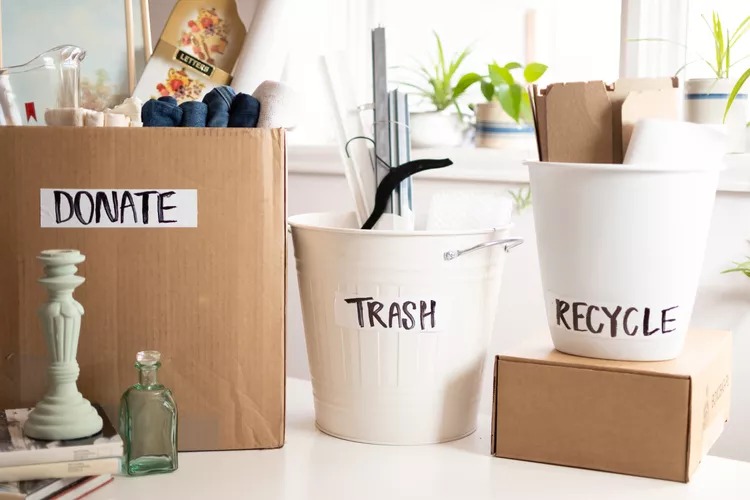
Your basement is probably hiding more junk than treasure. Recent reporting on home organization is blunt that many stored items are unnecessary, unsafe, or simply forgotten, and that you should toss them now instead of shuffling them around. Use these eight research-backed categories to clear space fast without accidentally pitching anything important.
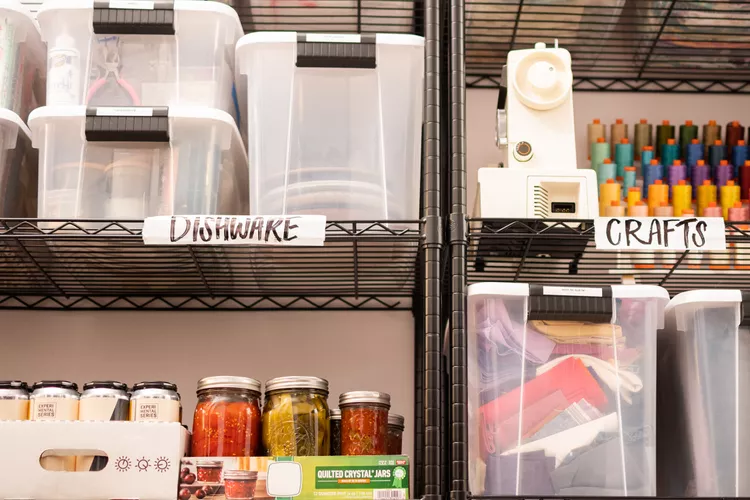
1) Clear Out the Basement Clutter You “Need to Toss from Your Basement ASAP”
Items you “need to toss from your basement ASAP” are the things that are clearly unsafe, deteriorating, or pointless to store, such as broken furniture, rusted tools, or mystery boxes of damaged décor. Reporting on basement items to get rid of stresses that these objects are not candidates for repurposing, they are hazards or dead weight. Anything moldy, water warped, or structurally unstable falls into this category and should go straight to the trash or a hazardous-waste drop-off.
The stakes are higher than aesthetics. Keeping deteriorating items in a damp, low-ventilation space can invite pests, worsen indoor air quality, and hide leaks or foundation issues behind piles of junk. When you remove what experts say you “need to toss,” you are not just decluttering, you are making it easier to spot maintenance problems early and use the basement for safe storage or living space instead of long-term dumping.
2) Ditch the Stuff You “Can Toss Right Now (and Not Even Miss)”
Items you “can toss right now (and not even miss)” are the low-value, non sentimental things that quietly accumulate in basement corners. Guidance on basement items to throw out highlights categories like outdated décor, duplicate kitchenware, and random freebies that migrated downstairs when you did not want them upstairs. These are objects you have not used in years, do not plan to repair, and would not buy again today.
Letting go of this layer of clutter is the fastest way to see progress. Because these items are emotionally neutral, you avoid decision fatigue and can fill donation bags or trash cans quickly. Clearing what you “won’t even miss” also reveals what is left, so you can distinguish genuinely useful gear from the next tier of borderline clutter that may need a more careful decision.
3) Target the “Things You Should Toss From Your Basement” First
The “things you should toss from your basement” first are the obvious, outdated, or damaged categories that professional organizers repeatedly flag. In coverage of things you should toss from your basement, experts single out Unfinished Projects and Renovation Scraps, Old Toys and Board Games, Paint, and Cardboard Storage Boxes as prime candidates. These items are classic examples of good intentions that turned into clutter, or materials that simply do not age well in a basement environment.
Prioritizing these categories gives you a clear starting line. Half-completed DIY projects and leftover lumber rarely become future masterpieces, while old paint and cardboard can harbor moisture and mold. By tackling these “should toss” groups first, you reclaim shelves and floor space quickly, reduce fire and moisture risks, and build momentum for harder decisions about sentimental or higher-value belongings later in the process.
4) Apply “Items You Absolutely MUST Toss” Rules to Basement Storage
Closet rules about “items you absolutely MUST toss” translate directly to basement storage. Professional organizers advising on items you absolutely must toss emphasize worn out, ill fitting, or unused categories that are universally ready to go. In a basement, that same logic applies to boxes of clothes that no longer fit, broken small appliances you have not repaired, and linens or rugs that are stained or musty.
Using these category based standards keeps you from rationalizing every object as a “maybe.” If something is damaged beyond easy repair, duplicates what you already use upstairs, or has not been touched in years, it fits the “must toss” profile. Applying this lens across shelves and bins helps you make consistent decisions, lighten your overall household inventory, and avoid paying for extra storage solutions just to house things you have effectively already rejected.
5) Make Space to Get “Your Basement Tornado-Ready”
Non essential clutter that blocks safe shelter zones is another category you do not need in your basement. Guidance on how to get your basement tornado ready treats the space as an emergency shelter, not a junk room, and implies that anything obstructing pathways, stairwells, or interior walls should be cleared. That includes stacks of boxes in the safest corner, unused furniture crowding the center of the room, and random storage piled near electrical panels.
The safety implications are significant. In a tornado or severe storm, you need fast, unobstructed access to a protected area, plus room for family members, pets, and emergency supplies. Tossing or relocating bulky, non essential items now means you are not scrambling to move them during a warning. It also encourages you to rethink the basement layout so essential gear, from flashlights to first aid kits, is reachable without climbing over clutter.
6) Don’t Accidentally Toss What You “Should NEVER Throw Out”
While you are purging, you also need to identify the items you “should NEVER throw out,” which often hide in basement boxes. Reporting on valuable items pro organizers always save points to categories that tend to be surprisingly valuable or hard to replace, such as important documents, high quality tools, and certain collectibles. These are the things that deserve better storage, not the donation bin or trash bag.
Balancing what to toss with what to protect is the key to a smart basement cleanout. Before discarding a box, scan for paperwork, family photographs, or heirloom level objects that might be mixed in with junk. Setting aside a “never toss” pile for careful review ensures you do not undermine your own financial security or family history in the name of speed, and it aligns your decluttering with long term priorities instead of short term relief.
7) Stop Treating the Basement as a Default Dumping Ground
A cross source principle from multiple basement specific reports is that stored items are often damaged, obsolete, or forgotten, and can be safely removed without affecting daily life. Coverage on Here and other guidance describe the basement as a default dumping ground where things go “for now” and never come back. Over time, that habit turns the space into a cluttered archive of past hobbies, outdated electronics, and décor that no longer fits your style.
Shifting your mindset is as important as hauling bags upstairs. When you stop treating the basement as a catchall, you start asking whether an item deserves storage at all. That change helps you open up possibilities for a workshop, home gym, or simply a more organized storage area, and it reduces the chance that new purchases will quietly migrate downstairs to join the clutter you just worked so hard to clear.
8) Use Pro Organizer Rules to Balance Tossing and Saving
Pro organizer rules about what to toss and what to protect give you a simple checklist for every basement box. Broader decluttering advice on Here and guidance on Don and Even show that some categories, like worn out basics, are automatic discards, while others, like family heirlooms or cherished photographs, should almost never be thrown away. Applying those category based decisions in the basement keeps you from second guessing every single object.
As you sort, ask two questions: “Does this fit a must toss category, like broken, expired, or unused for years?” and “Does this fit a never toss category, like vital records or irreplaceable mementos?” Anything that is neither can be evaluated on usefulness and space. This structured approach turns a vague cleanout into a repeatable system, helping you maintain a clutter free basement long after the first big purge is over.
More from Willow and Hearth:
Leave a Reply