
In a puzzling twist of roommate dynamics, one university student found herself at odds with her former roommates after they pressured her to contribute to the cost of a washing machine. Even more surprising, after relocating to a different floor in the same dormitory, the tenant faced backlash for using the very machine she helped purchase. The incident raises questions about ownership and shared responsibilities among housemates.
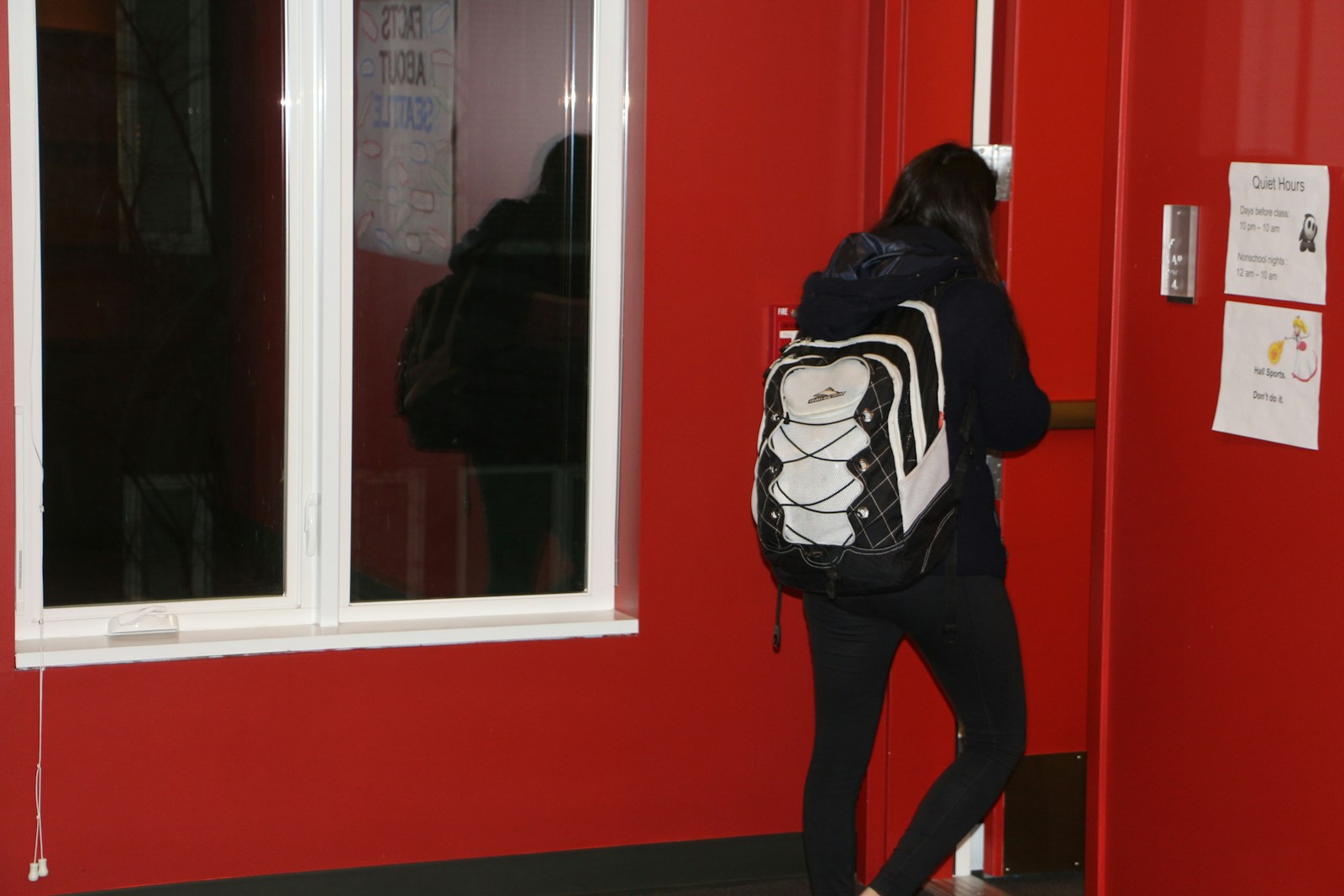
The drama began two months ago when the poster, residing in a government university dormitory shared with five others, received a group message from her roommates. They proposed buying a new washing machine and insisted that everyone should split the costs. However, the poster expressed her intent to move out, as she was on a waiting list for a smaller room and was even considering transferring to another university. She communicated, “I will not stay in this room… but if I stay, I will send you my share.” Despite her reluctance, after a week of persistent pressure from her roommates, she eventually forwarded her contribution.
Four weeks later, the poster secured the new room and moved out. Though still residing in the same building, the new location lacked a washing machine. On her last day in the old apartment, she returned to use the washing machine she had contributed to, only to be met with disbelief from her former roommates. They were shocked that she chose to utilize the machine after leaving, erroneously believing it belonged solely to their room. In a country where dorms don’t charge rent or extra bills, the concept of shared ownership became tangled in misunderstandings.
The poster highlighted that her payment for the washing machine allowed her the possibility of washing clothes almost every two weeks for the cost equivalent to two full semesters. Faced with the alternative of paying three dollars per wash on the shared machine located on the first floor, she felt justified in using what she had helped procure. “If I don’t use that one, I need to pay for using shared ones,” she noted, clearly frustrated. To her, refusing to use the machine seemed impractical and unfair.
As the story unfolded, readers began to weigh in on the situation, commenting on the clear disparity in perceptions surrounding the washing machine. Some emphasized the roommate dynamics and the questionable entitlement of the former roommates, while others focused on the financial implications of the situation. Many pointed out that since the poster had contributed to the purchase, her decision to utilize the washing machine was entirely reasonable. Comments reflected a mixture of sympathy for the poster’s predicament and disbelief at her roommates’ shock.
Others highlighted the complexities that often arise in communal living situations, where ownership and responsibility can easily become muddled. One commenter noted, “It’s baffling that they believed they could claim something just because it was in their shared space.” Such reactions suggest a broader understanding that in communal living, especially in university settings, conversations about shared costs and rights to communal items should be clear and agreed upon from the beginning.
As the poster navigates her new living situation, the fallout from this incident remains unresolved. While she may have successfully moved on to a new room, the reaction from her former roommates continues to linger—a reminder of how tricky roommate relationships can be when financial contributions and personal expectations clash. In the midst of her frustration about the washing machine, the poster is left pondering whether she overreacted or if her roommates failed to grasp the obvious.
More from Willow and Hearth:
Leave a Reply