
The battle between a homeowner and her new roommate has taken a tailspin, spiraling from polite cohabitation to a chaotic clash over cat care and cleanliness. After just two months of living together, the homeowner has found herself navigating a feline-fueled nightmare that has left her couch shredded, her bathroom in disarray, and her patience wearing thin.

Initially, the tenant was pleased with her new roommate, who seemed to embody all the right qualities: polite, quiet, and clean. However, as the weeks rolled on, it became clear that the roommate’s two cats would soon be a significant source of conflict. When the new roommate moved in, she assured the homeowner that her cats would remain in her room, as they were accustomed to living in a contained space. However, this promise began to unravel quickly as the cats were allowed to roam freely through the home, and the tenant’s ideal living situation began to feel more like a cat hotel.
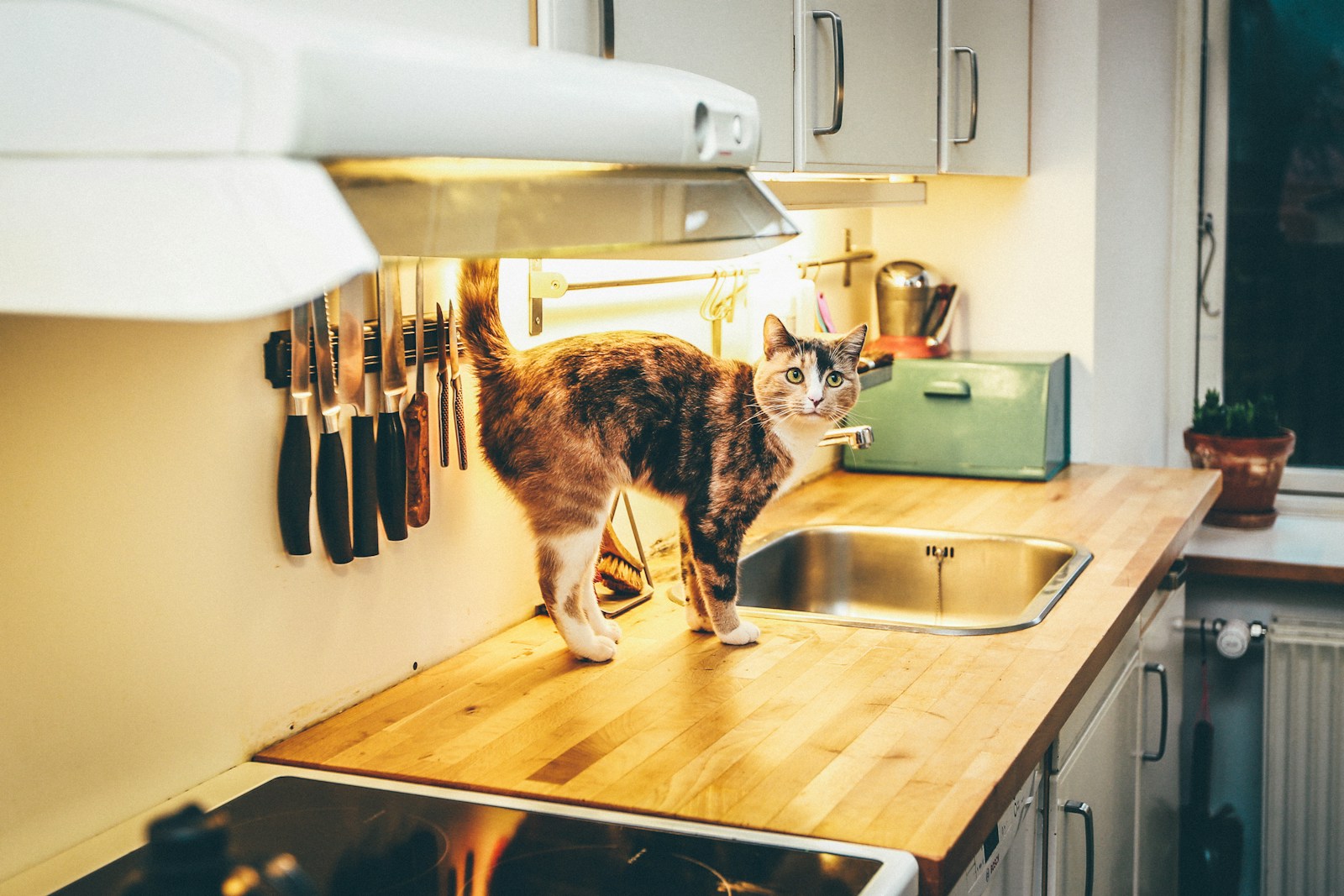
The first sign of trouble came when the cats jumped onto the stove and kitchen counters. Rather than taking measures to deter them, the roommate suggested an impractical solution: placing a cat tree next to the cooking area. After days of negotiations, the roommate eventually purchased a gate to block the cats from entering the kitchen. However, the homeowner’s relief was short-lived when she realized that the roommate would still let the cats out of her room, undermining the entire purpose of the gate.
Next came the bathroom crisis. The roommate insisted that the door should always remain shut to keep the mischievous cats out of the toilet and away from the bathroom’s decor—only for the homeowner to return home to crumpled rugs and a shredded toilet paper roll. It became clear this situation was spiraling out of the homeowner’s control. Even more alarming was what happened to the brand-new couch the homeowner had purchased. Billed as cat-proof, the couch soon bore the brunt of feline scratches, leaving visible damage that was anything but minor.
Adding to this household mayhem was the roommate’s own messiness. Towels and clothes littered the bathroom floor, and she had transformed the living room into a chaotic hangout zone by draping blankets over the couch and moving in a giant box for her friends to use. The homeowner found herself increasingly frustrated, especially when she realized that the basement—an area of the house meant for shared use—had become the roommate’s private party space, further adding to the homeowner’s feelings of invasion and neglect.
The situation escalated when the roommate’s friends began to frequent the house almost nightly. Without any prior notice, she would have guests sleeping over, turning the originally calm household into a hub of noise and chaos. This lack of communication only exacerbated tensions in an already tricky living arrangement.
In a final move of frustration, the homeowner sent her roommate a pointed message, reiterating the need for boundaries regarding the cats. Feeling that her concerns had repeatedly fallen on deaf ears, the homeowner expressed her discontent, noting that it felt unfair to be labeled a “bad person” for wanting to protect her home. The unfolding saga highlights the strain of trying to maintain a peaceful cohabitation, especially when boundaries appear to be disregarded.
Commenters on the post have rallied around the homeowner, sharing their disbelief at the roommate’s behavior. Many expressed sympathy, noting that shared living spaces should never feel like one person’s personal storage unit. Some even pointed out the explicit agreement made when the roommate moved in regarding the cats, arguing that it wasn’t just unreasonable, but irresponsible to neglect those expectations.
As the homeowner grapples with the ongoing fallout from her roommate’s disregard for shared living standards, the primary concern remains unresolved: how to reclaim her space without escalating tensions further. The couch may be damaged, the chaos may continue, and her patience may wear thin, but one thing is clear: this cat-centric conflict is far from over.
More from Willow and Hearth:
Leave a Reply