
A friendship fraught with tension has emerged as the poster struggles to navigate the personality of a friend who identifies as autistic. While the poster shares a similar diagnosis, they express frustration over what they call their friend’s “constant negativity,” which has begun to overshadow their social interactions. The conflict raises significant questions about where the line is drawn between being authentic and being cruel.
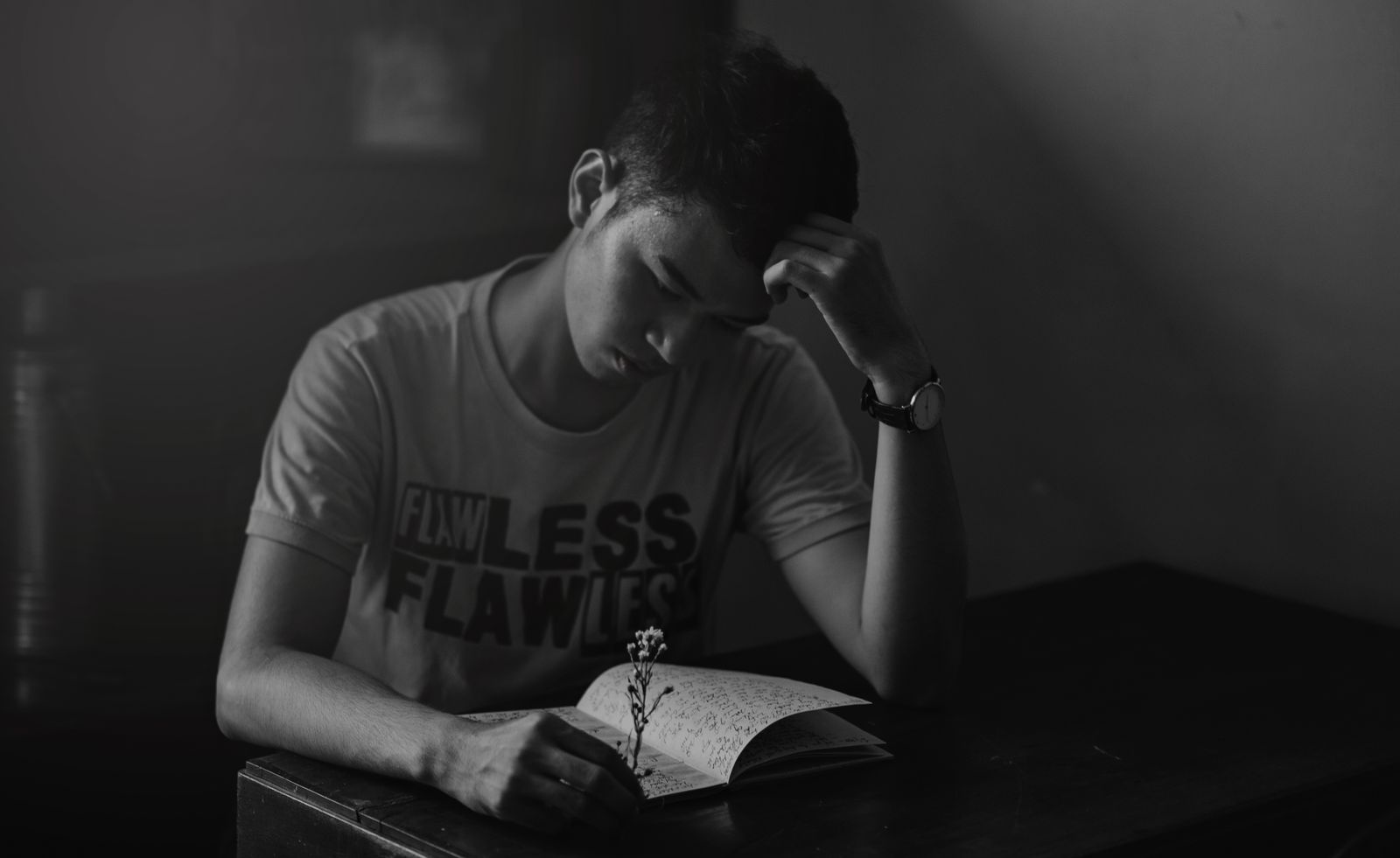
The poster describes their relationship with their friend, noting that, despite being autistic themselves, they find their friend’s behavior intolerable. “He can just be insufferable, an arsehole or completely elitist about topics but won’t change cause he’s ‘just being his authentic self,’” they wrote, highlighting a sense of helplessness in the face of their friend’s refusal to engage positively with the world around him.
Specific instances illustrate the friend’s dismissive attitude and negativity. For example, when the poster excitedly shared a dance they wanted to learn, their friend merely retorted, “I hate those FNAF girls so much.” When gaming topics arise, the friend disparages popular mechanics, labeling them as something to be avoided. The ongoing rants about artificial intelligence have also taken a toll, with the poster expressing exasperation over their friend’s relentless critiques. “I feel like I have a trauma response to seeing AI stuff,” the poster admitted.
This relentless negativity extends beyond general complaints; it seeps into personal interactions as well. The friend has been described as openly spiteful toward a mutual friend who used AI technology in the past, labeling their success as fraudulent. When discussing hobbies, the poster found their friend’s insistence that a tabletop game be played in person rather than online frustrating. The friend’s unwillingness to compromise on the format has left the poster feeling unheard, as they struggled to justify the financial burden of miniatures for an in-person game. “Brother, no,” they stated, clearly exasperated with the lack of empathy.
The tension reached a peak when the poster noted a small glimmer of hope after sharing a fantasy Pokémon draft in a Discord server. For once, the friend engaged without casting negativity, asking questions about the choices made. “Wow, you’re actually taking an interest in something I made,” the poster reflected, yearning for that kind of engagement more frequently. Yet, this moment was overshadowed by their ongoing concerns about the friend’s pervasive bitterness: “If you’re reading this and recognize this is you, you’re not being your authentic self, you’re bitter, resentful and angry and I’m scared of you sometimes.”
The dilemma faced by the poster has resonated with some readers, who empathized with the struggle of balancing authenticity with kindness. Several comments emphasized the importance of setting boundaries and taking care of one’s mental health in toxic friendships. Others noted that the friend’s behavior may stem from a misunderstanding of social interactions, particularly in the context of autism. Some readers suggested that open conversations or professional help could potentially bridge the gap between the two friends, emphasizing that a deeper understanding could lead to better communication.
Despite the reactions, the essence of the conflict remains unresolved. The poster’s anxiety about their friend’s increasingly negative demeanor leaves them feeling trapped in a cycle of one-sided rants and putdowns, many of which lack regard for their feelings. They conclude with a heart-wrenching plea for the friend to seek help, clamoring for improvement in their friendship and acknowledging their own need for a healthier social environment.
More from Willow and Hearth:
Leave a Reply