In an episode that seems almost lifted from a sitcom script, a homeowner recently found himself the unwitting star of a bizarre confrontation with his neighbor. Just moments after leaving his home, the poster discovered that his neighbor had seized the opportunity to fill his own pool using the homeowner’s outdoor tap—an act that left many questioning the boundaries of neighborly behavior.
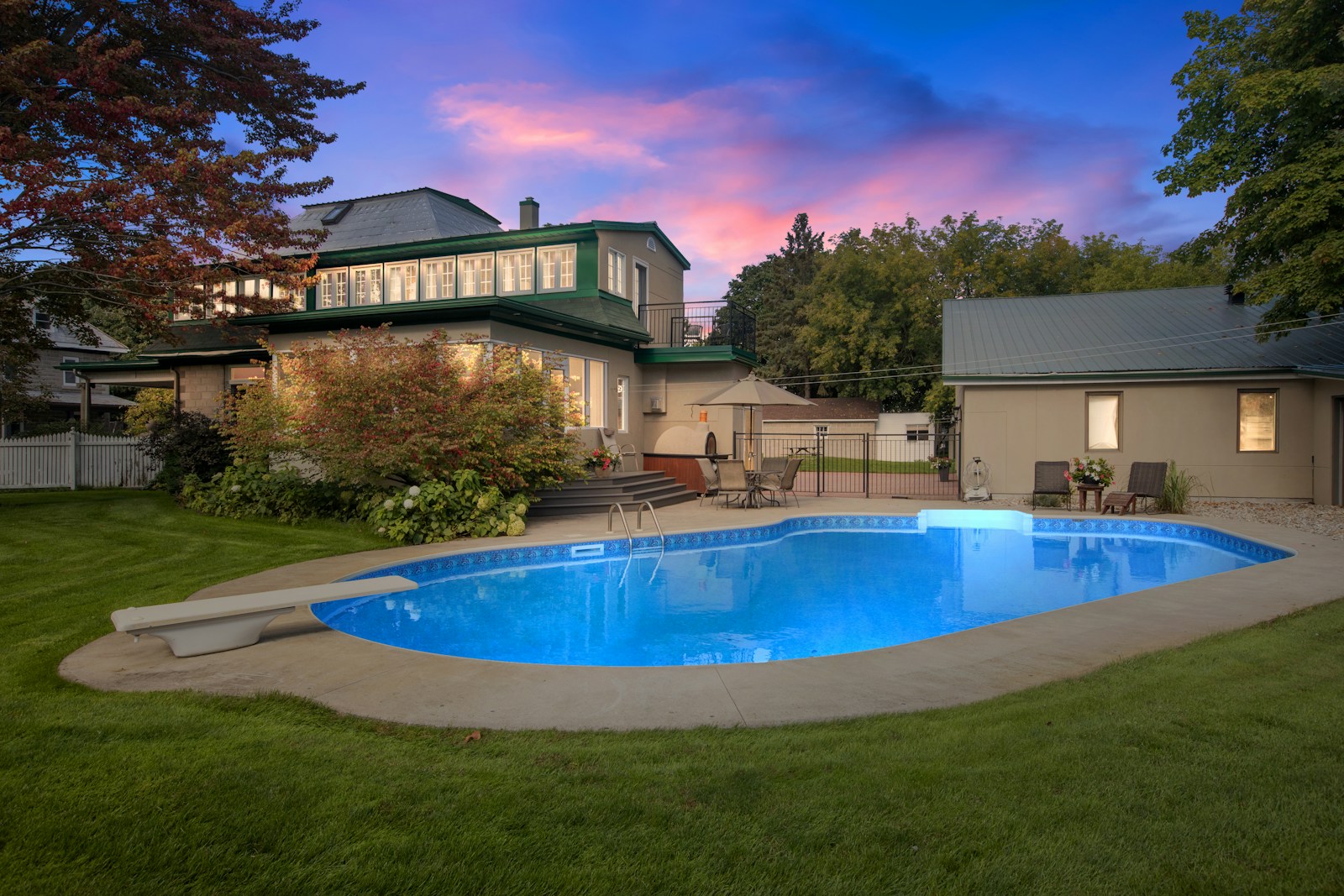
The incident began when the homeowner stepped out for a short trip. Barely minutes after he closed the door behind him, his neighbor allegedly wandered into his backyard and connected a hose to the homeowner’s outside tap. For half an hour, the neighbor filled his pool with water that, unbeknownst to him, was being siphoned from the homeowner’s supply. The audacity of the act, particularly the timing, raised eyebrows as the homeowner reviewed the footage captured by his security camera.
When the homeowner returned, he confronted his neighbor about the unauthorized water usage. Initially, the neighbor flatly denied any wrongdoing. However, after the homeowner presented the video evidence of the incident, the neighbor shifted his stance, offering a half-hearted apology along with a “pretty rubbish excuse.” The homeowner was left in disbelief, grappling with the idea that someone could think it acceptable to use another person’s resources without consent.
Feeling the need to take action, the homeowner installed a padlock on his outdoor tap, a decision prompted by a growing concern over the boundaries of neighborly trust. “Honestly, I couldn’t believe someone would think that was okay,” he remarked, reflecting on the absurdity of needing to safeguard something as basic as faucet access from someone living next door.
As the tale circulated among readers, many found themselves resonating with the homeowner’s predicament. The audacity of the neighbor’s actions sparked a range of reactions. Some readers highlighted the monetary implications of the incident, pondering how much water was wasted and whether there could be any financial repercussions involved. Others focused on the broader issues of respect and boundaries that neighbors should ideally uphold.
While there were no significant debates in the comments, the overwhelming consensus seemed to lean towards disbelief at the neighbor’s behavior. Many found it outrageous that someone would take another’s water without permission, a sentiment underscored by the absurdity of the situation. “It’s wild to think someone would feel entitled to another’s water supply,” one reader commented. “What’s next? Borrowing a car without asking?”
The homeowner’s experience is emblematic of the everyday conflicts that can arise in close living conditions. What may seem like a trivial issue to some quickly escalated into a significant breach of trust. As he locked the outside tap, a question lingered in the air: how do neighbors navigate the fine line between camaraderie and entitlement? The homeowner’s resolve to take precautionary measures serves as a subtle reminder of the complexities of neighborly relationships.
More from Willow and Hearth:
Leave a Reply