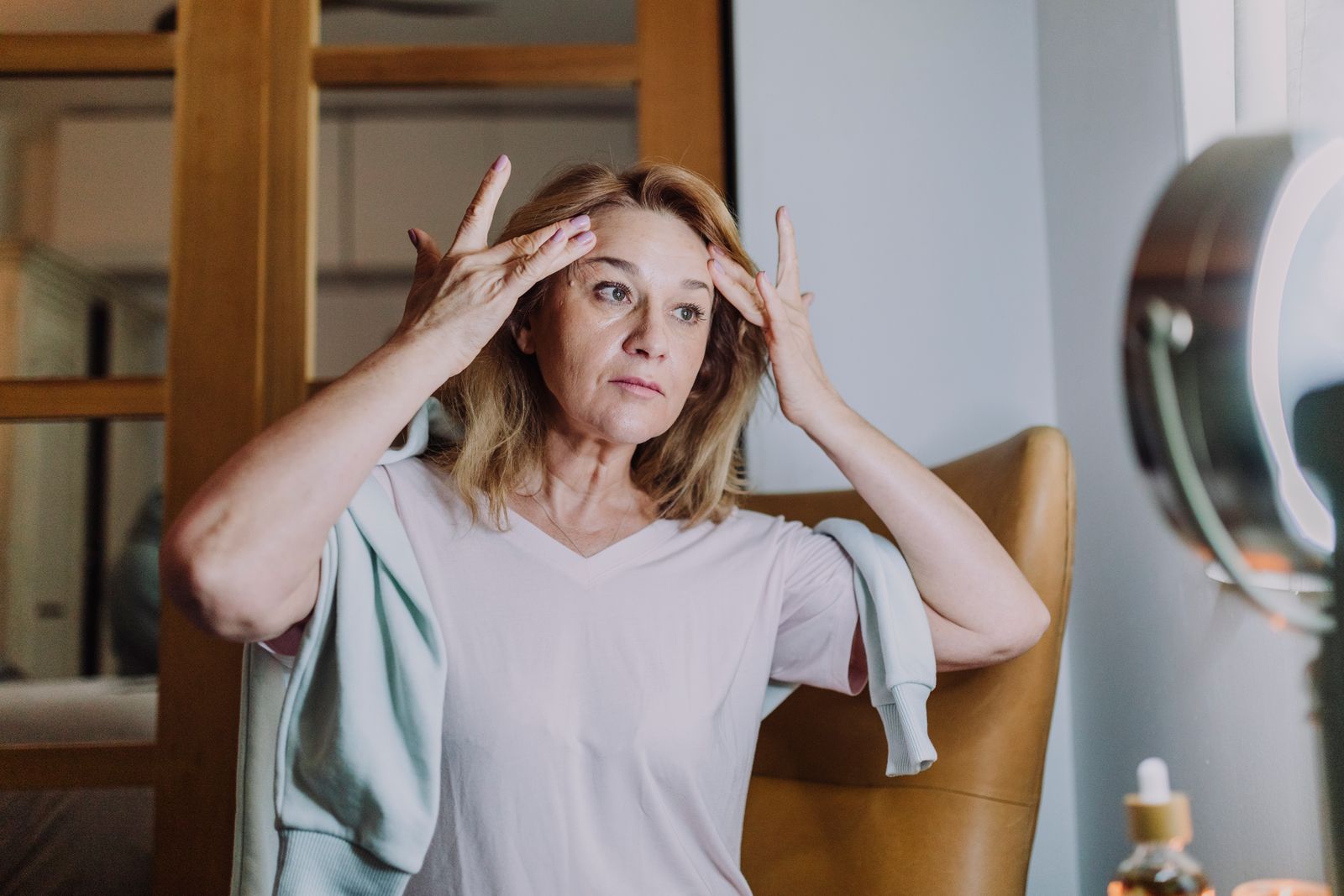
The struggle of balancing individual needs within a parent-child relationship can take on unexpected forms, as one single parent discovered when their adult child went away for a two-week trip with their partner. After years of cooking and serving food tailored to their child’s preferences, the parent started to feel an enticing sense of liberation, but it also opened up a complex conversation about autonomy and shared responsibilities.

At 57, the parent, who has been living with their now 32-year-old child since relocating to a more accessible European country for higher education, found themselves in a familiar yet stifling routine—one that revolved heavily around food. Since beginning their personal weight loss journey in 2015, the parent had struggled to maintain focus amidst the challenges of aging, weight fluctuations, and an emotional relationship with food. “I am so tired of this war,” they lamented, referring to the ongoing battle against “food noise”—the mental clutter surrounding meal planning, grocery shopping, and cooking for two.
For years, the parent had adapted their cooking to accommodate the specific tastes and preferences of their child, often batch cooking to minimize time in the kitchen. Their meals were rarely enjoyed together; instead, they’d eat separately while engaging in their favorite shows. This arrangement, while comfortable, had fostered a dynamic that kept their relationship firmly rooted in the parent-child hierarchy rather than evolving into a partnership between cohabiting adults.
With the child away, the parent seized the opportunity to experiment with meals that had previously been off the table. They relished the newfound freedom to cook what they liked without worrying about what someone else might think. “I have been buying and cooking whatever I want,” they described, clearly enjoying the reprieve from the emotional and mental labor linked to food that had become an overwhelming presence in their life. The food noise vanished, replaced by a refreshing sense of ease.
However, the impending return of the child loomed large, and with it came a wave of anxiety about reverting to old habits. The parent expressed uncertainty about how to navigate this shift, pondering whether they would be considered unreasonable for asking their child to take on more responsibility in the kitchen. “Would I be an arse if I asked my child to cook for themselves?” they questioned, highlighting the tension between nurturing instincts and the need for independence.
Reactions from readers highlighted the complexities of the situation. Many empathized with the parent’s desire for freedom from the “food noise,” with some suggesting that the adult child should indeed contribute more to household meals. Others pointed out the importance of communication, emphasizing that the child might not fully grasp the burden the cooking arrangements placed on their parent. “Your needs matter too,” one commenter noted, urging the parent to assert their preferences and set boundaries without guilt.
As the conversation unfolded, it became clear that most readers were concerned with the emotional implications of the current dynamic. Many highlighted how the deeply rooted parent-child relationship could impede the necessary growth towards adult independence. Yet, some reminded the poster that their child is still part of the equation and that they should approach any changes collaboratively rather than unilaterally.
As the days of solitude dwindle, the parent faces a poignant dilemma: how to maintain their newfound sense of freedom while fostering a more equitable living arrangement. The prospect of returning to the confines of their previous cooking routine is daunting, yet the desire for a balanced partnership is palpable. The journey ahead may require careful communication and a willingness to adapt, but for now, the taste of liberation remains sweet.
More from Willow and Hearth:
Leave a Reply