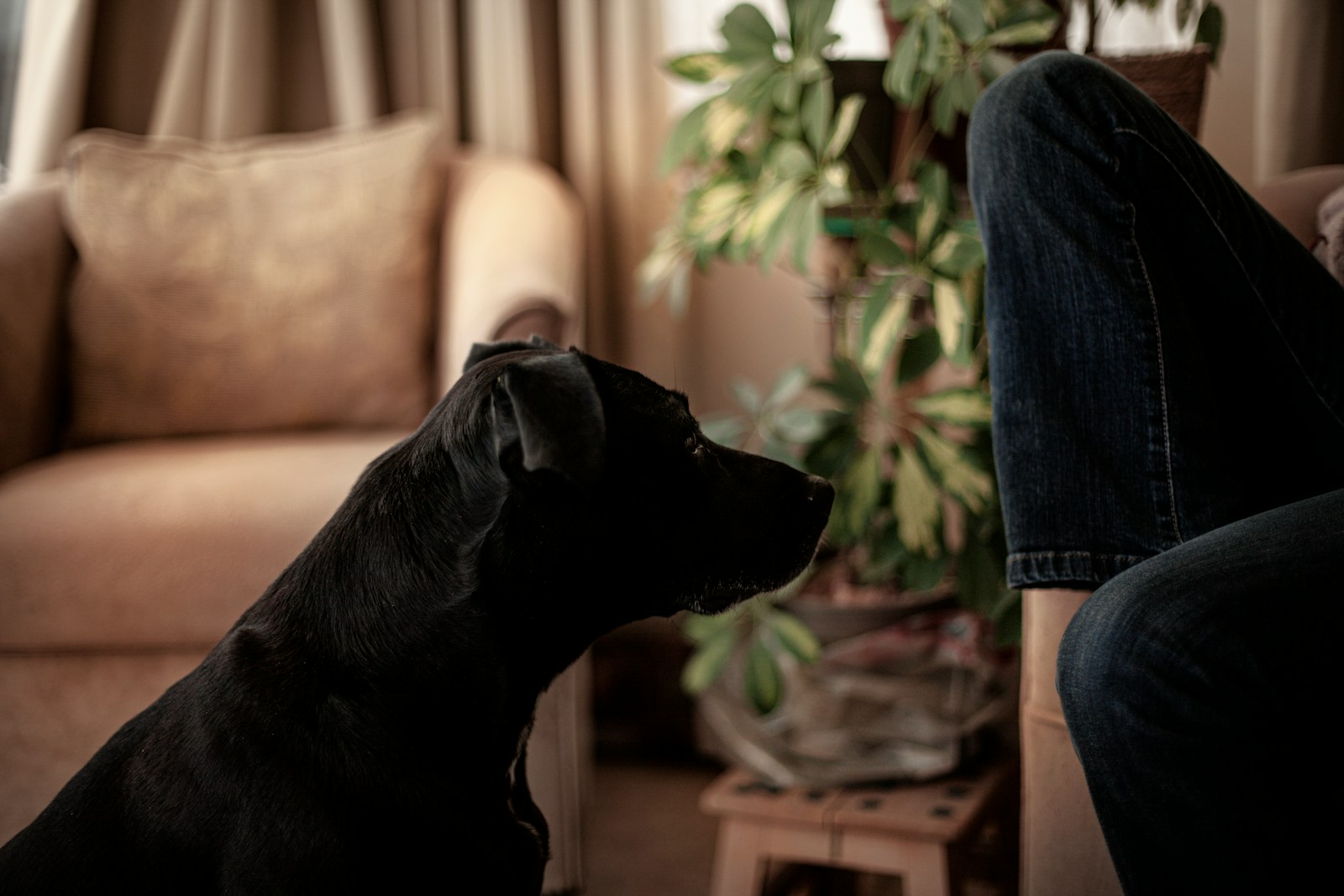
A couple’s refusal to dog-sit their in-laws’ beagle has ignited a conversation about family dynamics and pet care. The poster, a 25-year-old man, shared his experience of caring for Bailey, a five-year-old beagle-cavalier mix owned by his brother-in-law. Each time the couple dog-sat Bailey, their senior bichon frise, Sidney, became increasingly distressed, ultimately retreating to the wardrobe for comfort.

The couple had recently moved into their own home and adopted Sidney, a senior dog who had lost his previous owners. Sidney had taken considerable time to adjust to his new environment, enjoying moments of playfulness with his toys. However, the introduction of Bailey into their home proved problematic. The young beagle was described as overweight and oblivious to boundaries, often pushing Sidney aside to steal his toys or sneakily eating his food. Tensions peaked during a recent dog-sitting stint when Bailey would incessantly jump on and off the couple’s bed, disrupting their sleep and leaving Sidney feeling vulnerable.
After the exhausting experience, the poster felt compelled to voice his concerns about Bailey’s behavior to his partner, who was tasked with speaking to his parents. However, when the in-laws asked them to dog-sit again for a planned family trip, apprehension set in. Initially feeling guilty for not agreeing immediately due to the in-laws’ claims that they had no other options, the poster reconsidered and ultimately expressed his discomfort about hosting Bailey again.
The poster opted not to confront his in-laws directly, assuming it would potentially spark conflict. Instead, he leaned on his partner to communicate the issues that arose from the previous dog-sitting experience. This decision led to feelings of tension within the family. The poster worried that he might have caused a rift between them and his in-laws, uprooting their previously friendly relations.
In the comments section, many readers concentrated on the emotional impact that the situation had on Sidney. They empathized with the couple, recognizing the stress that improper canine introductions could create for both pets and owners. Some pointed out the clear mismatch between Sidney’s timid nature and Bailey’s boisterousness. Readers urged the poster to prioritize Sidney’s well-being, arguing that no pet should have to feel overwhelmed or unsafe in their own home.
Others redirected focus towards the in-laws, questioning their insistence on leaving Bailey with the couple despite knowing the previous difficulties. They expressed disbelief that the in-laws did not consider alternative pet care arrangements, especially when the trip was to a dog-friendly destination. The contrast between Sidney’s anxious demeanor and Bailey’s boundaryless behavior resonated with many, leading to a consensus that the couple’s refusal was entirely justified.
Despite the understanding and encouragement from fellow readers, the situation remains unresolved. The couple’s decision to decline dog-sitting again signals a willingness to protect their home environment for Sidney, but it places them in a delicate position with the in-laws. As they navigate these familial waters, tensions are likely to linger, showcasing the intricate balance between family obligations and the well-being of beloved pets.
More from Willow and Hearth:
Leave a Reply