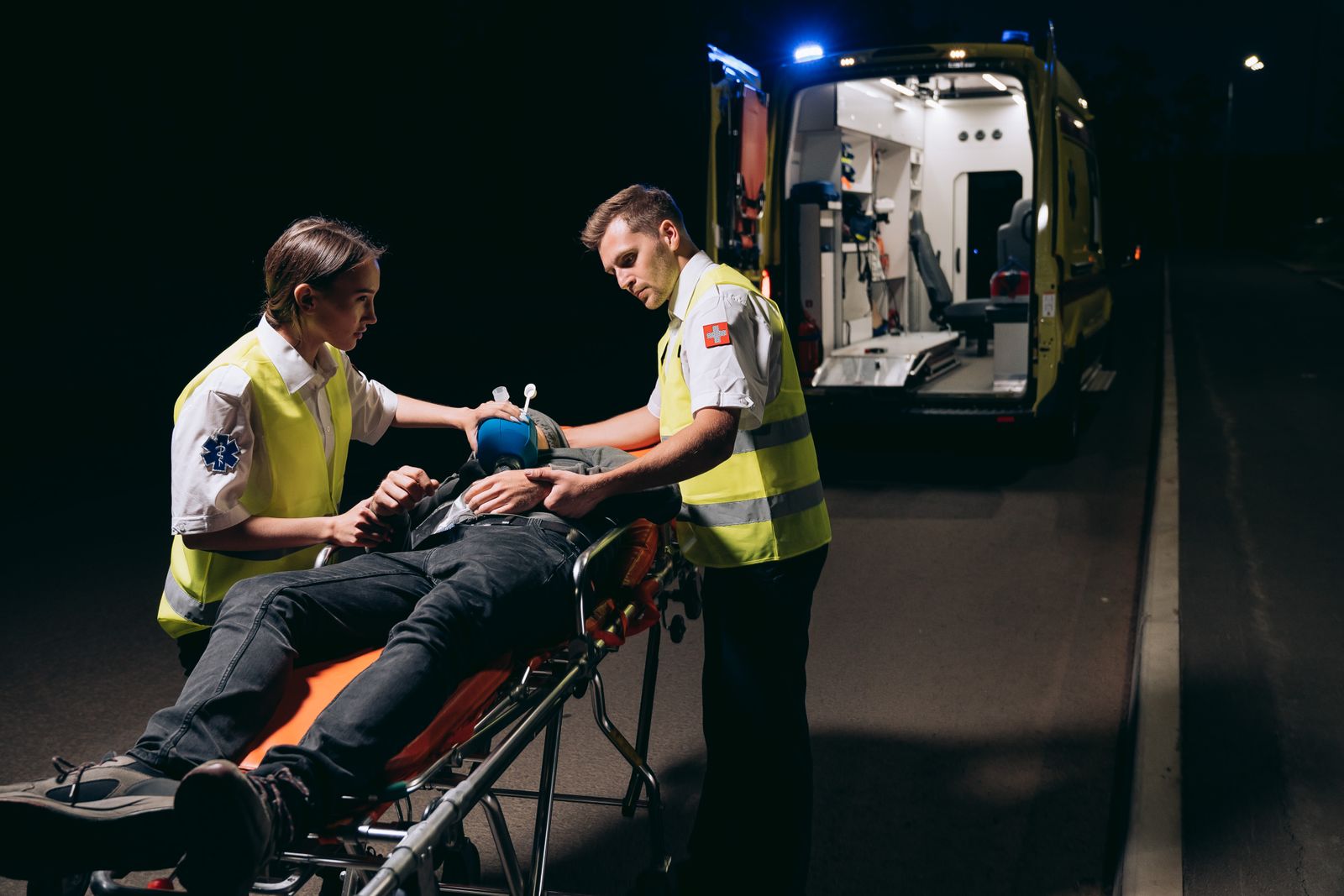
In a revealing post that blends friendship with concern, a woman grapples with the harsh realization that her lifelong friend may not be fit to become a paramedic. Despite being the poster’s best friend, the potential paramedic seems to struggle with stress management, fitness, and communication—a trifecta that raises doubts about her ability to succeed in such a demanding role.
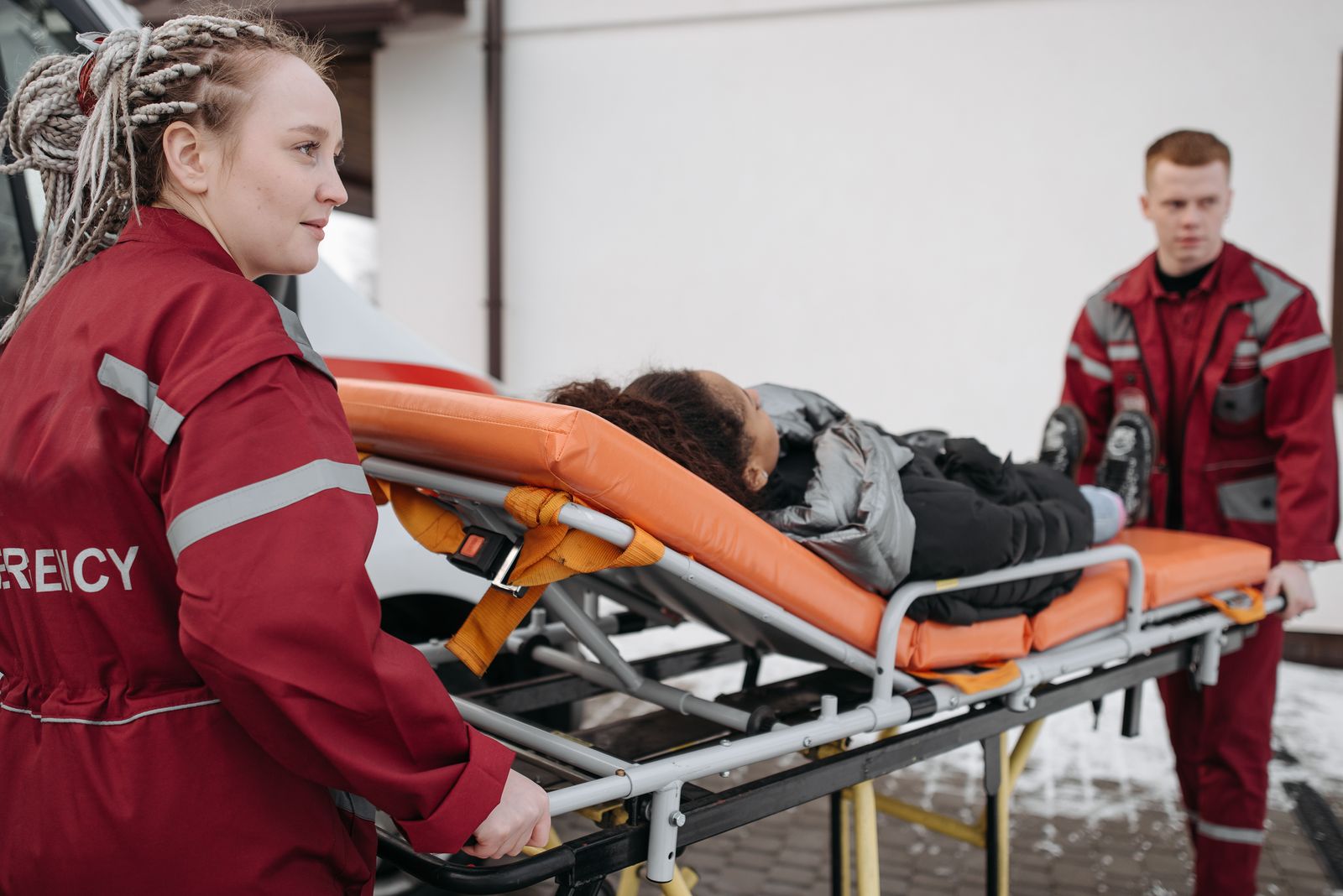
For years, this hopeful aspirant has nurtured the dream of becoming a paramedic. However, the poster outlines a series of overwhelming challenges that cast a shadow on this ambition. “I feel absolutely horrible for saying it,” she admits, “but I just don’t think she can.” This inner conflict, between the desire to support a friend and the reality of her limitations, lays the foundation for a tense exploration of their relationship.
Mental and physical struggles plague the aspiring paramedic. The poster notes that her friend is “the biggest worrier” she knows, often overwhelmed by even the slightest stress. An overbearing mother may contribute to her friend’s anxiety, but the poster emphasizes that her friend’s inability to express her feelings adds another layer to the issue. Rather than confronting her mother, the friend appears to internalize her frustrations and blame others, a habit that hinders her personal growth.
When it comes to dealing with criticism, the poster highlights her friend’s fragile emotional state. A past friendship ended abruptly after her friend struggled to accept correction on her first aid skills—an essential competence for anyone hoping to become a paramedic. “She cannot take criticism either,” the poster shares, explaining that her friend was offended by blunt feedback delivered by an autistic acquaintance. This incident raises questions about how the aspiring paramedic would cope in high-pressure situations where constructive feedback is crucial.
Communication issues further complicate the situation. The poster reveals that her friend has a language processing disorder, which makes it challenging for her to understand conversations. “She struggles to understand me speaking normally in quiet areas and has made no effort to improve,” the poster explains. This communication barrier raises serious concerns about her friend’s ability to understand patients or colleagues in distressing scenarios—an inevitable part of emergency medical services.
Physical fitness, of course, is another pressing concern. The aspirant reportedly gets winded even during leisurely strolls, a fact the poster emphasizes without fatphobia. While not all countries require paramedics to pass fitness tests, the job’s demanding nature necessitates a certain level of physical capability. The poster expresses frustration regarding her friend’s inability to adhere to a diet or exercise routine, noting that she often says, “my diet starts tomorrow,” but rarely follows through.
The final nail in the coffin of the poster’s doubts comes from her friend’s reaction to stress—she has a history of passing out when overwhelmed. This tendency seems to compound her existing challenges and raises red flags about her ability to handle the stresses of being a paramedic, a role that demands resilience and composure in the face of crisis. As the poster reflects on these hurdles, she grapples with a painful truth: “Unless she changes drastically both physically and mentally, she won’t be able to.” Yet, the poster hopes to be proven wrong, demonstrating the complex mix of support and skepticism that defines their friendship.
As the story circulated, readers reacted with a mix of concern and speculation. Many were quick to sympathize with the poster’s dilemma, understanding the difficulty of navigating friendships under such circumstances. Comments focused on the significant responsibility that comes with supporting a friend while simultaneously fearing for their future. Some users even echoed the poster’s worries, agreeing that the aspiring paramedic has substantial hurdles to overcome before pursuing her dream. Others questioned whether it was fair for the poster to harbor doubts, suggesting that encouragement may be what her friend needs most.
In the end, the unresolved tension between friendship and reality lingers. While the poster can’t bring herself to express her doubts directly, her concerns highlight a deeper issue embedded in their relationship: how to remain supportive without enabling unrealistic aspirations. With so much at stake, both for her friend and their friendship, the journey ahead is fraught with uncertainty.
More from Willow and Hearth:
Leave a Reply