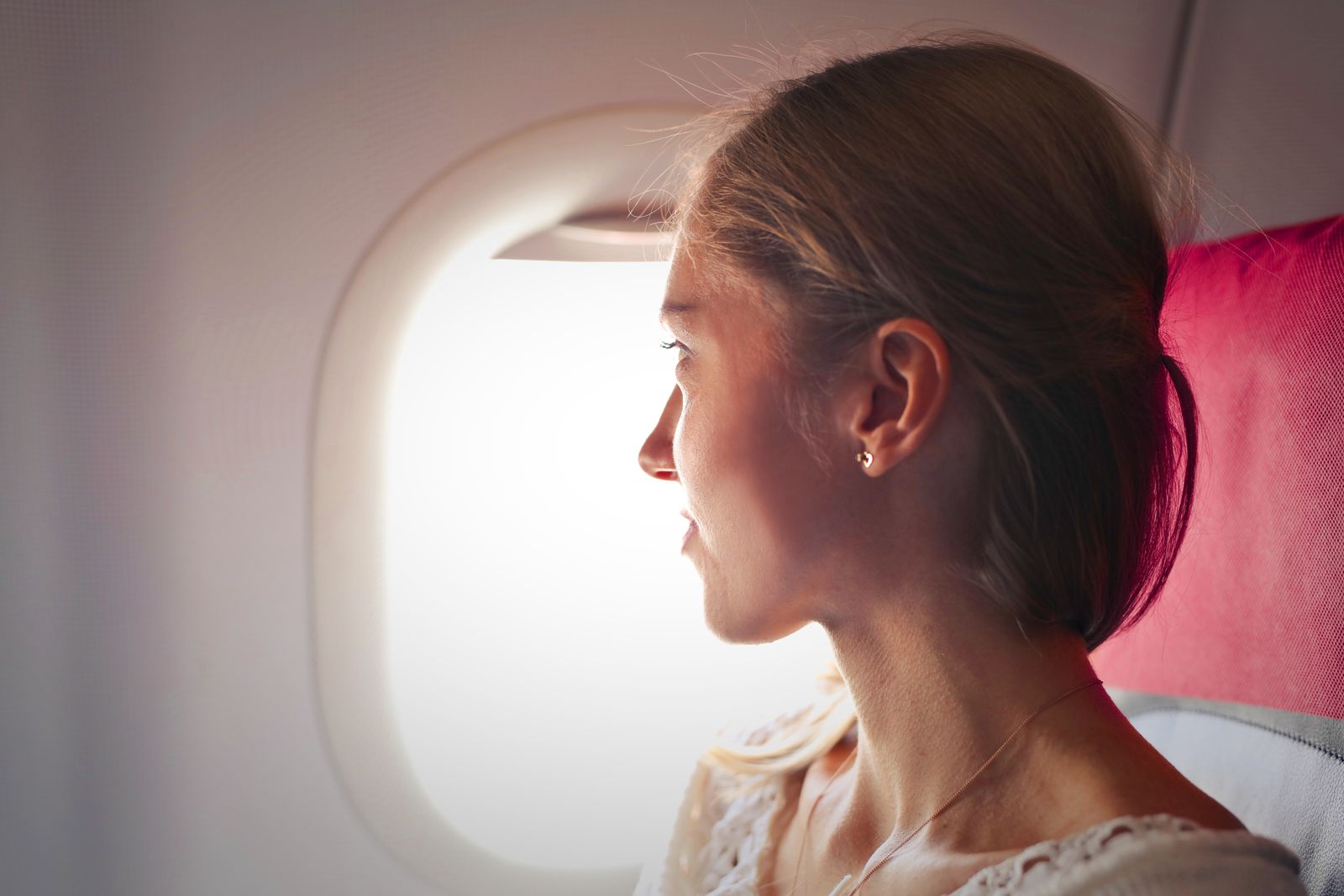
When it comes to air travel, disputes among passengers can often lead to uncomfortable confrontations, but one window seat passenger has taken a firm stance on a surprisingly contentious issue: the control of the window shade. According to the poster, the right to adjust the shade belongs unequivocally to the individual who booked the coveted window seat, while those in the aisle and middle seats already enjoy their own perks. This opinion has sparked a lively discussion about the etiquette of shared airplane spaces.

The poster made their thoughts clear, stating that aside from compliance with crew instructions and safety protocols, the window seat passenger should have the final say over whether the shade remains open or closed. After all, they paid for the privilege of a view—complete with clouds, sunsets, and the undisturbed beauty of flying at high altitudes. The aisle passenger, they argue, enjoys easier access to the bathroom, and the middle seat passenger has the advantage of both armrests. Therefore, the window seat, surrounded by walls and a view, should come with the right to control the shade.
Reflecting on their travel experiences, the poster felt confident in their assertion. “If you want to sleep, bring an eye mask. Want to see the clouds? Book the window seat,” they insisted. This candid perspective highlights a simple truth about air travel: a myriad of small comforts and inconveniences come with the various seat choices available. Yet, it seems that the poster’s firm stance might not resonate with everyone, especially when traveling on a packed flight where group dynamics often come into play.
The potential for conflict doesn’t stop at viewpoints on shade control; it embodies a larger theme of shared experiences in cramped spaces. The poster’s argument rests upon the notion that air travel is a service purchased rather than a communal gathering. This seems to suggest that booking a window seat bestows a certain ownership of the environment surrounding it. However, it also raises questions about passenger etiquette and the unwritten rules of flying in close quarters.
As the discussion progressed, it became apparent that while the poster felt justified in their view, the reaction from fellow travelers might not be as straightforward. Comments from others mostly honed in on the central conflict without getting sidetracked by side issues. Some echoed the poster’s sentiments, emphasizing the right to control the shade if one has paid for the window seat. Others, however, expressed a more conciliatory attitude, stressing that flying is inherently a shared experience that requires some level of compromise.
While opinions varied, many acknowledged the discomfort that can arise from a decision as small as whether to keep the window shade up or down. Some passengers pointed out that choosing to close the shade could impact fellow travelers’ enjoyment of the flight, especially if they longed to take in the landscape below or simply bask in the natural light. This added layer of complexity serves to illustrate the nuanced dynamics of shared spaces: while personal preferences matter, they often collide with the needs of others traveling in close proximity.
The poster’s assertion has brought a unique lens to the discussion of airplane seating etiquette, demonstrating how even the most mundane aspects of travel can stir heated opinions. By the end of the conversation, it was clear that the issue of the window shade was more than just a minor inconvenience; it became a symbol of autonomy in a shared environment, illuminating how even the smallest decisions can lead to broader reflections on ownership and privilege in the skies.
More from Willow and Hearth:
Leave a Reply