
A bachelorette weekend meant for celebration quickly spiraled into a traumatic experience for one woman when a drunken guest made an unwanted advance. The incident, involving a married woman and a male guest, has ignited conversations about personal boundaries and consent among the attendees, as well as the reactions of those who witnessed the event. The poster, a 26-year-old female friend of the bride, shared her story online, revealing how the scene unfolded and the emotional aftermath she faced.
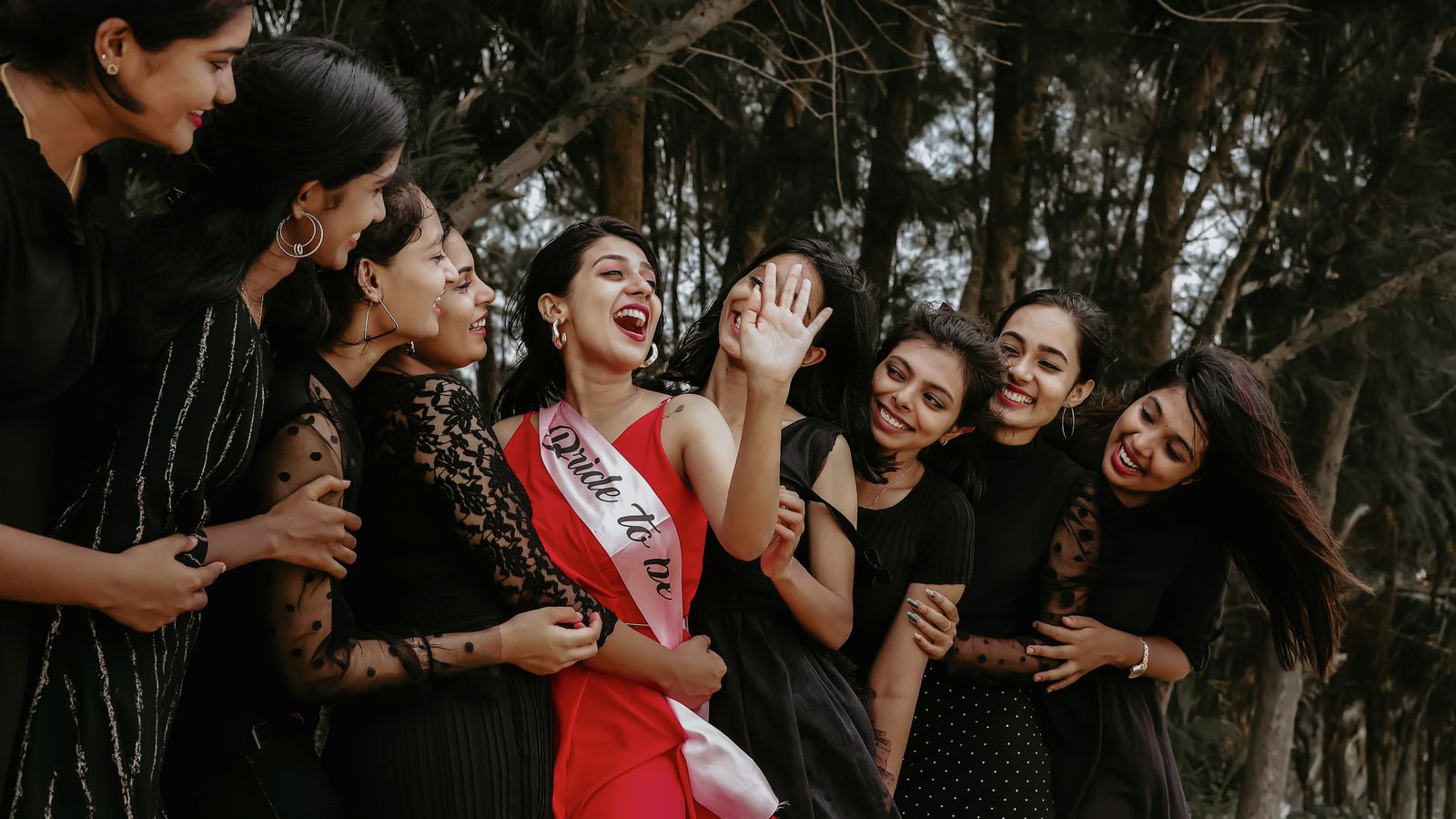
What was supposed to be a fun-filled four-day getaway in a rented house quickly soured after the poster encountered one of the two male guests, someone she had never liked and who had a reputation for inappropriate behavior. Despite her reservations, she chose to be cordial for the sake of the bride. However, as the night wore on and the alcohol flowed, the atmosphere shifted. Having consumed just three beers over six hours and feeling relatively sober, she stepped outside to smoke alone when the male guest emerged behind her.
The uncomfortable encounter escalated when he grabbed her, attempting to force a kiss. “I’m married!” she exclaimed, and though he responded with an “oh,” the situation left her feeling violated. She pushed him off and told him not to do that again, but what followed was a sense of deep emotional turmoil. The incident resonated with memories of past assaults during her college years, causing her to experience intense flashbacks and feelings of fear.
In the immediate aftermath, the poster confided in some other attendees, hoping for support and validation. Instead, she was met with a dismissive attitude from some, who suggested she simply avoid the drunken aggressor rather than addressing the incident. As the sun rose the next morning, the distress lingered. The aggressor, now claiming he couldn’t remember anything from the night before, seemed to escape accountability while she grappled with feelings of shame and anxiety about staying on the trip.
Uncertain of her next steps, the poster contemplated leaving early but expressed concern about being labeled “that girl” for walking away from a bachelorette party over an incident that others seemed to trivialize. Her experience highlighted a troubling pattern of women feeling pressured to brush off unwanted advances, raising questions about how such behavior is normalized in social situations.
As her story circulated, some readers empathized with her emotional struggle. Comments varied, but many reflected a sense of disbelief that such behavior could occur in what was intended to be a joyous atmosphere. Others reiterated the importance of validating personal experiences, urging her to prioritize her well-being over the opinions of those who dismissed her feelings as an overreaction.
The poster’s decision to remain with the group was weighed against the emotional toll the night had taken on her. While some encouraged her to leave the trip to protect her mental health, others noted the societal pressures women face in these scenarios, often feeling the need to accommodate aggressive behavior to avoid conflict. Many expressed frustration that the incident had not been taken seriously enough by the other guests, advising her that it was okay to prioritize herself and her feelings.
Ultimately, this incident serves as a stark reminder of the complexities surrounding consent and the need for accountability in social gatherings. The poster remains in a limbo of uncertainty, wrestling with the choice of either confronting the situation or walking away from what was meant to be a joyous celebration. As her story continues to resonate, questions linger about how society can better support individuals who have experienced unwanted advances.
More from Willow and Hearth:
Leave a Reply