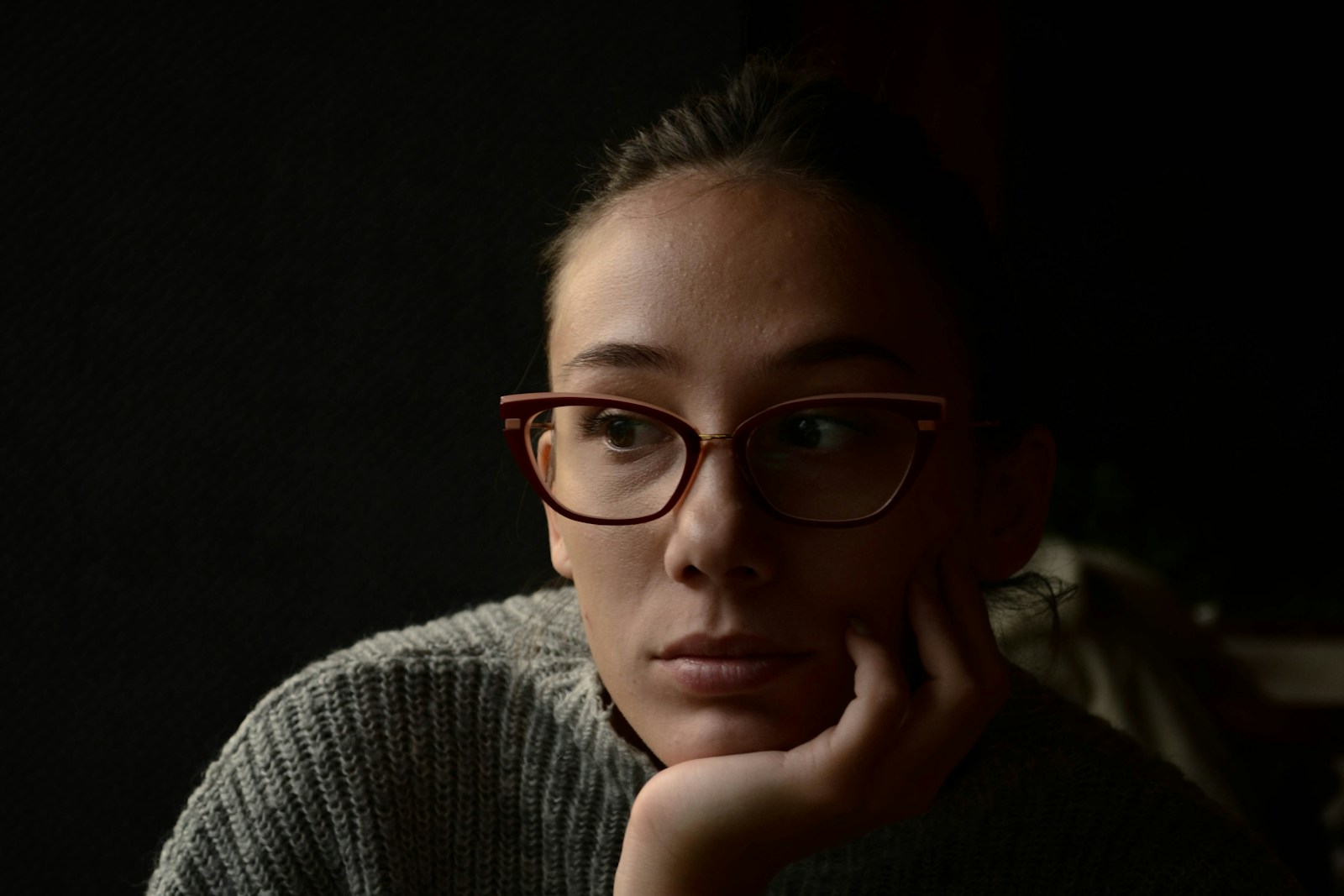
For many, the bond between a mother and child is a sacred connection, a source of love and support to weather life’s storms. For one woman, however, her mother was the very foundation of her suffering. Trapped in a tumultuous relationship filled with emotional and physical abuse, she spent her childhood not as a carefree girl but as a caretaker of her mother’s emotions while grappling with her own chronic illnesses. In a powerful retrospective, the woman described her experiences on a public platform, illuminating a dark reality many may wish to ignore.

The woman’s early life was marred by her mother’s unpredictable temperament. “She’s the only reason why you’re ill. She’s the only reason why you grew up so fast, and developed depression and a chronic, painful mental illness since you were young,” she wrote. This wasn’t just an emotional strain; it was a battle for survival, where every day felt like a precarious balancing act. Family and friends routinely praised her maturity, but behind the facade lay years of trauma that no compliment could soothe.
As a child, she became adept at managing her mother’s emotional outbursts, constantly walking on eggshells. The woman described how even the slightest misstep could provoke violent reactions. “But the moment you snapped back, all hell broke loose,” she confessed, revealing the deep-rooted fear that kept her silent. To the outside world, she was a model daughter, well-behaved and poised, but the reality was far from idyllic.
Behind closed doors, she endured beatings disguised as discipline and faced the cruel reality of starvation, dictated by her mother’s moods. “Sometimes you starve, it depends on her mood,” she shared, painting a picture of a home life fraught with insecurity and fear. Each moment was laced with the understanding that her very existence was contingent on her mother’s whims. Despite the abuse, she continually rationalized her mother’s behavior, recognizing that her mother was the one who provided for her, even as she inflicted pain.
The juxtaposition of being a dutiful daughter and a victim of abuse has weighed heavily on her. “Nobody cares if you’re in agony,” she lamented, highlighting a distressing lack of understanding from those around her. Friends and family, she felt, were quick to dismiss her suffering with platitudes like, “She’s still your mother” or “She didn’t mean it,” forcing her into a position where she felt guilty for her rightful anger and resentment.
The woman detailed how this emotional turmoil manifested in her health, leading to chronic illnesses that kept her in and out of doctors’ offices for ongoing bloodwork. “You’re always exhausted and pale like a corpse,” she described, emphasizing the toll her difficult upbringing has taken on her physical well-being. Despite her struggles, the expectation to care for her mother loomed large, making the idea of severing ties feel impossible. “You wonder if you’ll even survive that long,” she reflected, caught in a web of obligation and despair.
As her story resonated with readers, many were drawn to the intense emotional conflicts she faced. While some commenters echoed her sentiments about the complexities of familial love and the guilt that accompanies thoughts of abandoning a toxic parent, others leaned into the darker reality of her experiences. A great many were shocked by the idea that a parent could invoke such fear and pain, only to be celebrated for their role as a provider. “Love good moms, bad moms or bad dads are simply recipes to make depressed youth or dangerous criminals,” she wrote, a stark reminder that love alone doesn’t excuse harmful behavior.
Though the poster’s narrative is harrowing, it has fostered a sense of community among those who have shared similar experiences. Readers have expressed solidarity, with many recounting their own turbulent relationships with parents marked by emotional or physical abuse. As these conversations unfolded, it became clear that the poster’s struggle resonates with a broader audience—one that grapples with the complex tapestry of love, obligation, and the scars of the past.
Ultimately, the woman’s story serves as a poignant reminder of the complexities of maternal relationships and the emotional toll they can take on a child. As she continues to navigate her relationship with her mother, her reflections challenge the narrative of unconditional love that often surrounds motherhood. Her experiences raise critical questions about the nature of family dynamics, the pain of feeling trapped, and the silent battles many fight in the shadows.
More from Willow and Hearth:
Leave a Reply