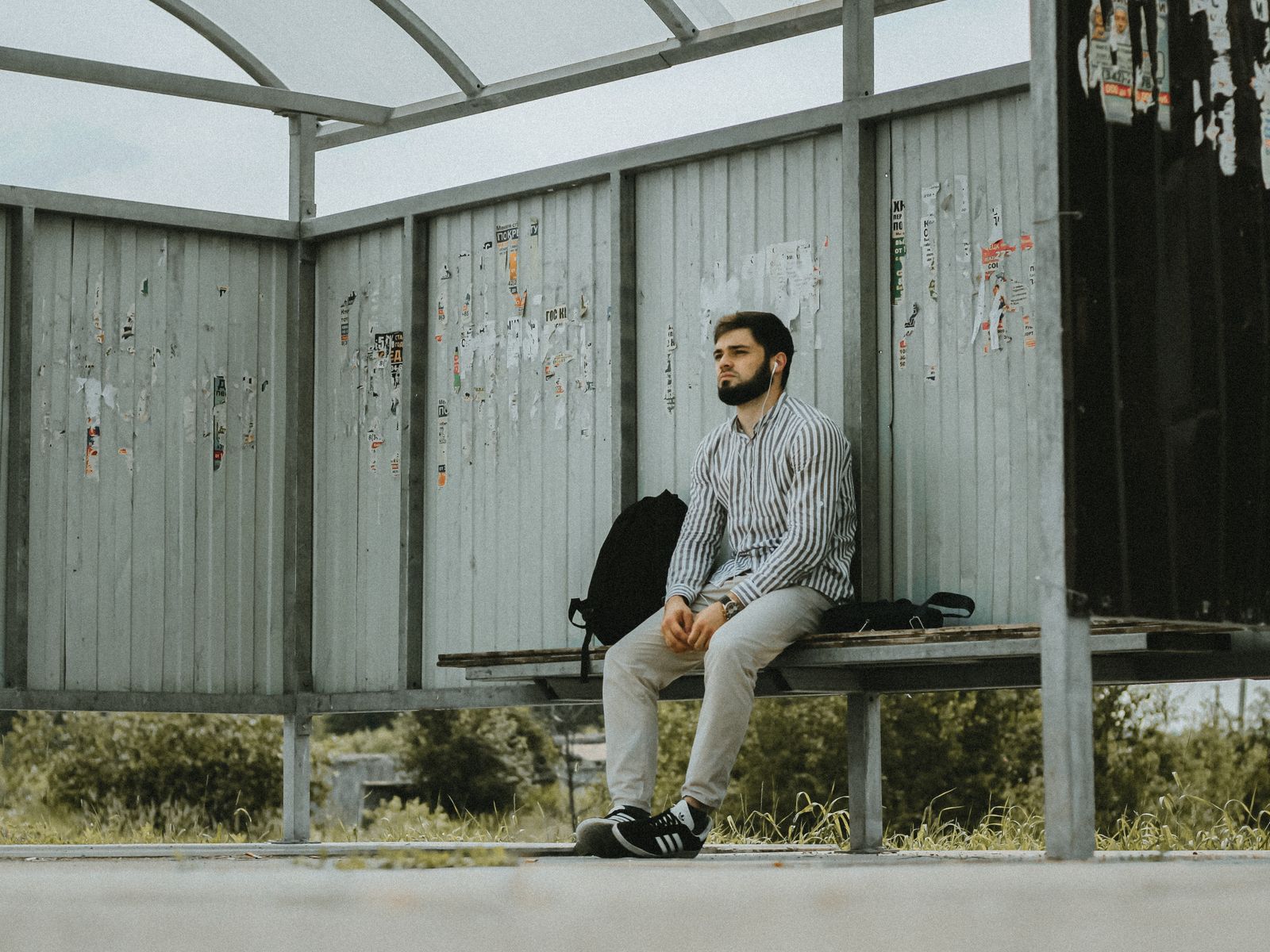
A young man is grappling with deep-rooted family conflict and issues of identity, as he faces constant mockery from his white mother for his Guatemalan heritage. The poster, who identifies as a mix of white and Guatemalan, describes a painful home life where his mother openly expresses disdain for Hispanics, calling them “ugly” and “unhygienic.” This toxic dynamic has left him yearning for a connection to his birthplace, Guatemala, feeling like he would rather navigate life in its streets than endure the stigma he faces at home.
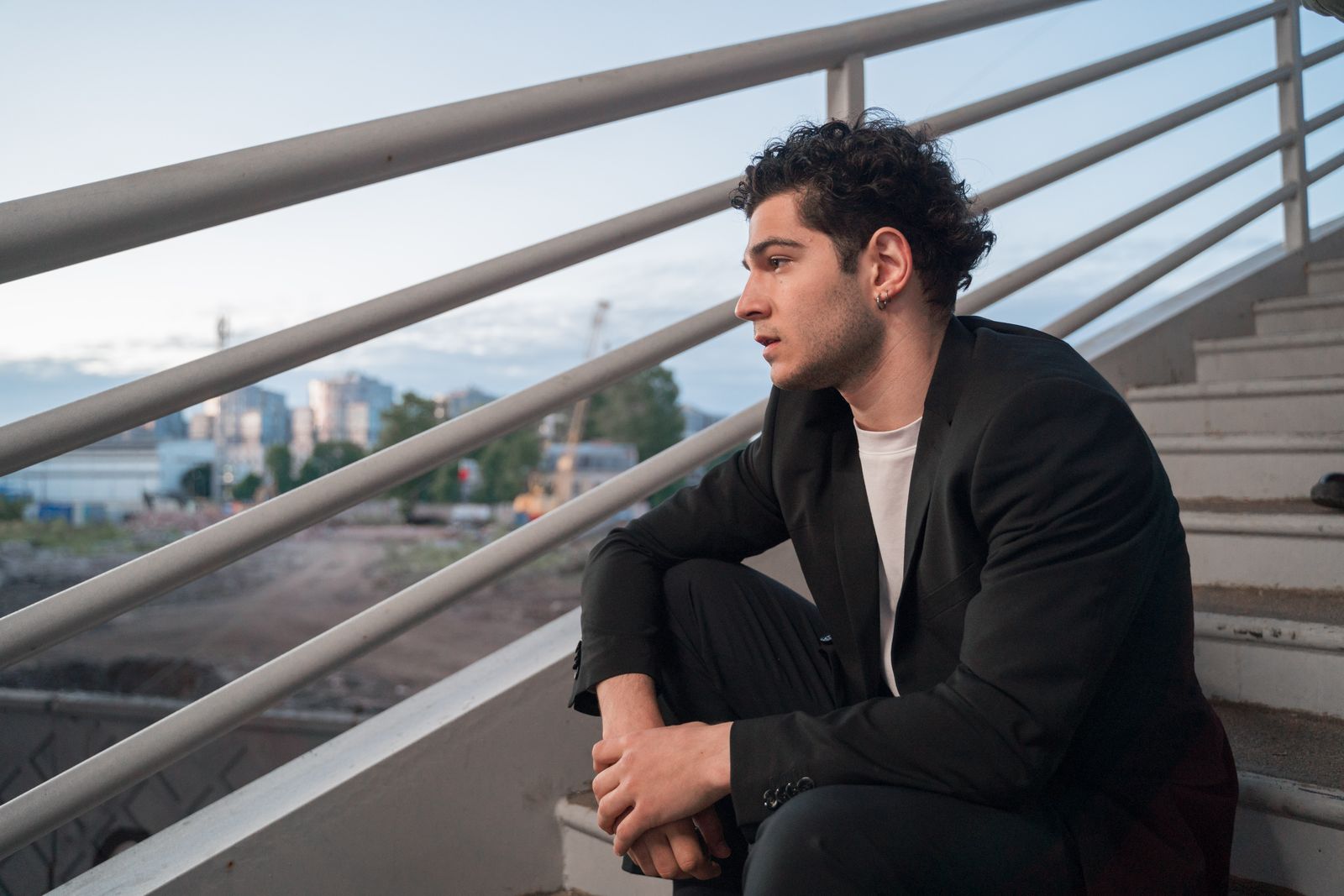
The poster’s struggles begin with his name, Alejandro—a name his mother ridicules as a “breadseller name.” According to her, it would hinder his chances of finding employment. This negative reinforcement extends to many aspects of his identity; she is disgusted by the mere sound of Spanish and reacts with anger whenever he speaks it. “Just the sound of speaking Spanish sends her into an uncontrollable rage,” he recounts, detailing moments where her fury escalates to glaring or gesturing him away from other Latino families in public settings.
In one poignant recollection, while visiting a greenhouse, he watched a Spanish-speaking family radiate joy and connection, a stark contrast to his own experiences. Overwhelmed with emotion, he found himself longing for a sense of belonging that he feels is absent in his current life. “I wish I could’ve been born into that instead,” he shared, reflecting the deep desire for a supportive community similar to the one he observed.
The tension escalates further when it comes to clothing choices. His mother disapproves of any apparel she deems stereotypically Latino, such as Barcelona jerseys and Adidas gear. This policing of his personal expression leaves him feeling stifled and humiliated, often resulting in her refusing to stand by him in public, labeling him an embarrassment. Her words cut deep as she comments on his appearance, calling him ugly—a term that clearly leaves emotional scars.
As the poster navigates his teenage years and the complexities of self-identity, he finds himself wishing more than ever to return to Guatemala, declaring, “You could drop me off in zone 18, and I’d be happier there than here.” This longing speaks volumes about the disconnect he feels with his mother’s values and the culture he wishes to embrace. The weight of his desire for acceptance is almost palpable, leaving readers with a vivid picture of the struggles of navigating a biracial identity in an unsupportive environment.
While many readers weighed in on the harshness of the mother’s treatment, most were struck by the depth of the poster’s pain. Comments focused heavily on the mother’s blatant racism and how it affected their relationship. Users expressed disbelief that a parent could treat their child in such a demeaning manner over something as intrinsic as culture and ethnicity. The situation has called attention to not only the personal aspects of identity but also the broader implications of family acceptance.
Some readers emphasized the urgent need for support outside of family dynamics, suggesting the importance of finding a community that embraces him for who he is. The heartfelt reactions reveal a broader concern for the emotional well-being of young people caught in similar situations, filled with feelings of isolation and rejection. The poster’s story resonates with anyone who has grappled with issues of belonging and the challenge of reconciling one’s identity in an unsupportive environment.
As this young man comes to terms with his identity and the painful relationship he has with his mother, the path ahead remains uncertain. With a deep longing for connection to his heritage and unresolved anger towards his upbringing, he faces the daunting task of carving out a sense of self-worth in a world that often dismisses him. The question remains: how will he navigate this complex landscape, and will he ever find the acceptance he so desperately seeks?
More from Willow and Hearth:
Leave a Reply