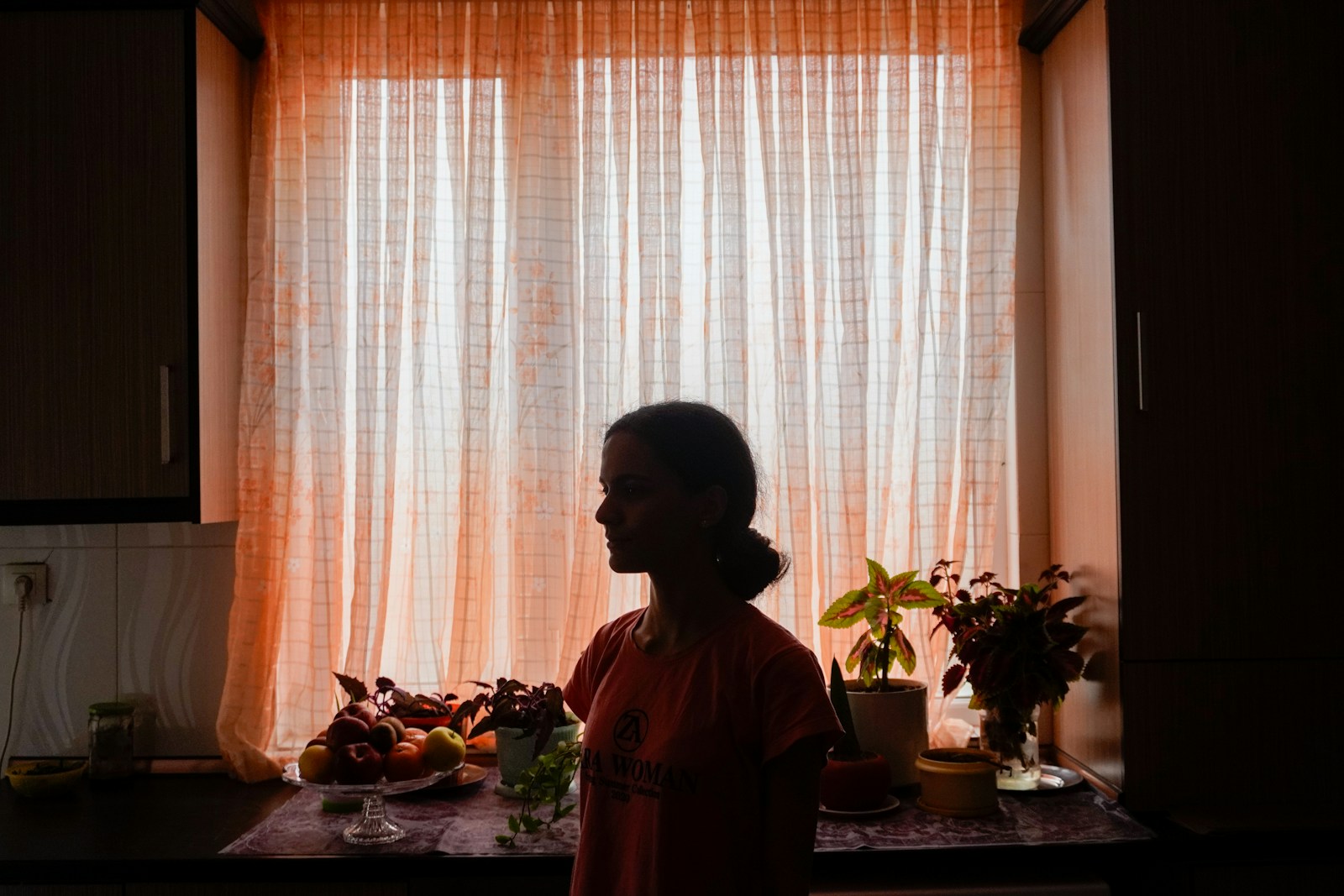
In a tale that resonates with anyone who has ever felt underestimated, one young adult’s journey from a stigmatized home life to independent living in Japan showcases the stark contrast between parental expectations and personal capability. The tenant, having faced a lifetime of derision from her narcissistic parents, has emerged not only self-sufficient but thriving in a foreign nation.

The story begins with the tenant reflecting on her upbringing in the UK, where her narcissistic parents consistently reiterated that she was incapable of basic life skills. “You are too stupid to live on your own and take care of yourself,” they often insisted, framing their control as a burden. This oppressive narrative followed her into adulthood, when her accomplishments were belittled, and her cousin—whom they hailed as the “Golden Child”—was celebrated for mere survival skills.
At 27, the tenant decided to break free from her parents’ grasp, moving to Japan. Arriving in a new apartment without even a bed, she was met with mockery from her family. “Hahaha what are you gonna do now, sleep on the floor? Hahahah,” they teased. Instead of succumbing to their derision, she took charge, ordering a mattress and assembling furniture with ease, proving that the skills her parents dismissed as beyond her reach were indeed quite manageable.
As she settled into her new life, she was pleasantly surprised by how simple cooking could be. “Turns out, cooking isn’t hard, you just mix stuff and let the oven/stove do the rest,” she noted, highlighting a newfound enjoyment in what had once been a source of anxiety. Her daily routine included not just preparing meals but also managing her living space, where her cleanliness earned her the admiration of her landlord. Upon a visit for repairs, he complimented her on how “spotless” her apartment was—a stark contrast to the chaos her parents had claimed would ensue if she lived independently.
In addition to mastering household tasks, the tenant also secured a successful finance career over five years, a feat met with skepticism by family members who claimed she had done “absolutely nothing.” Her experience in the corporate world contradicted the narrative her relatives had spun, and her achievements only served to deepen the rift between her and their expectations.
As she embraced her independence, she noted how her upbringing had instilled an unfounded fear of the outside world. Her parents had nurtured a belief that life beyond their home was a treacherous landscape she couldn’t navigate without them. Yet, living in Japan, she discovered that daily self-care—something once scrutinized by parental judgment—had become second nature. “I shower and shave every day, and so far, it hasn’t been a problem with friends or dates,” she shared, emphasizing how her self-sufficiency was blossoming in her new environment.
Reactions from readers largely focused on the stark contrast between her parents’ assertions and her actual abilities. Many expressed admiration for her courage in moving to another country and challenged the narrative her family had constructed about her capabilities. There was a notable sense of solidarity among those who had also faced similar familial pressures, with some sharing their own journeys of breaking free from limiting beliefs.
However, the comments also turned to the absurdity of the comparisons made by her family. Readers found it hard to fathom how her cousin—a young woman barely graduating high school and living at home—was deemed “independent” while the tenant was dismissed despite her significant accomplishments. This incongruity underscored the complexity of family dynamics and how they can distort perceptions of success and worthiness.
As she continues to navigate adult life, the tenant’s narrative serves as a compelling reminder that the voices of doubt from those closest to us can be misleading. Living alone in Japan has illuminated the truth: her worth and capabilities were never in question; rather, they had been deliberately obscured by a toxic familial environment. This journey of self-discovery and empowerment leaves the lingering question of how her family will react to her burgeoning independence moving forward.
More from Willow and Hearth:
Leave a Reply