
A tense family dynamic is at the center of a dramatic conflict for one mother facing a backlash from her husband as she attempts to protect her children from a problematic grandmother. The poster, a dedicated wife and mother, has been struggling with her mother-in-law’s entitlement and passive-aggressive behavior, leading her to keep her children away from the matriarch. Her husband, however, sees it differently, pressuring her to confront his mother directly to resolve what he perceives as her misinterpretations.
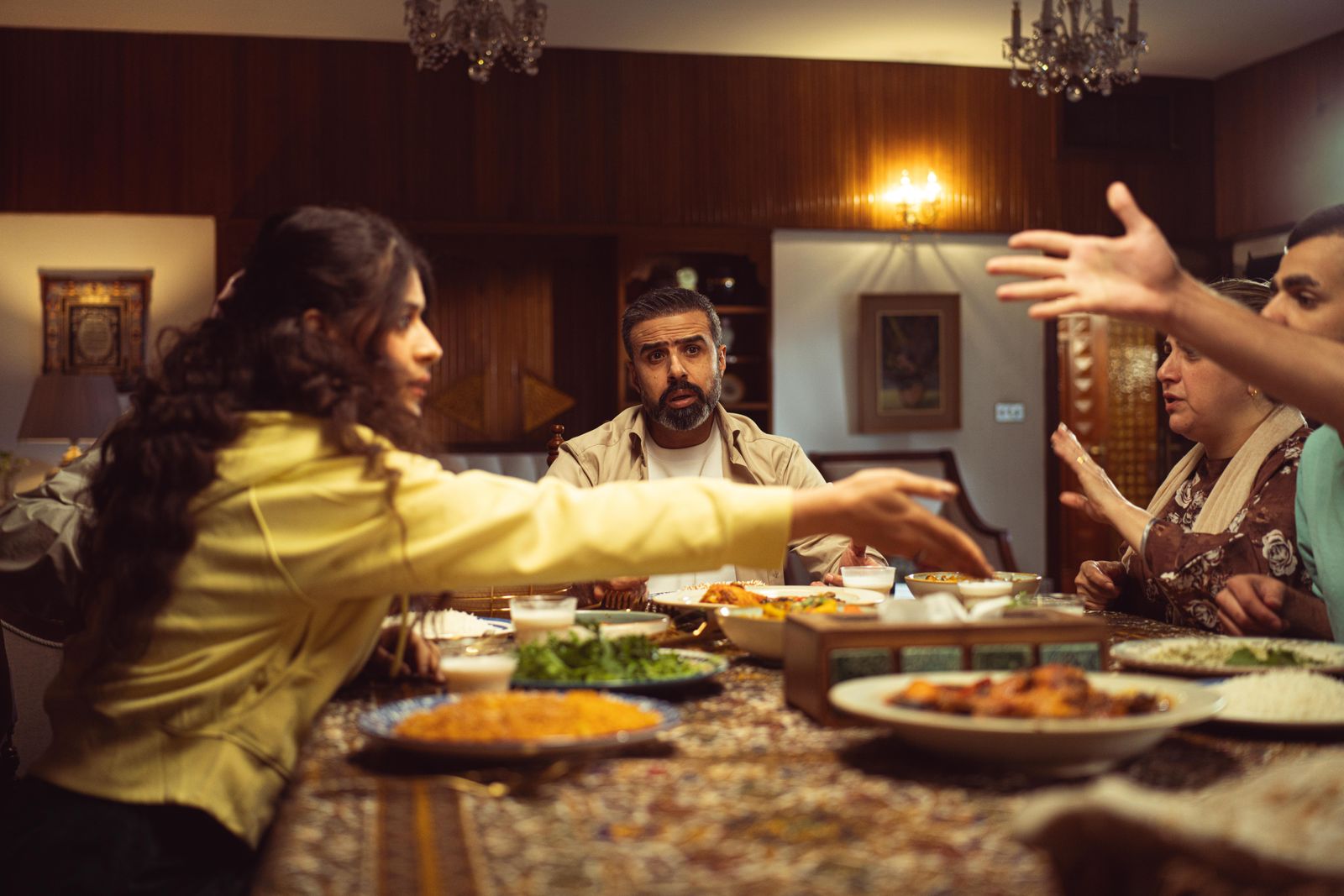
The argument began when the mother expressed her strong feelings about maintaining distance from her mother-in-law, citing specific behaviors that had made her uncomfortable. Among these were the mother-in-law’s competitiveness over childcare and endless power moves that seemed to undermine the poster’s role as a mother. Her husband, rather than empathizing with her concerns, suggested that confronting his mother was the necessary step forward. This demand felt like a betrayal to the poster, who believed their relationship was at stake.
“When I tell him about the behaviors I’ve witnessed, it feels like he excuses her behavior or tells me that I’m misinterpreting it,” she shared, revealing the emotional strain this issue has created within their marriage. Despite acknowledging the potential benefits of couple’s therapy, her husband has made it clear that if there are no changes in her stance, he might consider ending the marriage. His ultimatum left her feeling anxious and unsupported.
The crux of the issue appears to revolve around a fundamental disagreement over family dynamics. The mother-in-law’s past interactions have left deep impressions on the poster, who feels that her husband is insensitive to her feelings and the well-being of their children. She describes the situation as a troubling power balance where she is expected to yield, which only heightens her discomfort.
As the argument unfolded, readers began to weigh in on the situation, acknowledging the multifaceted nature of such familial conflicts. Some focused on the emotional toll an inconsiderate relative can take on family relationships, while others questioned the husband’s approach, suggesting that loyalty to a parent should not come at the expense of a partner’s mental health. They highlighted the potential damage that could be done to the family structure if the mother-in-law’s negative dynamics continued unchecked.
The overwhelming reaction from others zeroed in on the mother’s need for validation and support from her spouse. Many pointed out that the husband’s insistence on her confronting his mother directly seemed less about resolving conflict and more about maintaining familial ties at her expense. This sentiment resonated with readers who had experienced similar struggles in their own families, contributing to a broader discussion about boundaries within the family unit.
As the poster contemplates the future of their relationship, she is left grappling with feelings of isolation and uncertainty. The ultimatum from her husband brings the stakes to a painful peak; if she does not change her boundaries regarding his mother, their marriage may be in jeopardy. The situation places her in a difficult position, torn between her maternal instincts and the pressures of marital obligations.
The unresolved tension not only speaks to the complexities of navigating familial relationships but also foreshadows a potential upheaval in the family dynamic if matters remain unaddressed. With couples therapy on the horizon, the poster can only hope for a resolution that honors both her well-being and her husband’s need for family connections.
More from Willow and Hearth:
Leave a Reply