A Beautiful Place, Reduced to a Waiting Game
Mark Johnson still remembers Altadena the way it looked before January 2025: shaded streets, a home he calls “a beautiful place,” and no reason to think an insurance claim would ever take longer than a home repair itself. Then the Eaton Fire took the house, and what followed was nine months of rotating adjusters, partial advances, and a settlement that didn’t land until just before Thanksgiving of that year, according to NPR. “I was on the verge of leaving money on the table just to get some kind of assurance,” he told the outlet. When the check finally came, he said, “it was a huge relief.” He is one of thousands still describing 2026 not as a rebuilding year, but as a waiting year.
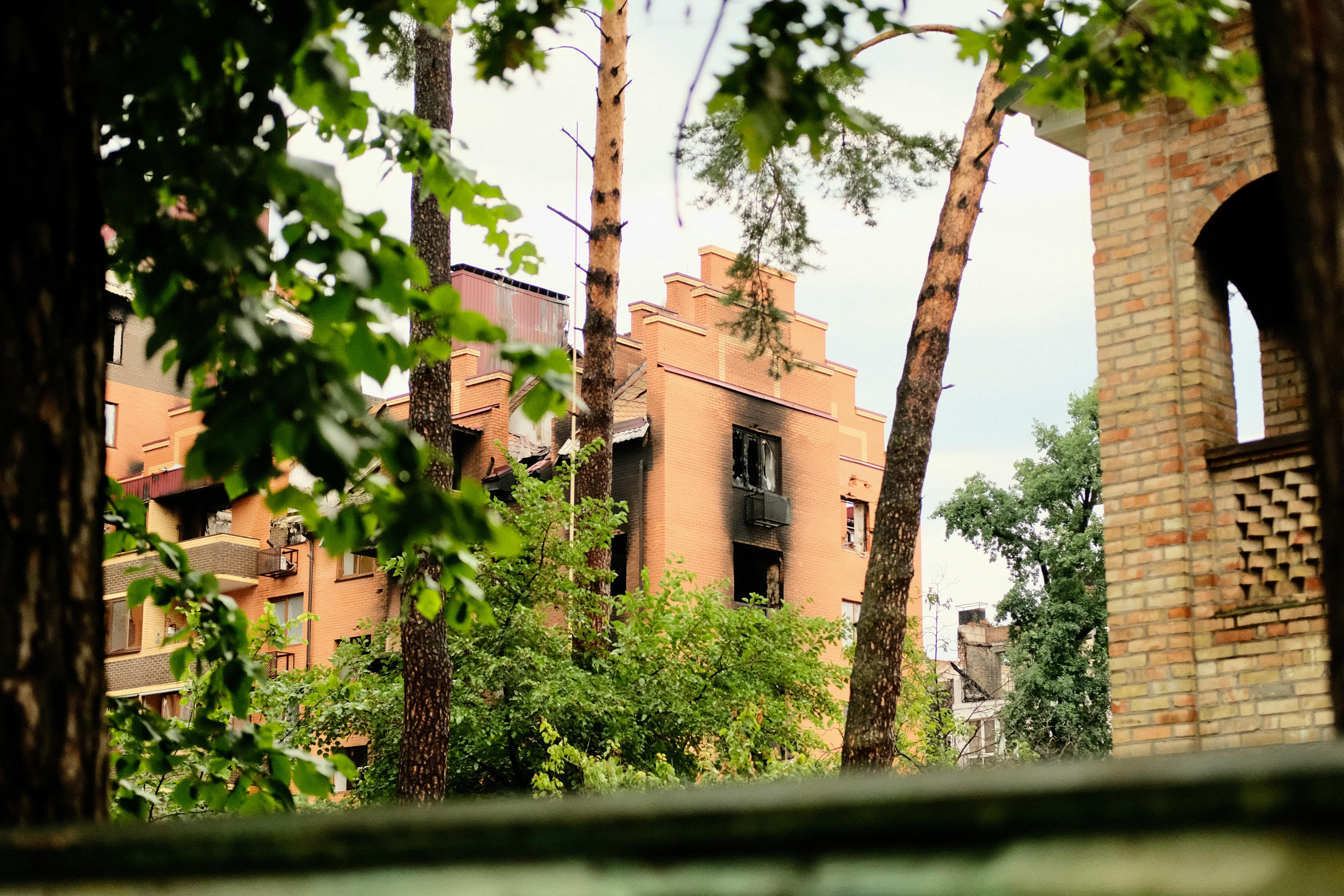
More than a year and a half after the Palisades and Eaton fires tore through the Los Angeles area, destroying more than 16,000 structures in what became one of the costliest fire disasters in the country’s history, the region’s recovery is still being measured less in framed houses than in claims still open. According to CalMatters, roughly 70% of survivors had not returned home a full year after the fires, and 79% reported ongoing financial hardship tied directly to the disaster. The insurance industry had paid out about $22.4 billion of an expected $40 billion in total claims as of this year, per the same investigation, meaning tens of thousands of families were still owed money for homes that no longer exist.
The delays have not fallen evenly. In Altadena, an estimated 65% of residents remained in temporary housing as of early this year, and in Pacific Palisades the figure was closer to 75%, according to CalMatters’ reporting. Andrew Wessels, an Altadena homeowner still fighting over lead contamination claims tied to the fire, put it bluntly to NPR: “We’re here almost a year later, and we haven’t taken one step forward.” Fellow Altadena resident Krista Copelan, dealing with smoke and lead damage of her own, described the process the same way: “It’s 100% trying to figure it out, fighting every step of the way.”
Joy Chen, executive director of the Eaton Fire Survivors Network, has spent the past year watching which families recover and which don’t, and she says the difference often comes down to which insurer they had. “Around February or March, I realized that whether a family was recovering or not depended largely on which insurance company they were with,” she told NPR. Her read on why some families waited so long for money they were contractually owed is unsparing: “This shows they could have paid all along, and they didn’t pay because they never had to.”
That dynamic became public in a more formal way after Los Angeles County opened an investigation into State Farm’s claims handling. Only after that inquiry began in mid-November did a wave of policyholders, Johnson among them, start seeing checks arrive, according to NPR’s reporting. State Farm has since paid more than $5 billion to over 13,500 customers tied to the fires, while California’s FAIR Plan, the insurer of last resort for high-risk properties, has paid out roughly $3.5 billion across about 5,400 claims, per CalMatters. Those numbers sound large until they are set against the scale of the loss: entire blocks in Altadena and the Palisades remain empty lots, cleared of debris but not yet rebuilt, because the money to rebuild has not caught up with the need.
Angela Giacchetti, an Altadena resident whose home was damaged but not destroyed, told CalMatters her family paid nearly $200,000 out of pocket to repair smoke and structural damage after the FAIR Plan denied parts of her claim. Multiply that story across a neighborhood and the picture becomes clearer: even survivors whose houses are still standing are financing their own recovery while insurers sort out what they owe.
The human cost shows up in the numbers CalMatters gathered from its survivor survey: about half of respondents said they had depleted their savings, and about half said they were worried about their mental health as the process dragged on. State lawmakers have responded with new bills aimed at forcing faster, fairer payouts, and Governor Gavin Newsom has publicly warned lenders and insurers that survivors deserve timely settlements, not another year of limbo. For families like Johnson’s, the legislation is a start, but it does not undo the calendar. A fire that took minutes to destroy a home has, for many, taken more than 600 days and counting to even begin to make right.
What is emerging from Altadena and the Palisades is less a single story of recovery than dozens of parallel ones, each moving at the speed of a different claims department. Until the payouts catch up with the losses, the neighborhoods themselves stay frozen in the moment the fire left them: cleared lots waiting for permits, families waiting for checks, and a housing market waiting to see whether these communities come back at all.
Leave a Reply