
Ty Pennington is back on ladders and job sites for a seventh season of “Rock the Block,” and Christina Haack, Tarek El Moussa, and Heather Rae El Moussa are returning for a second season of “The Flip Off,” according to Deadline and Variety, both of which confirmed the renewals through the network’s own announcements. “Rock the Block” season 7 premiered in April with seven new episodes, and HGTV has also renewed “Renovation Resort Showdown” for a third season and “Battle on the Beach” for a fifth, keeping its flipping-competition slate as full as ever heading into 2026.
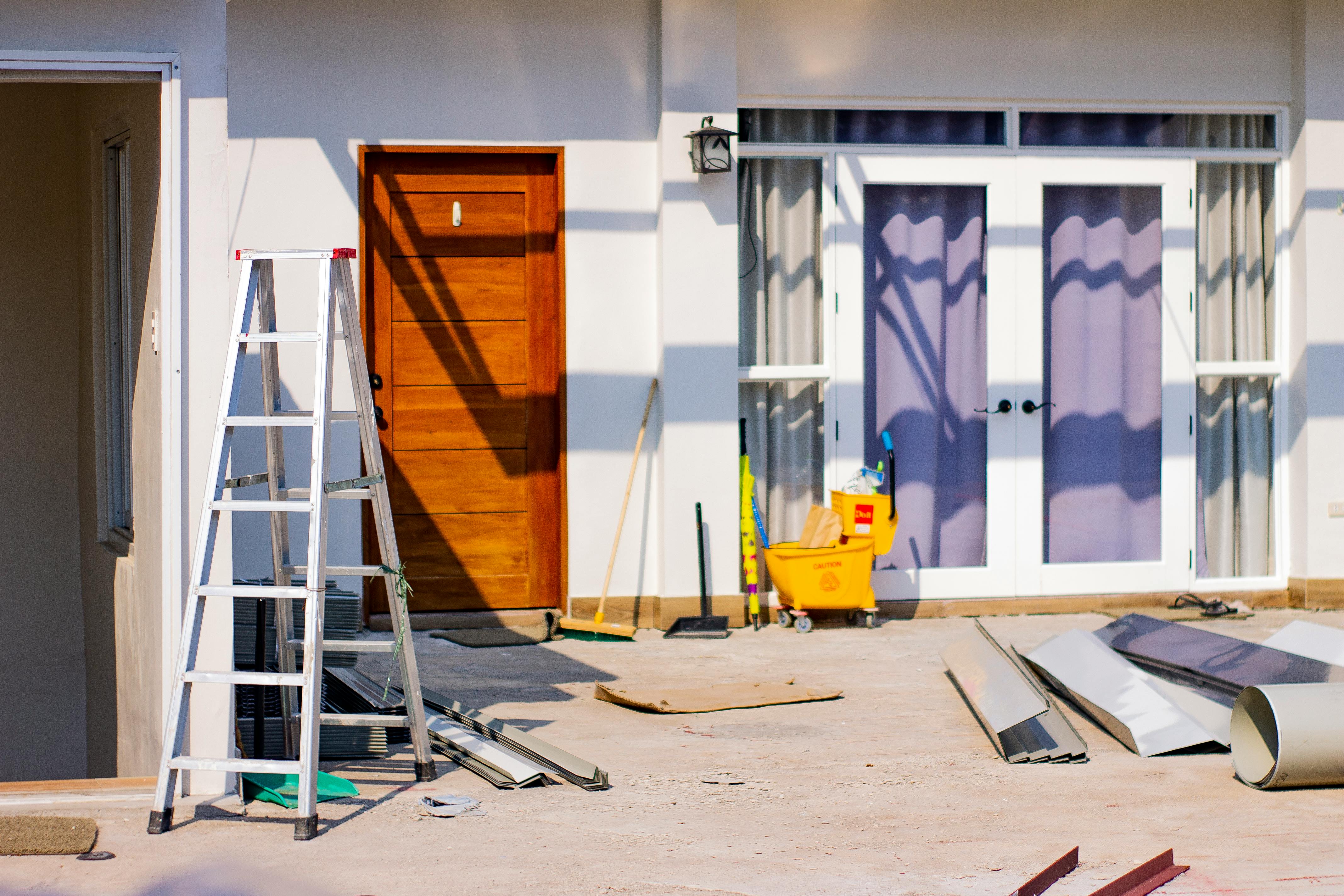
If you only watched HGTV, you would assume flipping houses has never been easier or more profitable. Contestants gut kitchens in a weekend, reveal six-figure profits by the finale, and move on to the next build with barely a pause. The actual market these shows are supposedly reflecting tells a different story, and the gap between the two has been widening for a while now.
According to ATTOM Data Solutions’ first-quarter 2026 report, investors flipped 64,348 single-family homes and condos in the first three months of the year, down from 69,711 in the previous quarter and 70,579 in the first quarter of 2025. Flips accounted for just 8% of all home sales nationally, a slight dip from 8.2% a year earlier. The typical profit margin did tick up slightly to 25.4%, and gross profit rose to $66,000, but both figures remain well below where they stood a year prior — profit margin was 29.6% and gross profit was $74,172 in the first quarter of 2025. ATTOM CEO Rob Barber called the modest uptick “the first increase in flipping returns in nearly two years,” which is a notably cautious way of describing a market that is still shrinking overall.
Flippers are also taking longer to get the job done. The average time to flip a home rose to 165 days in the first quarter, up from 160 days the quarter before, according to ATTOM’s data. That is a meaningful gap from the tight, weeks-long turnarounds that reality competition formats compress into an hour of television. Higher borrowing costs, slower buyer demand in many metros, and pricier materials have all squeezed the margins that made flipping an attractive side hustle for so many investors during the pandemic-era boom, and none of that pressure has fully let up.
None of this means HGTV is doing anything wrong by renewing its hits. “Rock the Block,” “The Flip Off,” and their sibling shows are entertainment first, built around personality, competition, and reveal-episode drama rather than a documentary account of what a flipper’s spreadsheet actually looks like right now. Networks renew what performs, and these franchises clearly still pull an audience regardless of what the underlying real estate market is doing. That’s not a scandal. It’s just how reality TV timing tends to work: the genre lags the market it is nominally about, sometimes by years, because production pipelines, contestant casting, and season orders move on entirely different schedules than mortgage rates and investor appetite.
Still, the contrast is worth sitting with if you are someone who has ever watched one of these shows and wondered whether flipping is something you could actually pull off. The days-on-market and margin numbers coming out of ATTOM suggest a market that rewards patience and cash reserves more than the quick-turn bravado these shows are built around. Investors who are still active tend to be the ones buying in the $100,000 to $200,000 range, where ATTOM found returns as high as 32%, while flips on the cheapest properties, those under $50,000, are actually losing money on average. That is a far more granular and far less cinematic picture than anything you’ll see on a Sunday-night marathon, and it’s the one that matters if you’re deciding whether to put your own money into a fixer-upper rather than just watching someone else’s on television.
The Gap Between Screen Time and Spreadsheet Time
Part of what makes the mismatch so persistent is production timing. A season of “Rock the Block” or “The Flip Off” is greenlit, cast, filmed, and edited months before it airs, often against a market snapshot that’s already outdated by the time viewers see the finished renovation. ATTOM’s own quarterly reports, by contrast, track real closings as they happen, which means the two data sets are almost never describing the same moment in the market even when they’re airing and publishing in the same calendar year. For anyone using these shows as a genuine benchmark for what flipping actually pays right now, the ATTOM numbers, not the reveal episode, are the ones worth trusting.
Leave a Reply