
About 10% of home appraisals now come in below the agreed-upon contract price, according to industry data reviewed by HomeLight, and when that happens, the deal doesn’t automatically fall apart. Instead, buyers and sellers are increasingly reaching for one specific fix: splitting the difference between what the buyer agreed to pay and what a licensed appraiser says the house is actually worth.
An appraisal gap sounds like a technicality until you’re the one staring at it a week before closing. A lender won’t finance more than a home’s appraised value, so if you agreed to pay $420,000 for a house that comes back appraised at $400,000, someone has to cover that $20,000 difference in cash, or the whole transaction can collapse.
Why Gaps Still Happen Even in a Calmer Market
You’d expect appraisal gaps to have mostly disappeared as the frantic bidding wars of 2021 and 2022 faded. To some extent, they have. HousingWire’s 2026 coverage of the appraisal industry notes that low appraisals have become less frequent as home price growth has moderated and buyer competition has cooled in much of the country.
But gaps haven’t vanished, because plenty of homes are still selling above their list price. The National Association of Realtors’ Realtors Confidence Index found that 16% of properties sold above list price in December 2025, and the same survey found that 6% of contracts with a delayed settlement cited appraisal issues as a factor, up slightly from 5% a year earlier. Any time a buyer agrees to pay more than a home’s list price to win it, there’s a real chance the appraisal won’t stretch that far.
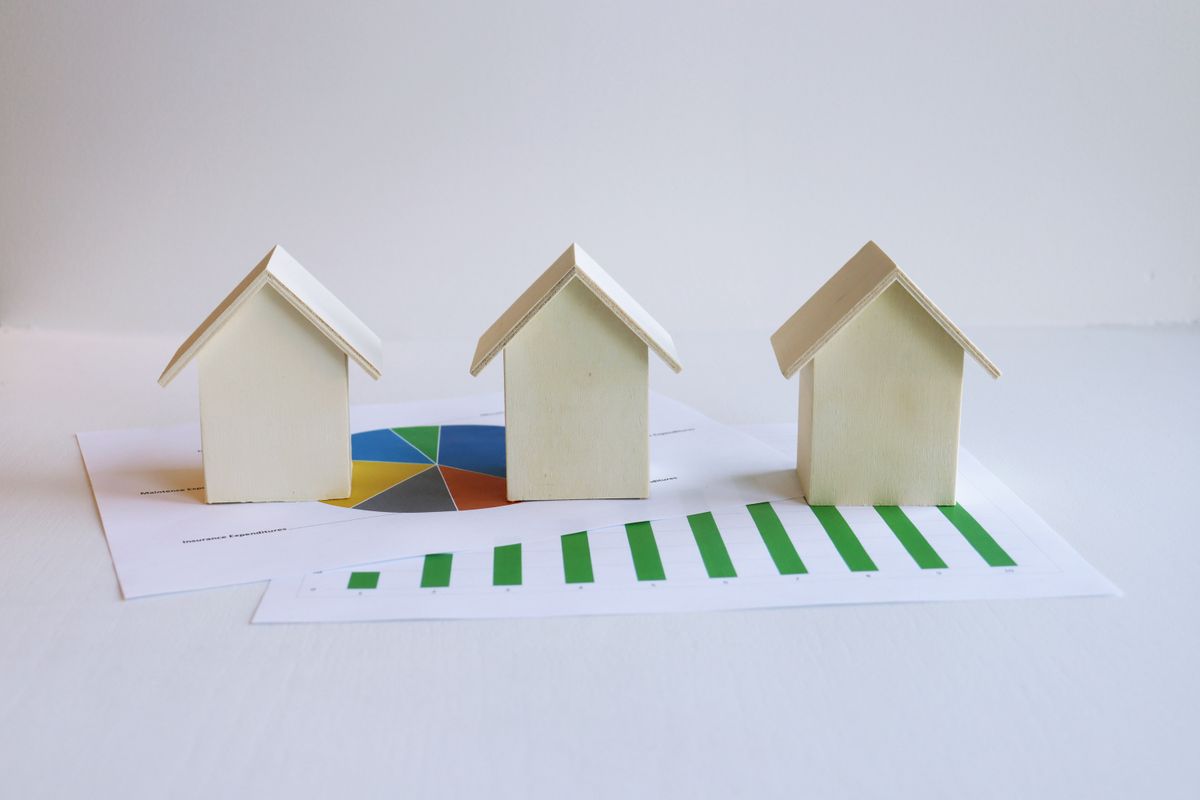 photo credit: unsplash
The Options When the Number Comes Back Low
Once an appraisal misses the contract price, there are really only a handful of paths forward, and none of them are pleasant. The buyer can cover the entire gap in cash out of pocket, which only works if they have the extra funds sitting around after already budgeting for a down payment and closing costs. The seller can agree to lower the price to match the appraised value, which means eating the loss themselves. Or the two sides can meet in the middle, with the seller dropping the price partway and the buyer bringing extra cash to cover the rest.
That third option, splitting the difference, has become the default compromise in a lot of transactions because it lets both sides avoid the worst outcome. A buyer who walks away loses the home and possibly their earnest money if they don’t have an appraisal contingency. A seller who refuses to budge risks having to relist the property, disclose the failed appraisal to future buyers, and start the entire process over in a market where buyers already have more leverage than they did a few years ago.
Contingencies Are Making a Comeback
During the height of the pandemic buying frenzy, plenty of buyers waived their appraisal contingency entirely just to make their offer more competitive, agreeing upfront to cover any gap no matter how large. That practice put buyers at serious financial risk if an appraisal came back significantly under contract price.
With bidding wars less common now than they were a few years ago, real estate agents are steering more buyers back toward including an appraisal contingency in their offers, or at least capping how much of a gap they’ll agree to cover in advance. That shift gives buyers a built-in exit if the numbers don’t work, while still leaving room to negotiate a split if both sides want to save the deal.
Why the Math Still Matters
Appraisers themselves aren’t pulling numbers out of thin air. They’re required to base valuations on recent comparable sales in the immediate area, which means an appraisal can lag behind a fast-moving local market by weeks or months. In a neighborhood where prices are climbing quickly, or where a handful of unusually strong offers pushed one sale price well above the norm, the appraisal and the contract price can diverge even when nothing about the transaction itself was reckless.
That lag is exactly why splitting the difference has staying power as a solution: it acknowledges that the appraisal and the market price are both measuring something real, just from slightly different vantage points, and it lets buyers and sellers share the risk of that gap rather than forcing one side to absorb it entirely.
Leave a Reply