
The typical house flip in the United States earned its investor $65,981 in gross profit in 2025, translating to a 25.5% return on investment — down sharply from 32.1% the year before and the lowest margin recorded since 2008, according to a year-end report from real estate data firm ATTOM. It’s a stark reversal from the post-recession boom years, when flippers routinely bought distressed homes for under $150,000 and pocketed margins as high as 61.1% in 2012.
Investors haven’t abandoned flipping altogether. They completed 297,045 single-family and condo flips in 2025, a 3.9% dip from 2024 and the smallest volume since 2020. Flips now account for just 7.4% of all home sales nationally, down from 7.6% the prior year.
Where the pain is concentrated
The margin collapse hit hardest in mid-size metros that had been flipper favorites. In Ocala, Florida, typical returns cratered from 492.5% to 124.1% year over year. Salisbury, Maryland dropped from 107% to 38.2%, and Spartanburg, South Carolina fell from 94.1% to 48.4%.
Large metro areas weren’t spared. Louisville’s typical margin slid from 66.6% to 40.2%, Oklahoma City fell from 60.8% to 36.8%, and the Washington, D.C. market dropped from 62.9% to 44.3%, per ATTOM’s data.
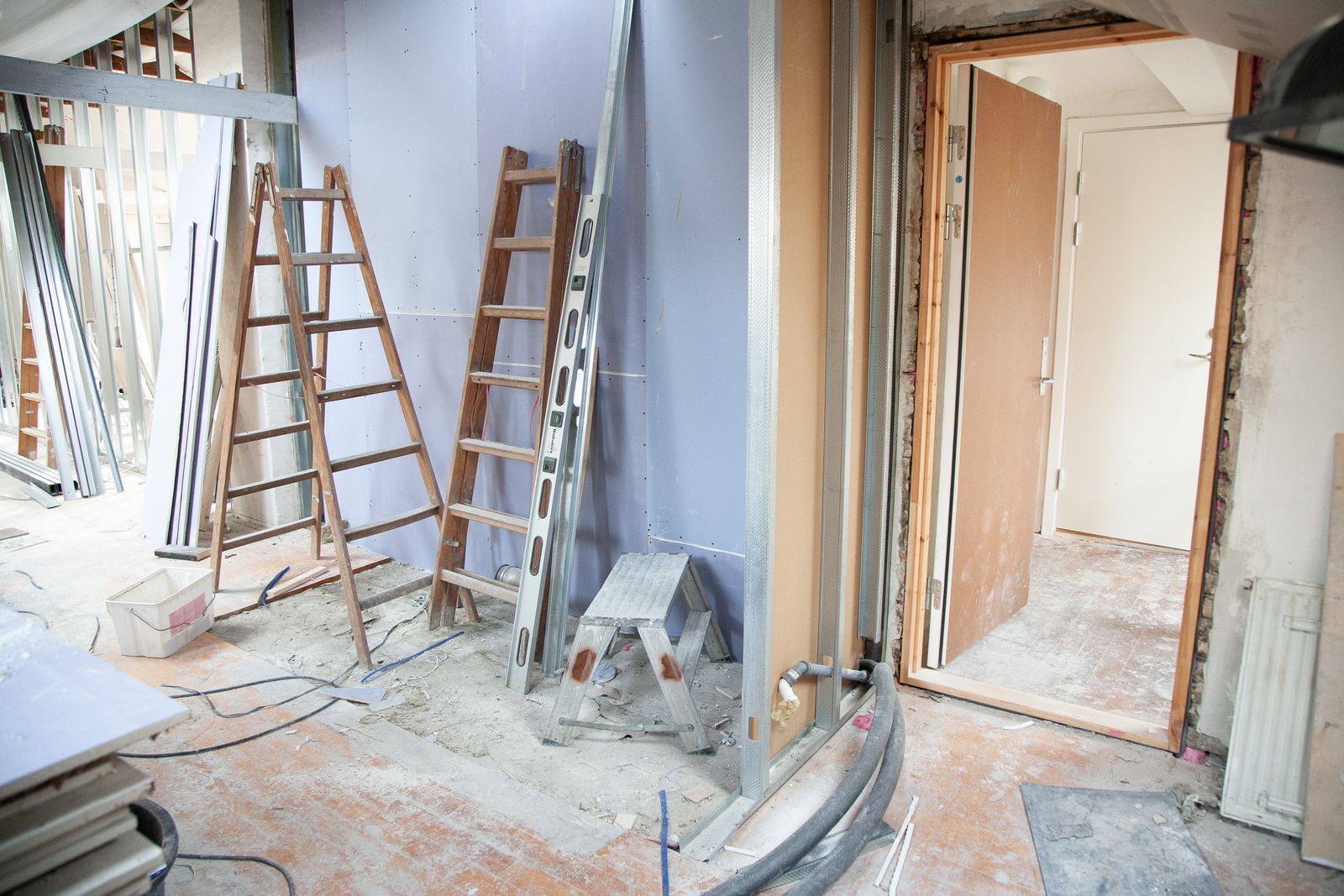 photo credit: unsplash
Riskier plays to keep margins alive
ATTOM CEO Rob Barber said investors are “having to get more creative” to stay profitable, and the data backs that up. The median home flipped in 2025 was built in 1978, the oldest vintage on record for ATTOM’s flipping data, meaning investors are taking on bigger, less predictable renovation jobs just to find inventory cheap enough to pencil out.
The strain shows up in ATTOM’s first-quarter 2026 figures, too. Homes flipped for under $50,000 posted typical losses of 14%, while hold times stretched to 165 days from 160 the previous quarter — extra weeks of carrying costs eating into already-thin returns. Nationally, 61.1% of flips were funded in all cash, up from 59.6% a year earlier, as buyers who remain in the game lean on their own capital rather than take on financing at today’s rates.
Not every investor is walking away. A survey highlighted by real estate trade outlet Inman found 56% of active flippers say lower holding costs would improve their returns the most, and more than half plan to convert at least some projects into rentals instead of selling outright — a hedge against a market where the fast, easy flip of the 2010s no longer exists.
Profits did tick up slightly in the first quarter of 2026, rising to a 25.4% typical margin from 24.7% in the previous quarter, the first increase ATTOM recorded in nearly two years. But with gross profits still roughly $8,000 below where they stood a year earlier, the flipping business that once minted fortunes on foreclosure-era bargains now looks a lot more like ordinary, capital-intensive small business.
Leave a Reply