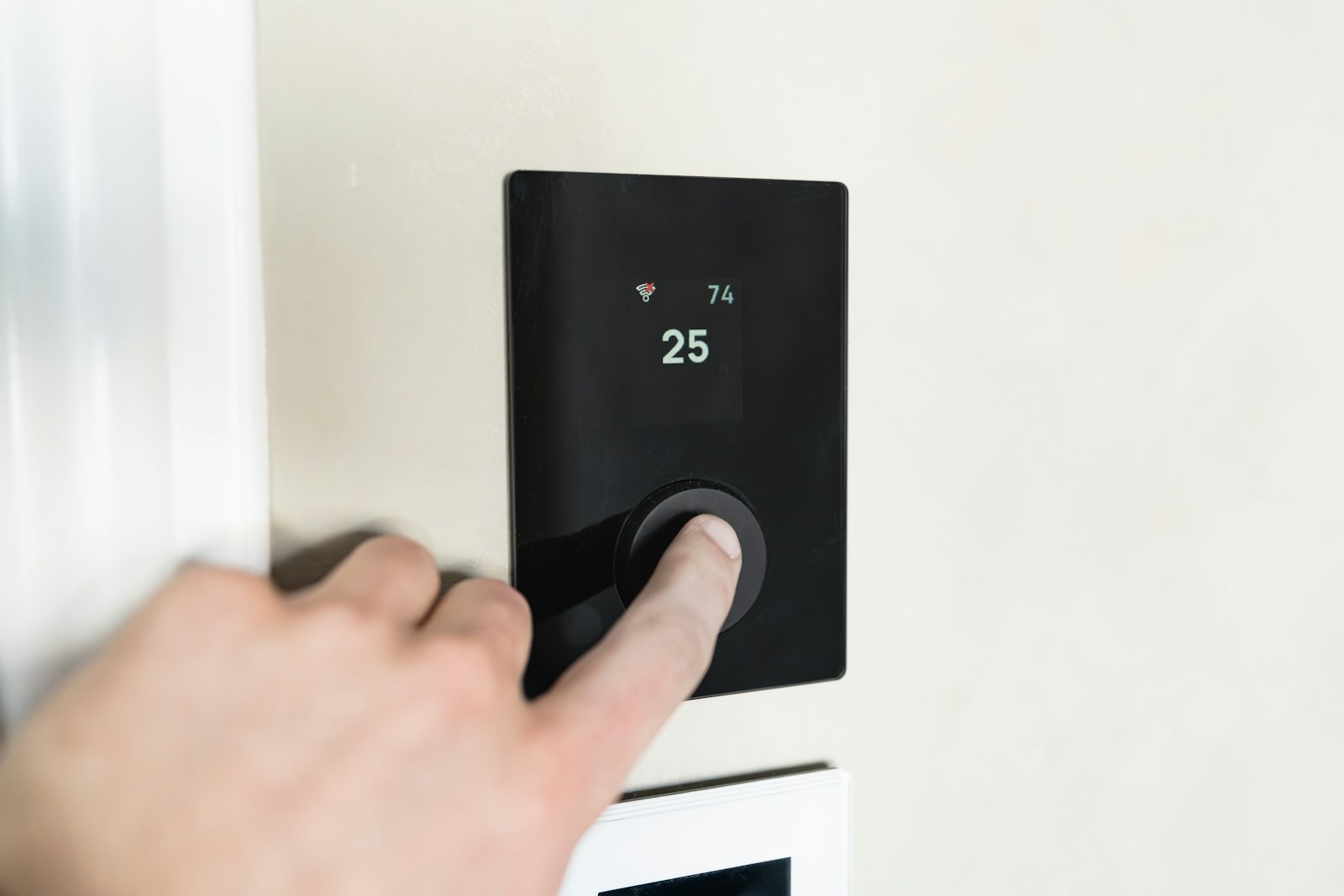
Smart thermostats are marketed with savings claims as high as 26% off heating and cooling bills. A field experiment covering 1,385 households found the devices produced no statistically significant energy savings at all, and researchers say the reason has almost nothing to do with the hardware itself.
The study, “The Human Perils of Scaling Smart Technologies,” was conducted by economists Alec Brandon, Christopher Clapp, John List, Robert Metcalfe, and Michael Price and published through the National Bureau of Economic Research. Half of the households in the study had smart thermostats installed; half did not. When the researchers compared actual energy use between the two groups, they found no practically meaningful difference.
Behavior, Not Technology, Drives The Gap
According to a summary from the University of Chicago’s Institute for Climate and Sustainable Growth, Clapp and his co-authors traced the shortfall to how people actually use the devices once installed. Easy remote control, delivered through an app on a phone, appears to invite more manual overrides and temperature adjustments than a traditional wall thermostat does. The convenience that is supposed to optimize a home’s energy use instead gives residents more opportunities to override the optimization.
Manufacturer marketing rarely accounts for that behavioral shift. Even government guidance sits well below brand claims: ENERGY STAR’s own program estimates typical savings closer to single digits per year rather than the double-digit percentages featured in retail advertising, and the NBER field data suggests even that more conservative figure can be optimistic once real households, rather than lab conditions, are factored in.
What It Means For Buyers
None of this means a smart thermostat is a bad purchase. Scheduling features, remote adjustment while traveling, and integration with other smart-home systems remain genuine conveniences regardless of what happens to a utility bill. But the research is a useful check against treating a smart thermostat as a guaranteed fix for a high energy bill on its own, especially for anyone weighing the upfront cost of one against a promised payback period built on marketing math rather than field data.
Homeowners chasing lower bills may get more consistent results from the less exciting basics: sealing air leaks, adding insulation, and servicing an HVAC system regularly, all factors the study’s authors point to as having a far bigger effect on heating and cooling costs than the thermostat controlling them. A smart thermostat can still be part of a lower bill. The data simply suggests it’s rarely the part doing the heaviest lifting.
Leave a Reply