
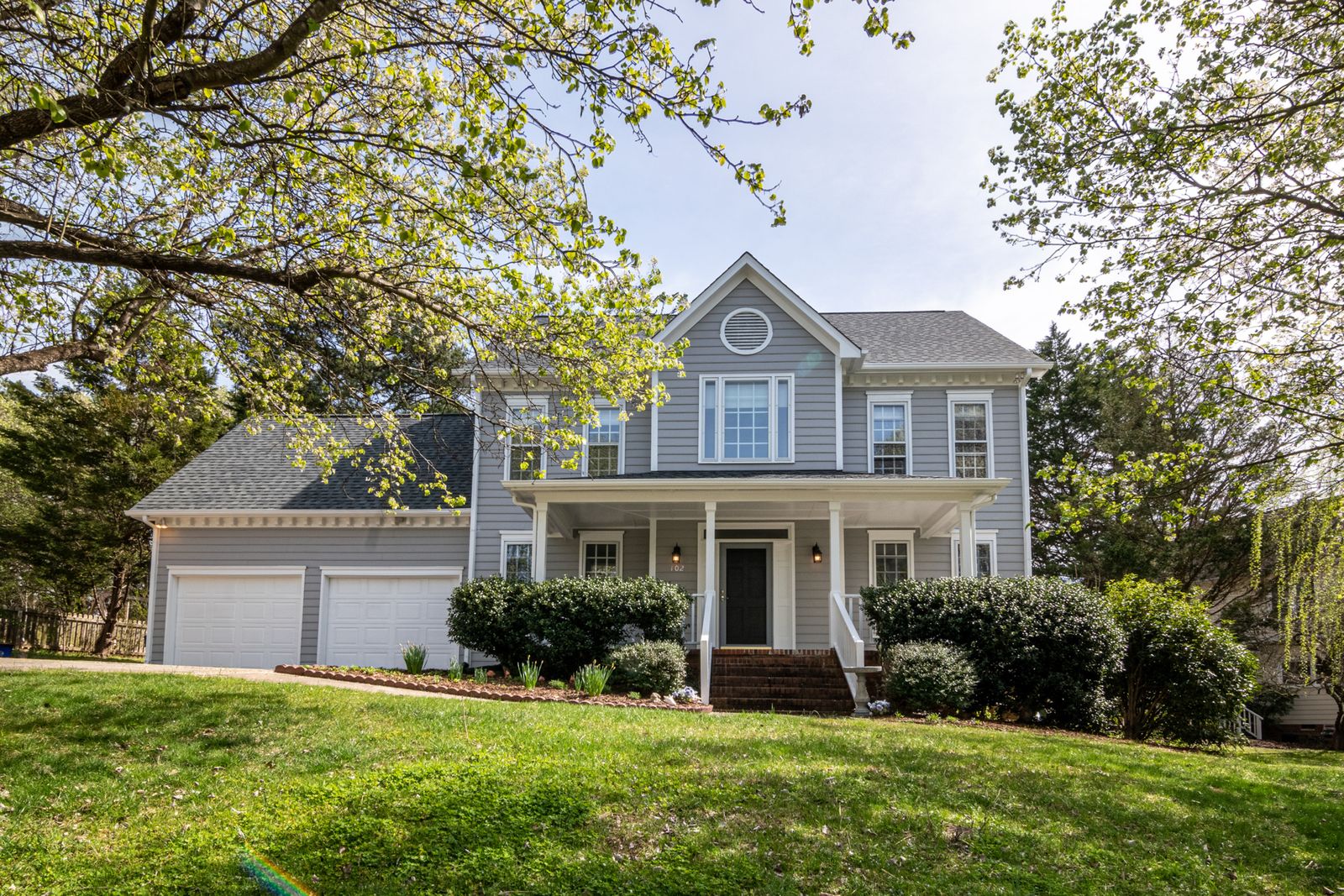
Automated home value estimates have become the first number most homeowners see when they wonder what their house is worth — and increasingly, the number they argue with. Tools like Zillow’s Zestimate generate a value in seconds using public records and market data, but the figure can differ from what a licensed, in-person appraiser determines by a wide enough margin to catch homeowners off guard when it actually matters: at refinancing, at sale, or when settling an estate.
Why the Two Numbers Diverge
An automated valuation model works from data it can access remotely — recent comparable sales, tax assessments, square footage on file — without ever setting foot inside the property. An appraiser walks through the home, accounts for renovations that public records may not reflect, and adjusts for condition issues a database cannot see, like an outdated kitchen or a finished basement that was never permitted. Zillow itself has publicly acknowledged the Zestimate is a starting estimate rather than an appraisal, with accuracy that varies significantly by market depending on how much reliable data exists locally, according to housing-industry analyses of the tool’s own published error rates.
Where the Gap Causes Real Problems
The disconnect becomes more than academic when a homeowner anchors their price expectations to an automated estimate that an appraiser later contradicts. Sellers who list based on a high Zestimate can face a rude awakening when a buyer’s lender-ordered appraisal comes in well below it, threatening to unravel a deal already under contract. The reverse also happens: homeowners who assume their equity is lower than it actually is, based on a conservative automated estimate, sometimes miss opportunities to refinance or borrow against a home that is worth considerably more than the algorithm suggests.
What Appraisers Say Buyers and Sellers Should Actually Do
Appraisal industry groups consistently advise treating automated valuations as a rough starting point for research, not a number to build a listing price or an offer around. A comparative market analysis from a local agent, built from truly comparable recent sales and an actual understanding of the property’s condition, remains the more reliable gut check before either pricing a home or making an offer. The algorithms are improving every year as they ingest more data, but the fundamental limitation has not changed: a model that has never walked through the front door is always going to miss something a human appraiser would catch standing in the kitchen.
Leave a Reply