
Home inspections were designed to give buyers and sellers a shared, objective picture of a property’s condition. Increasingly, they are doing the opposite: buyers and sellers are hiring their own separate inspectors for the same house and walking away with two meaningfully different reports on the exact same structure.
How the Same House Gets Two Different Verdicts
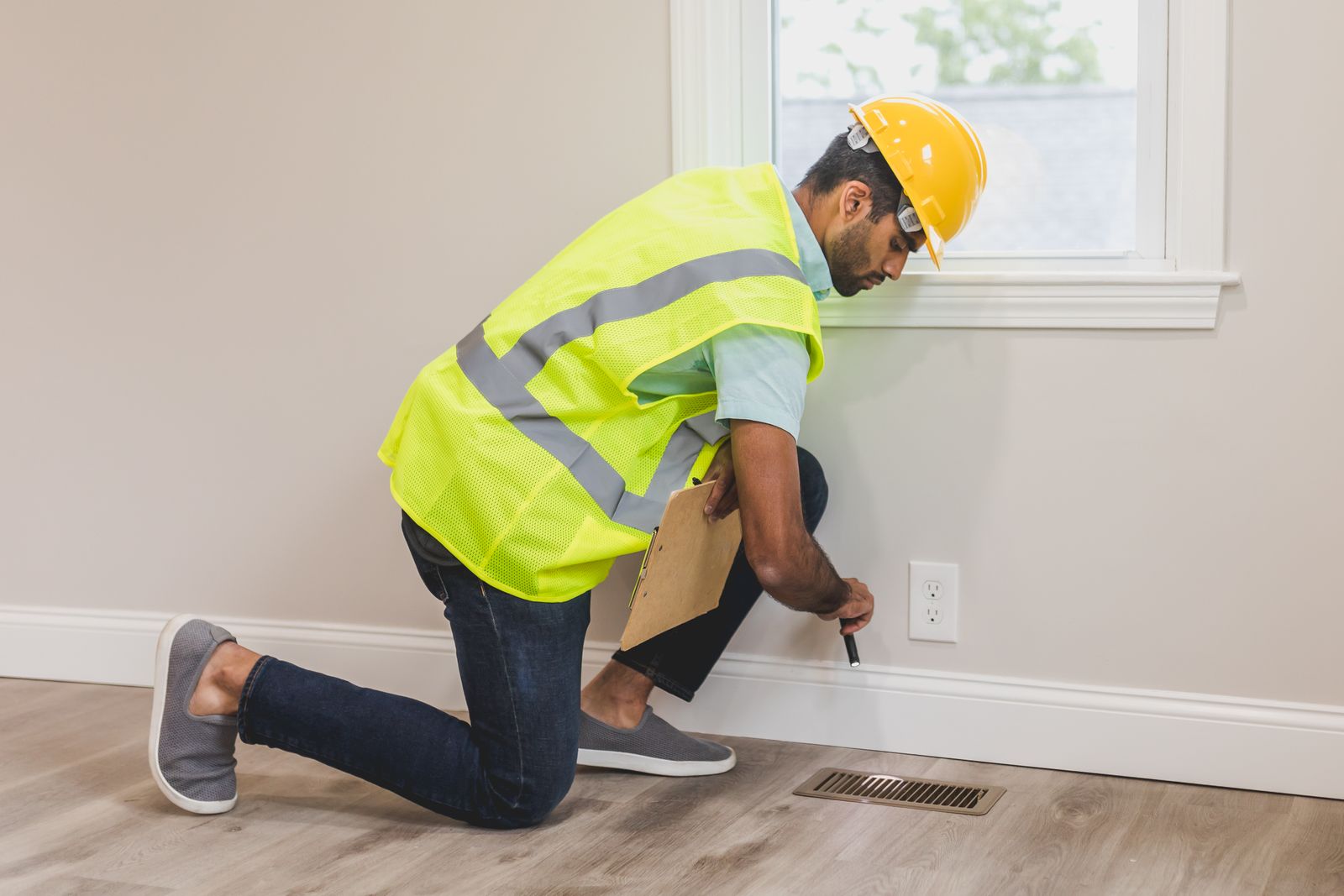
Home inspection is not a standardized science in the way many buyers assume. Inspectors exercise judgment on how to characterize everything from roof wear to foundation hairline cracks, and two licensed, competent inspectors can reasonably disagree on whether a given issue is cosmetic or a genuine concern. When a seller commissions a pre-listing inspection specifically to get ahead of buyer objections, and the buyer then brings in their own inspector during due diligence, the incentive structure on both sides subtly shapes what gets flagged and how seriously.
Why Sellers Started Doing This First
Seller-ordered pre-listing inspections became popular specifically as a negotiating tool: fixing or disclosing issues ahead of time can head off a buyer’s inspector finding the same problem and using it to renegotiate price or contingencies later. A seller’s report that comes back clean can also be used to justify a firmer asking price, especially in competitive markets. Buyers, unsurprisingly, do not always trust a report commissioned and paid for by the party trying to sell them the house — which is exactly why so many buyers order their own inspection anyway, even when a seller’s report is already in hand.
What Happens When the Two Reports Disagree
When a buyer’s independent inspection turns up something the seller’s inspector did not flag — or characterizes the same issue as more serious — the dispute usually gets resolved the way most contract disagreements do: negotiation, a price reduction, a repair credit, or in some cases a third inspector brought in specifically to break the tie. Real estate agents on both sides increasingly treat dueling inspection reports as simply part of the process in a market where neither side fully trusts a report they did not personally commission.
The Buyer’s Practical Takeaway
For buyers, the lesson experienced agents keep repeating is straightforward: a seller’s pre-listing inspection report is useful information, but it is not a substitute for a buyer’s own independent inspector, regardless of how thorough or reassuring the seller’s version looks. The relatively small cost of a second, buyer-commissioned inspection is cheap insurance against inheriting a problem that a seller’s own hired inspector had every incentive to describe as minor.
Leave a Reply