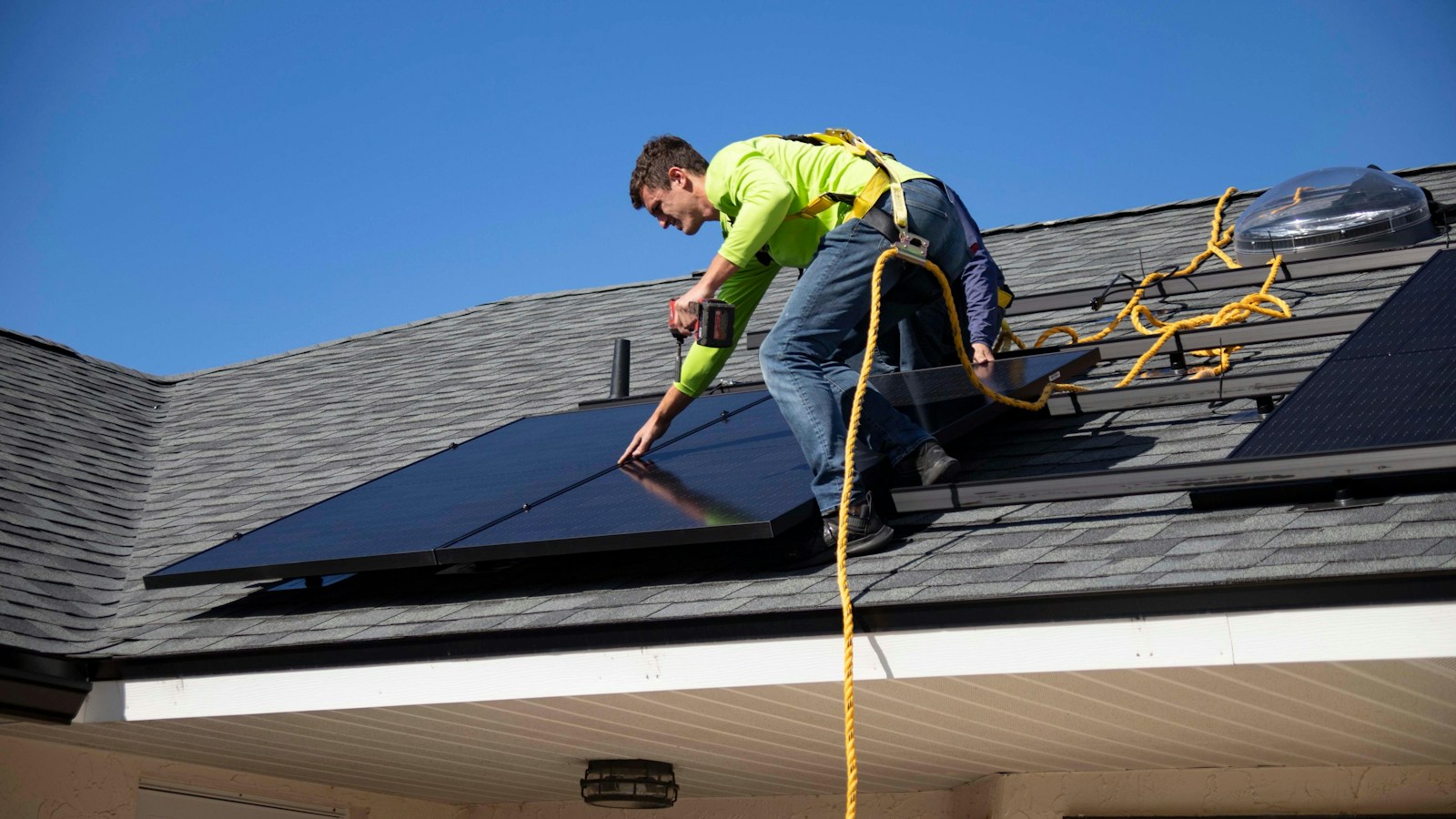
Homeowners associations have long had a reputation for rejecting solar panel installations on aesthetic grounds, arguing rooftop panels clash with a community’s uniform look. Increasingly, those rejections are ending up in court — and state solar access laws are giving homeowners a real chance of winning.
The Legal Backdrop Homeowners Are Relying On
A majority of states have now enacted some form of solar access or solar rights law, which limits how much an HOA can restrict solar panel installation regardless of what the community’s covenants say. These laws generally do not ban HOAs from having any input at all — they typically still allow associations to regulate placement or require review for safety and structural reasons — but they draw a firm line against outright bans or restrictions so burdensome they make installation impractical or dramatically more expensive.
Where HOAs Still Try to Push Back
Homeowners association attorneys note that even in states with strong solar access laws, associations still attempt denials on grounds like requiring panels to be invisible from the street, mandating specific placement that reduces energy efficiency, or imposing design review fees and delays substantial enough to discourage homeowners from following through. Legal advocates who represent solar-seeking homeowners say these workarounds are exactly what recent lawsuits have targeted — arguing that a technically “approved” but functionally unworkable placement requirement is no different from an outright ban under the spirit of the law.
What Homeowners Are Actually Winning in Court
Homeowners who sue after a denial and can show their state’s solar access law applies tend to have a strong legal position, since the statutes were written specifically to override conflicting HOA covenants on this issue. Courts in states with robust solar rights laws have generally sided with homeowners when an association’s restriction goes beyond the narrow safety and placement exceptions the law actually allows, treating a blanket aesthetic objection as insufficient grounds for denial.
The Bigger Fight Behind Each Individual Case
The dispute sits at the intersection of two forces gaining strength at the same time: rising homeowner interest in solar as energy costs climb, and HOA boards trying to preserve the uniform aesthetic that many buyers specifically pay a premium to live inside. For now, the law in most states has come down clearly on the side of homeowners’ right to install solar — but the fight over what counts as a reasonable placement restriction versus a disguised ban is likely to keep generating lawsuits for as long as HOAs keep testing exactly where that line sits.
Leave a Reply