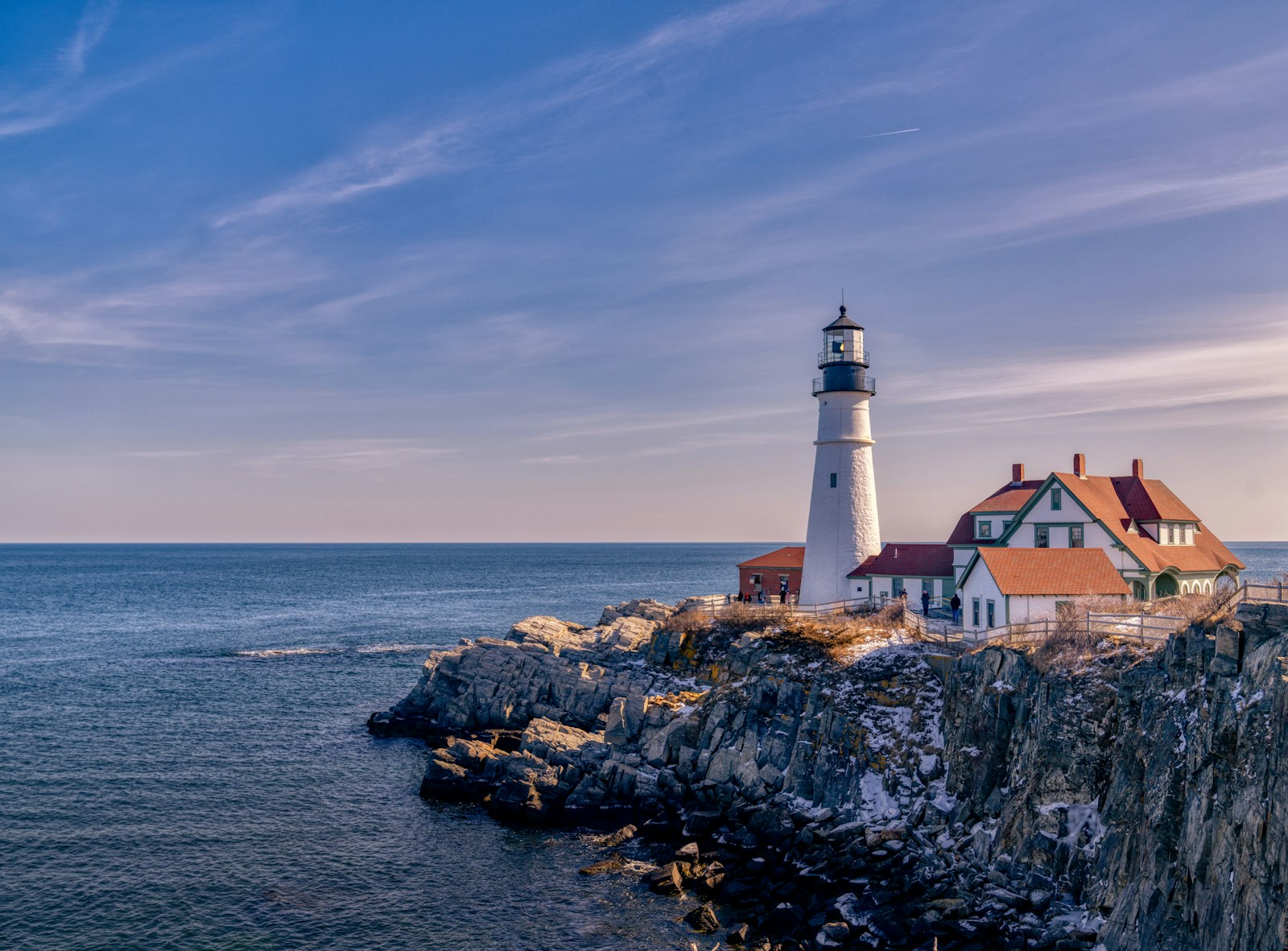
A fully restored, fully livable lighthouse built in 1891 is heading to a new owner, and whoever submits the winning offer will inherit something almost no other home listing can claim: an operational Coast Guard navigation beacon built directly into their living room ceiling. The Middle Ground Lighthouse, sitting in the Chesapeake Bay near Newport News, Virginia, is accessible only by boat — and it is, by the sellers’ own account, the oldest caisson lighthouse in the state.
From Abandoned Ruin to Restored Residence
The lighthouse’s last official keeper departed in 1955, after which it sat in disrepair for decades before two couples purchased it in 2005 for just $31,000, according to Northern Virginia Magazine. What followed was a three-to-four-year restoration built almost entirely on volunteer labor from family members and college students, transforming a deteriorating maritime relic into a genuinely livable home.
What 1,100 Square Feet of Lighthouse Actually Includes
The fully furnished residence spans roughly 1,100 square feet spread across the lighthouse’s circular structure, connected by spiral staircases and outfitted with a functional kitchen and propane gas range, multiple sleeping quarters featuring custom murals, and a wraparound balcony overlooking the bay. Modern amenities most buyers would not expect in a 19th-century maritime structure are all present and working: solar panels, a generator, hot and cold running water, and a functioning HVAC system. Ceilings throughout are painted with compass roses, a practical touch meant to help disoriented guests navigate the round layout rather than purely decorative flourish.
A Guestbook Unlike Any Other
The lighthouse’s watch room holds a detail that no ordinary listing photo can replicate: more than 2,000 visitor signatures collected over the years from guests who have made the boat trip out to see it, a running record of everyone who has stood inside a working aid to navigation that the Coast Guard still actively maintains. The beacon itself remains operational, meaning the new owners will technically be living inside a piece of federal maritime infrastructure that continues to guide vessels through the bay regardless of who holds the deed.
How to Actually Buy It
Rather than a standard listing price, the sale is being run through an inquiry and offer process, with interested buyers submitting forms directly and offers due by a set summer deadline. That structure is itself a reflection of how few comparable properties exist to price it against — there is no meaningful set of “similar lighthouse sales” to build a market analysis from, which leaves the eventual sale price largely up to how much a buyer values owning one of the only privately restored, fully operational lighthouses left on the East Coast.
Why Lighthouses Almost Never Change Hands
Privately owned, habitable lighthouses are genuinely rare in the American real estate market, and the reasons go well beyond novelty. Most historic lighthouses remain under federal or state government ownership specifically because of their ongoing role in maritime navigation, and the ones that do pass into private hands typically do so through federal surplus-property programs that prioritize preservation-minded buyers over the general real estate market. A lighthouse that has already been fully restored to livable, code-compliant condition — rather than sold as a fixer-upper shell requiring hundreds of thousands of dollars in structural work — is rarer still, which is a significant part of why the Middle Ground Lighthouse’s sale has drawn attention well beyond typical waterfront listings.
The Realities of Owning a Home You Can Only Reach by Boat
Boat-only access is not a quirky footnote for a property like this — it fundamentally shapes what ownership actually looks like day to day. Every grocery run, every guest visit, and every maintenance call requires a boat trip across open water, weather permitting, which rules out the property as anyone’s full-time, everyday residence in the way a mainland home would function. The buyers most realistically suited to the property are those looking for an extraordinary vacation home, a preservation project they can personally maintain, or simply the novelty of owning a genuine piece of maritime history — not someone commuting to a nine-to-five job on the mainland every weekday morning. Even routine tasks that mainland homeowners take for granted, like a same-day appliance repair or an unscheduled plumber visit, become logistical projects requiring advance planning and a willing boat captain.
Leave a Reply