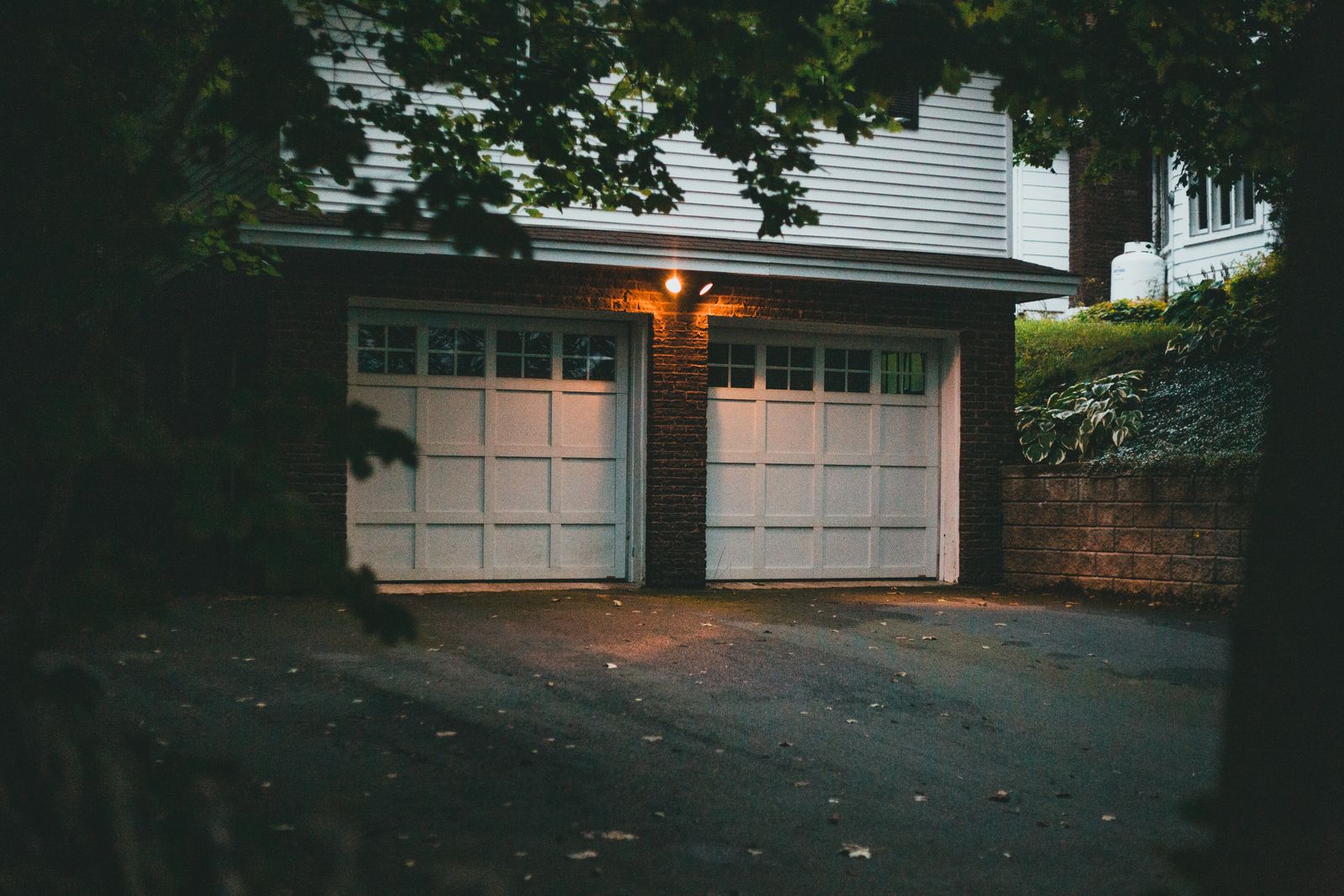
Years after a security researcher first demonstrated that certain smart garage door openers could be opened remotely from anywhere in the world, the underlying lesson has not lost its relevance: a garage door connected to the internet is only as secure as the weakest link in the app, servers and authentication behind it — and homeowners rarely think to check any of those.

How the Original Vulnerability Actually Worked
A researcher examining Nexx-brand smart garage door controllers found he could intercept the data those devices sent to the company’s own servers, then replay a captured “close” command to send an “open” instruction instead — a technique that worked completely remotely, from anywhere with an internet connection, according to reporting from Vice. In the course of demonstrating the flaw, the researcher found he could access information tied to hundreds of other customers’ devices, including device IDs, email addresses and linked names, well beyond his own single garage door.
Why the Company’s Response Made It Worse
What turned a technical vulnerability into a genuine security failure was the manufacturer’s response, or lack of one: despite months of attempted contact from the researcher and involvement from the federal Cybersecurity and Infrastructure Security Agency, the company reportedly declined to address the vulnerabilities at all. A flaw that goes unpatched after being formally disclosed to both the manufacturer and a federal cybersecurity agency stops being a one-off technical curiosity and becomes a standing risk for every device still connected to that same backend infrastructure.
Why This Keeps Being Relevant Years Later
The specific vulnerability may be years old, but the underlying pattern it exposed remains current: smart garage door systems depend entirely on a manufacturer’s servers and app security, layers most homeowners never audit or even think about, focused instead on whether the physical door and remote work as expected. A garage door is one of the largest, least monitored entry points into most homes, and a compromised smart controller offers an intruder something a traditional analog garage door never could — the ability to test for a way in without ever having to physically approach the house first.
What Homeowners Can Actually Do About It
Security researchers recommend treating a smart garage door controller like any other internet-connected device with access to a home: keeping firmware updated, using a unique strong password rather than a default or reused one, enabling two-factor authentication where the manufacturer offers it, and researching a brand’s security disclosure history before buying rather than after installing. For homeowners with an already-installed device from a manufacturer with a history of ignoring disclosed vulnerabilities, the more direct fix researchers suggest is simply disconnecting the smart function entirely and reverting to a standard remote, trading convenience for a device that cannot be opened by anyone who was never physically handed a clicker.
Leave a Reply