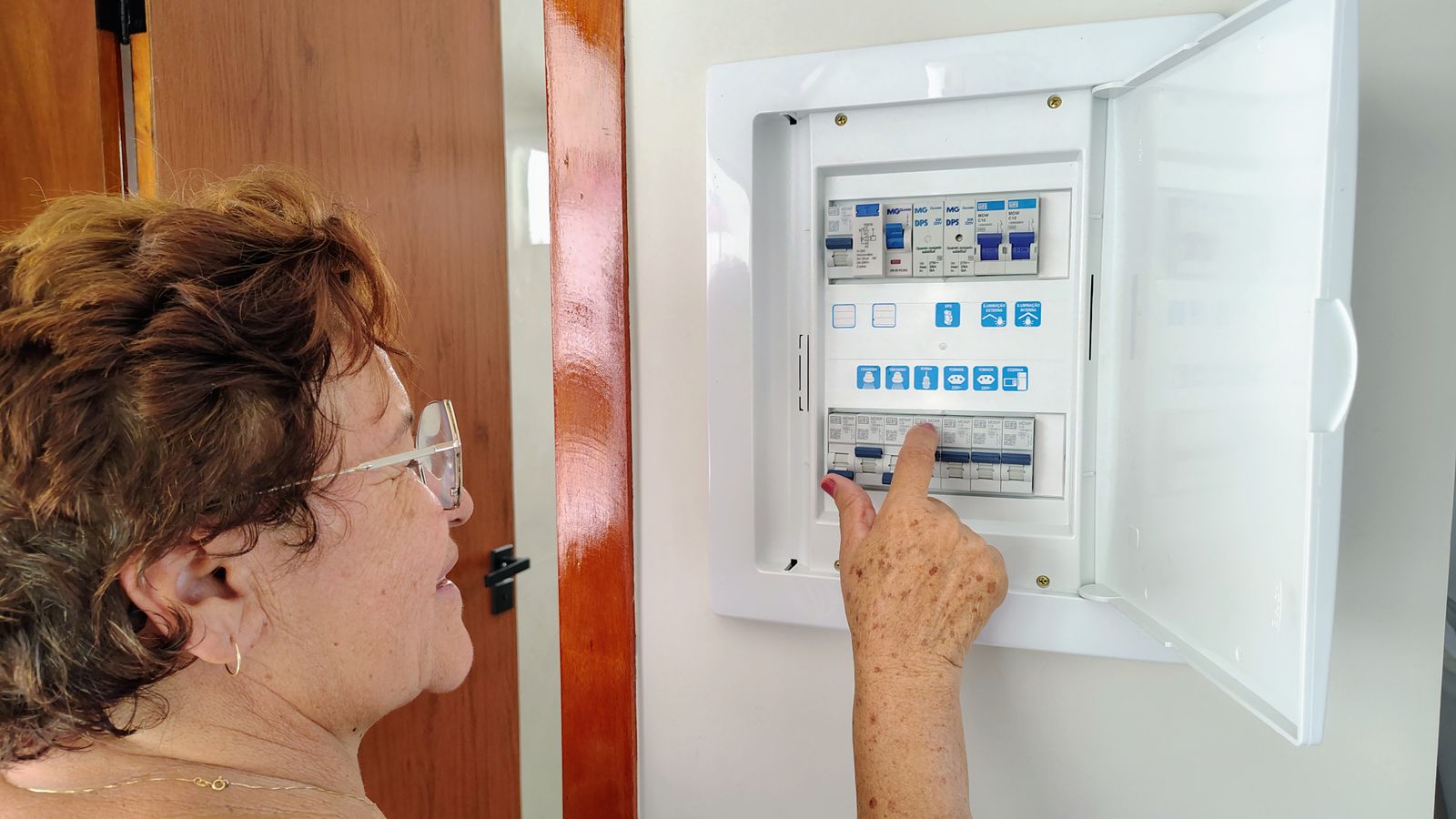
Most homeowners’ relationship with their electric bill begins and ends with the total at the bottom of the monthly statement. A small category of whole-home energy monitors, wired directly into the breaker panel, is changing that by showing exactly which appliance, room, or habit is actually driving the number — and owners say the effect on how their household uses electricity is closer to immediate than gradual.
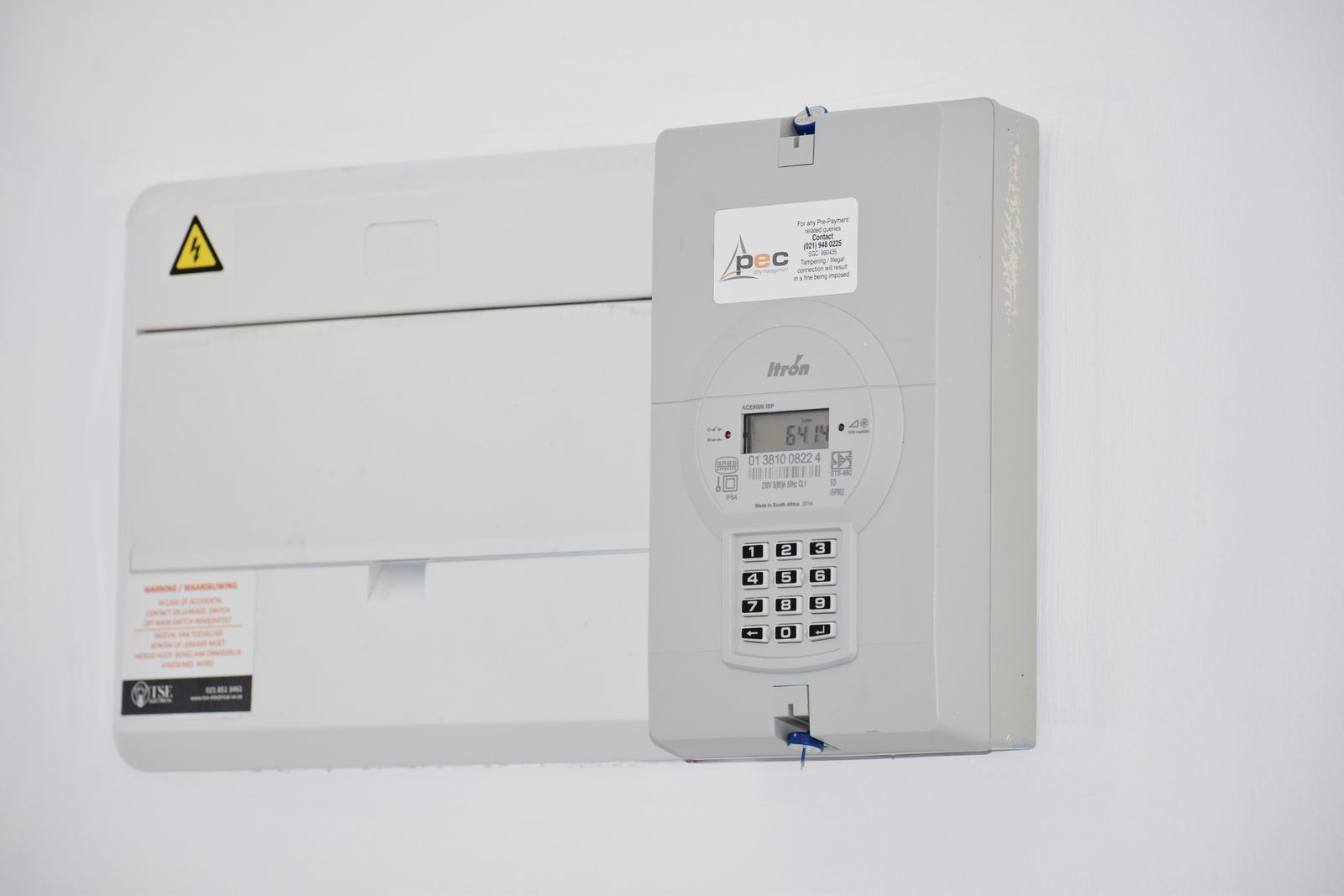
How These Devices Actually Work
Unlike a smart plug that tracks a single appliance, a whole-home monitor installs at the breaker panel itself and tracks electricity flow across every circuit in the house simultaneously, using the resulting data to identify individual appliances by their unique power signature. The result is a real-time breakdown that can show a homeowner, often for the first time, exactly how much a refrigerator, an HVAC system, or an always-on device in a back bedroom is actually costing them every month, rather than leaving that information buried inside one undifferentiated utility bill.
Why Seeing the Number Changes Behavior
Behavioral researchers who study energy use consistently find that visibility alone drives meaningful changes in consumption, independent of any actual mechanical upgrade to a home’s appliances or insulation. A homeowner who can see, in real time, that leaving a particular device running is costing a specific dollar amount per month tends to act on that information in a way an abstract yearly average never prompts — turning off equipment, adjusting thermostat schedules, or finally replacing an aging appliance that the monitor reveals is quietly consuming far more than its newer equivalent would.
The Surprises Owners Report Most Often
Owners of these devices consistently report the same categories of surprise once they can actually see their circuit-level data: an old refrigerator or freezer running in a garage that costs more annually than expected, a pool pump or well pump cycling more than assumed, or a single high-draw appliance responsible for a disproportionate share of the entire bill. None of those costs are new — the monitor simply makes visible what was always true but previously invisible inside a single monthly total.
What This Means for the Smart Home Category Broadly
Whole-home energy monitors remain a smaller category than smart thermostats or video doorbells, requiring a more involved installation at the breaker panel that some homeowners hire an electrician to complete rather than doing themselves. That installation friction has kept adoption more modest than flashier smart home gadgets, but among the households that do install one, the reported behavior change tends to be more dramatic and more immediate than what people typically report from a smart thermostat’s automated scheduling alone — less a passive convenience upgrade, and more a genuine shift in how a family actually thinks about the electricity running through their own walls.
Leave a Reply