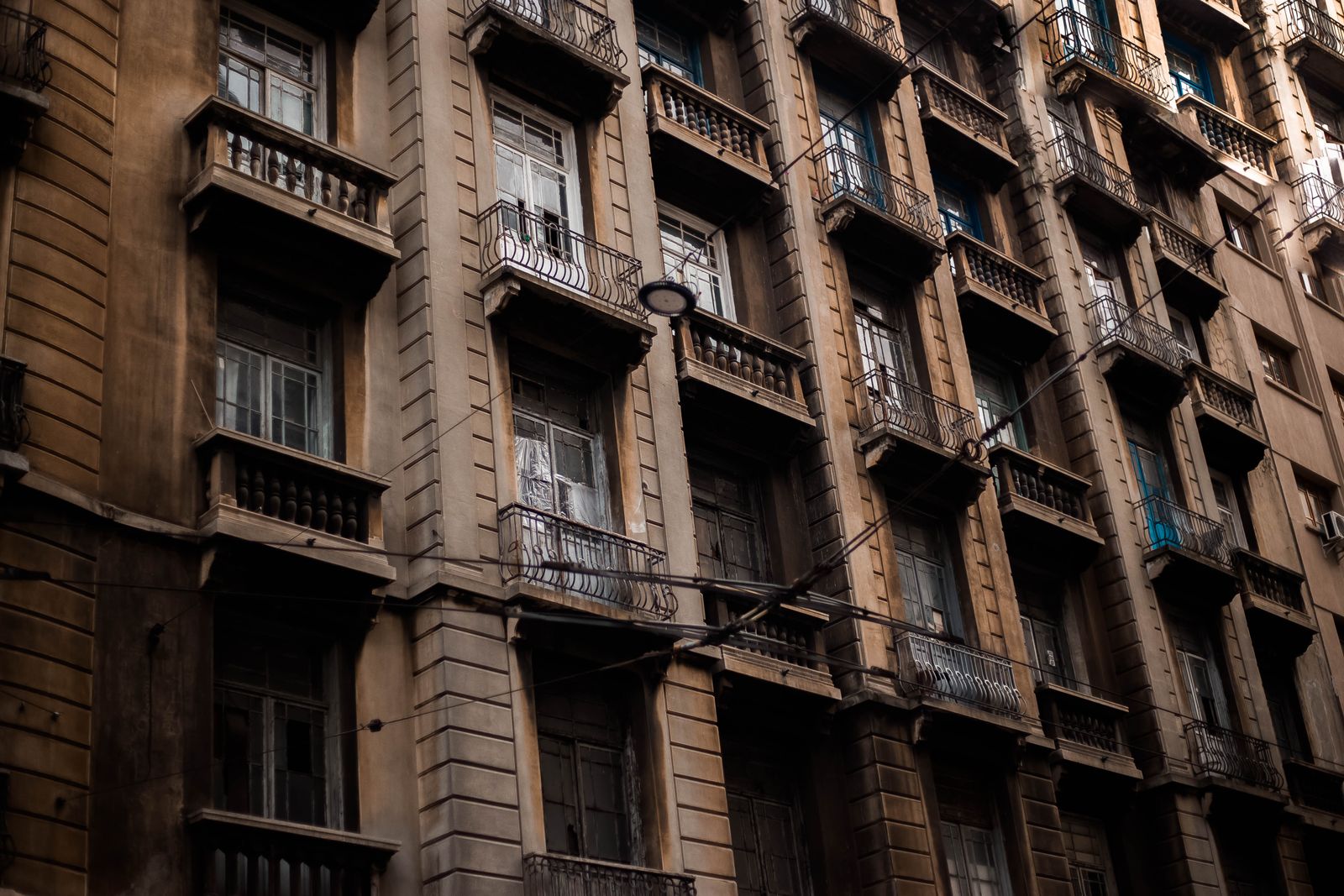
The City of Oakland has sued the owners of a 98-unit downtown apartment building, accusing them of leaving tenants without working elevators for 52 straight days and ignoring years of documented complaints about pests, water damage, fire damage and broken security. The lawsuit, filed in Alameda County Superior Court by the Oakland City Attorney’s office, names The Mosser Companies, its affiliate 184 13th Street Associates, LLC, and CEO Neveo Mosser as defendants.
Key Points
- The lawsuit, City of Oakland v. The Mosser Companies, Inc., et al. (Alameda County Superior Court Case No. 26CV204098), was filed against the owners and operator of La Peralta, a six-story, 98-unit building at 184 13th Street, according to the city attorney’s office.
- Both elevators were out of service for 52 consecutive days, from late June through August 18, 2025, forcing residents, many elderly or disabled, to climb up to six flights of stairs, according to the city’s filing as reported by CBS San Francisco.
- Oakland Fire Department crews responded more than a dozen times in a single year to free residents trapped in the building’s elevators, and firefighters carried disabled tenants down stairs on multiple occasions, per KQED’s review of the case.
- The city is seeking compliance orders, civil penalties, restitution for tenants and disgorgement of profits, according to the city attorney’s office.
According to the complaint, the building’s elevator failures were not an isolated breakdown but part of a “pattern of elevator neglect” spanning multiple years, an allegation laid out in the city attorney’s press release announcing the suit. City Attorney Ryan Richardson said in that statement that “maintaining working elevators is essential maintenance for any building,” and argued that landlords who let habitability problems slide need to be held accountable.
The 52-day outage is the centerpiece of the case, but it’s far from the only allegation. CBS San Francisco, which first reported on the filing, detailed additional claims in the suit: months of unaddressed water intrusion that ruined tenants’ belongings, rodents entering through the basement garbage area, laundry machines that ate tenants’ money without working, and fire and structural damage the city says went unrepaired throughout the building. The suit also alleges the property failed to keep a required on-site manager and let security problems persist.
Stock photo for illustration; not the La Peralta building named in the lawsuit.
Oakland’s case leans heavily on a 2024 city ordinance that requires landlords to keep elevators functioning or provide tenants with temporary alternate housing when they don’t, a requirement KQED reports is central to the city’s legal theory here. The lawsuit also cites Oakland’s Tenant Protection Ordinance, its Just Cause for Eviction Ordinance, its Rent Adjustment Ordinance and a public nuisance claim, according to the city attorney’s filing. The complaint alleges that repairs at La Peralta were repeatedly delayed over unpaid contractor bills, and that the owners only moved with real urgency once local news outlets started covering the building’s problems.
Part of a broader pattern
The Mosser suit isn’t Oakland’s only recent habitability action. KQED reports that the city extended oversight of a separate pair of landlords, Baljit Singh Mann and Surinder Mann, just a month before the La Peralta filing over similar habitability violations, suggesting the city attorney’s office is leaning harder into enforcement against landlords with repeat conditions complaints. Mosser Living has not entered negotiations with the city and had not issued a public statement as of CBS’s reporting.
For tenants at La Peralta, the lawsuit puts on the public record something they’d apparently been telling the city for years: that the fixes they’d been promised, and that inspectors had documented as necessary, kept not happening. Whatever the case’s outcome, it’s now a matter for Alameda County Superior Court to sort out, with the city asking the court to force compliance and claw back money it says the owners never should have collected while the building fell apart around its residents.
Leave a Reply