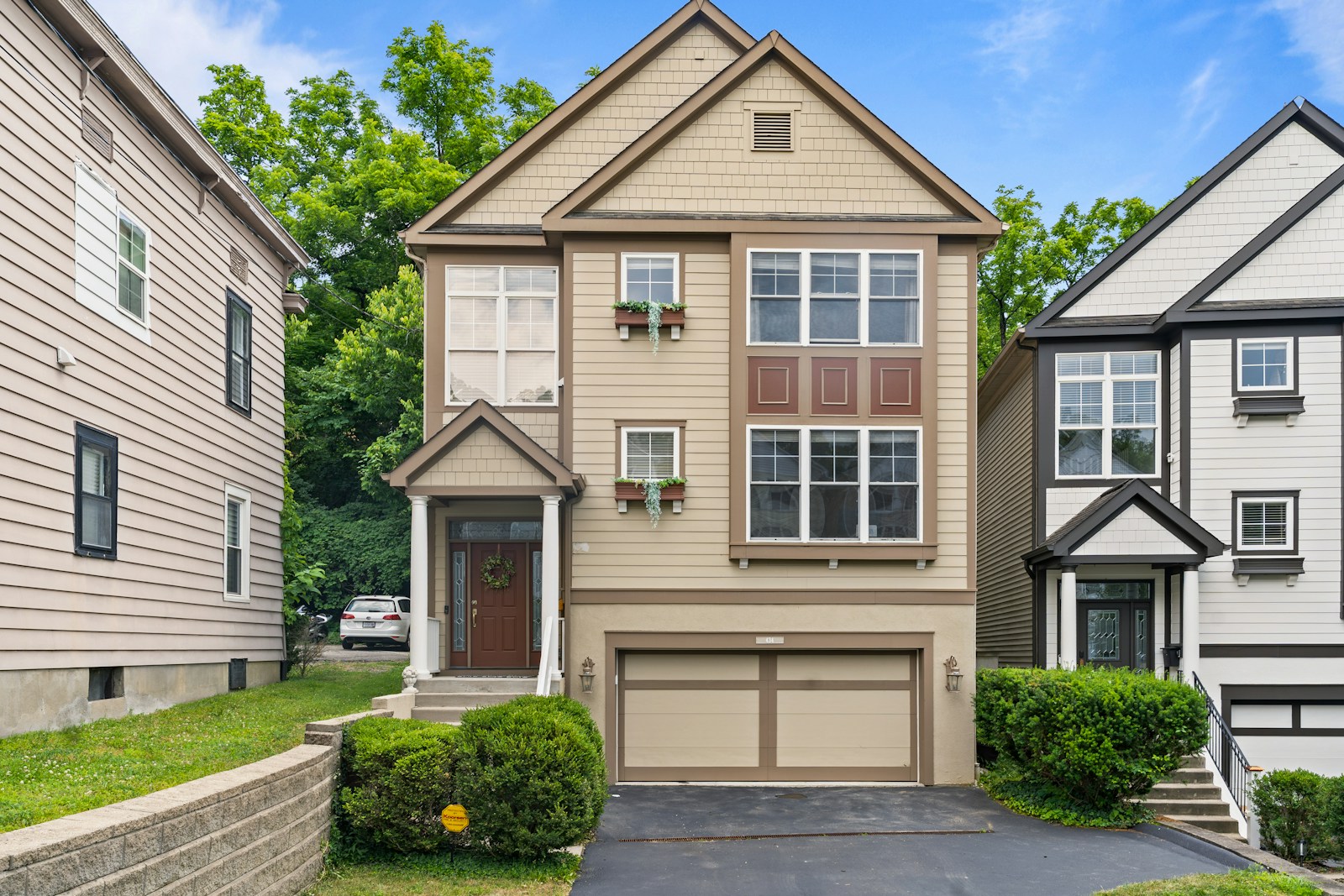
Existing-home sales slipped 2.0% in August to a seasonally adjusted annual rate of 3.98 million, down 1.2% from a year ago, according to the National Association of Realtors’ latest report. But buried in the same release is the number that actually matters if you’re house hunting right now: total inventory climbed to 1.62 million units, up 3.2% from July and 5.9% higher than a year ago, the highest level the market has seen since 2019.
That works out to 4.9 months of supply, up from 4.6 months in July. It’s still short of the six months economists consider a balanced market, but it’s the most breathing room buyers have had in years. NAR Chief Economist Lawrence Yun connected the two data points directly in the association’s own release: “Mortgage rates and home sales move in opposite directions, so it’s not surprising to see a mild dip in home buying activity due to high rates,” he said, adding that “the ample supply of homes for sale on the market is giving homebuyers better opportunities to negotiate.”

Who’s Actually Buying
First-time buyers made up 30% of August sales, up from 29% in July, a small but notable uptick given how badly that group has been squeezed by both prices and rates over the past few years. The national median existing-home price came in at $429,100, up 1.6% year-over-year, a far more modest pace of appreciation than the double-digit jumps of a few years ago. Mortgage News Daily’s analysis of the same report noted that sales have now dipped below the 4 million mark even as the inventory build continues.
None of this means sellers are suddenly desperate. Slower sales paired with rising inventory usually means listings sit longer and buyers get more room to negotiate on price, repairs, or closing costs, not that homes are suddenly cheap. But after a stretch where bidding wars and waived inspections were the norm in plenty of markets, having actual choices and actual leverage is new territory for a lot of shoppers.
What It Means If You’re Shopping Now
If you’ve been sitting on the sidelines waiting for rates to drop before jumping back in, this report suggests a different lever might be worth pulling first: inventory. More homes on the market for longer stretches typically translates into sellers who are more willing to talk, especially outside the hottest metro areas. With supply at a seven-year high and sales cooling, the seller’s market that defined the past several years is looking less like a permanent condition and more like a phase that’s already starting to fade.
Leave a Reply