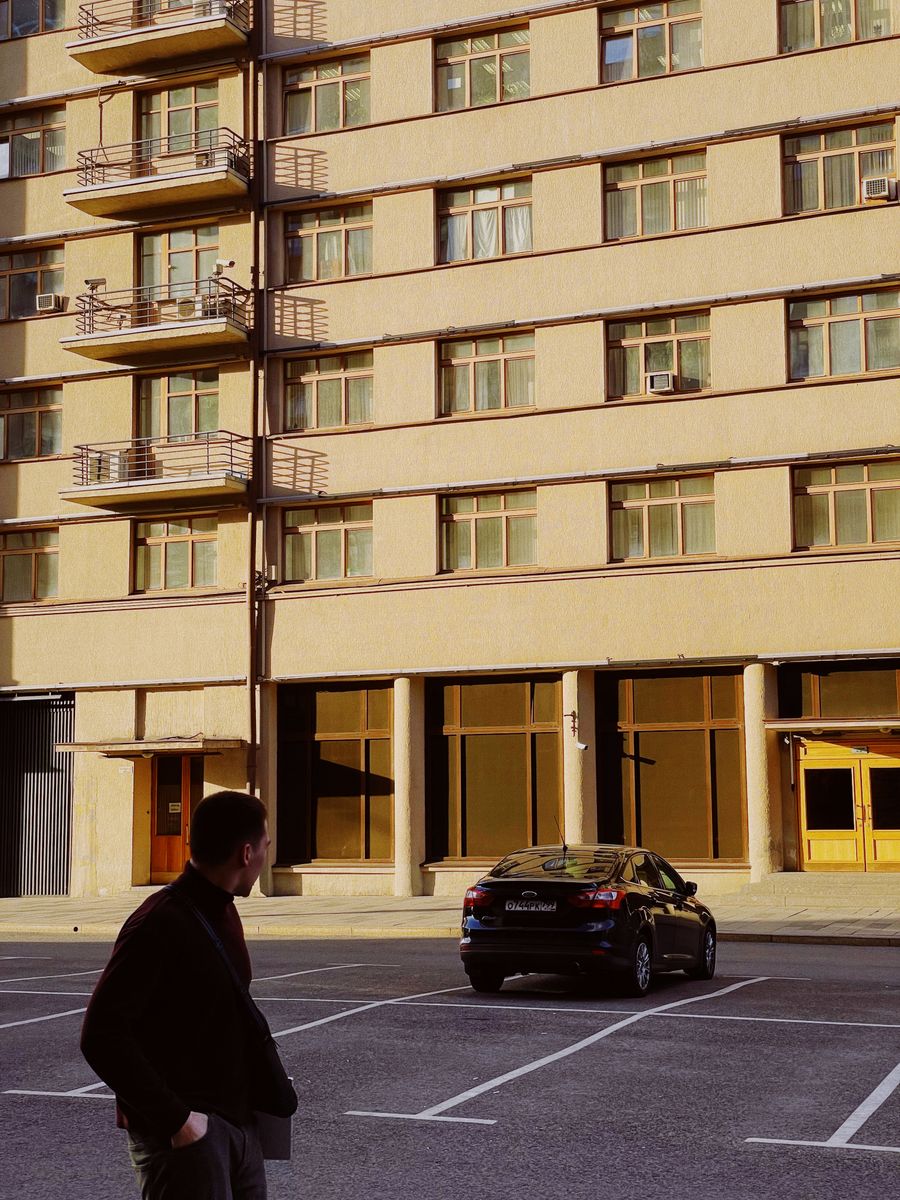
Most landlord-tenant lawsuits run in one direction, a building owner accused of ignoring repairs or padding fees. A new case filed in New York State Supreme Court flips that script entirely, with a Manhattan landlord suing its own tenant for more than $1.5 million over what it says was months of screaming, threats, and a door sign that read like something out of a horror movie.
A one-bedroom that turned into a war zone
The lawsuit, filed May 15 by East 77 Owners Co., LLC against tenant Layla Al-Marzooqi, centers on a one-bedroom apartment at 436 East 77th Street, a five-story walk-up on Manhattan’s Upper East Side, according to the complaint reported by Hoodline. Al-Marzooqi signed her lease in October 2024 after previously living in a studio in an adjacent building managed by the same company, Eric Goodman Realty Corp., which has overseen the three connected buildings since 2022.

According to the filing, the trouble started small. On April 12, the complaint alleges, Al-Marzooqi cursed at a neighbor in the hallway over a visiting girlfriend’s dog. Two days later, on April 14, she allegedly screamed inside her apartment for consecutive hours, loud enough that a neighbor called 911. Additional episodes described in the complaint reportedly stretched to roughly four continuous hours, the kind of disruption that a five-story walk-up, where sound travels easily between units, cannot easily absorb.
A sign on the door and posts online
What separates this filing from a routine noise complaint is what allegedly came next. Court documents cited by East Side Feed describe a placard taped to the apartment door reading “DEATH To you beyond below around above this Apartment Space.” The complaint also alleges that after police responded to the April 14 incident, Al-Marzooqi went on Facebook, named the neighbor’s apartment number, and told the neighbor to die. The lawsuit further alleges her Facebook activity included racist and homophobic content aimed at the landlord and its attorneys, including a profile cover image the complaint describes as combining a swastika with a Star of David.
Whatever a court eventually determines about the truth of those specific claims, the practical fallout described in the lawsuit is straightforward: prospective renters touring the building were scared off, and other tenants in the walk-up reportedly began looking for ways to break their own leases just to get away from apartment 1B. For a small, five-story building with only ten units total, losing even a couple of tenants to fear of a neighbor is a meaningful hit to occupancy and reputation alike.
Four claims and a lease already terminated
The landlord issued a lease termination notice dated May 1, effective May 14, citing nuisance, and has indicated plans to pursue a separate eviction case through Housing Court. The civil complaint itself, filed by attorney Heather A. Ticotin, lays out four causes of action: libel per se seeking more than $1 million, tortious interference seeking at least $500,000, an injunction demanding the harassment stop and the online content come down, and attorney’s fees of at least $25,000. Add those figures together and the number climbs past the $1.5 million the case has been widely described as seeking.
Filing a defamation and tortious interference claim against a residential tenant, rather than simply pursuing eviction, is an unusual legal strategy. Eviction addresses the lease. It does nothing about reputational damage a landlord says it suffered when prospective tenants toured the building and heard about a neighbor threatening people through a sign on her own door. By suing separately for libel and interference, the ownership group is trying to recover money for harm that an eviction judgment alone would never touch.
A rare look at the other side of a housing dispute
Landlord-tenant coverage skews overwhelmingly toward tenants fighting neglect, and for good reason, since building owners typically hold more leverage in any dispute. This case is a reminder that leverage can run the other way too, particularly in a small walk-up where one resident’s behavior is difficult for anyone, owner or fellow tenant, to simply avoid. Whether the allegations hold up in court remains to be decided. What is already clear from the filing is that a $3,000-a-month one-bedroom on a quiet Upper East Side block became, for a stretch of months, anything but quiet.
Leave a Reply