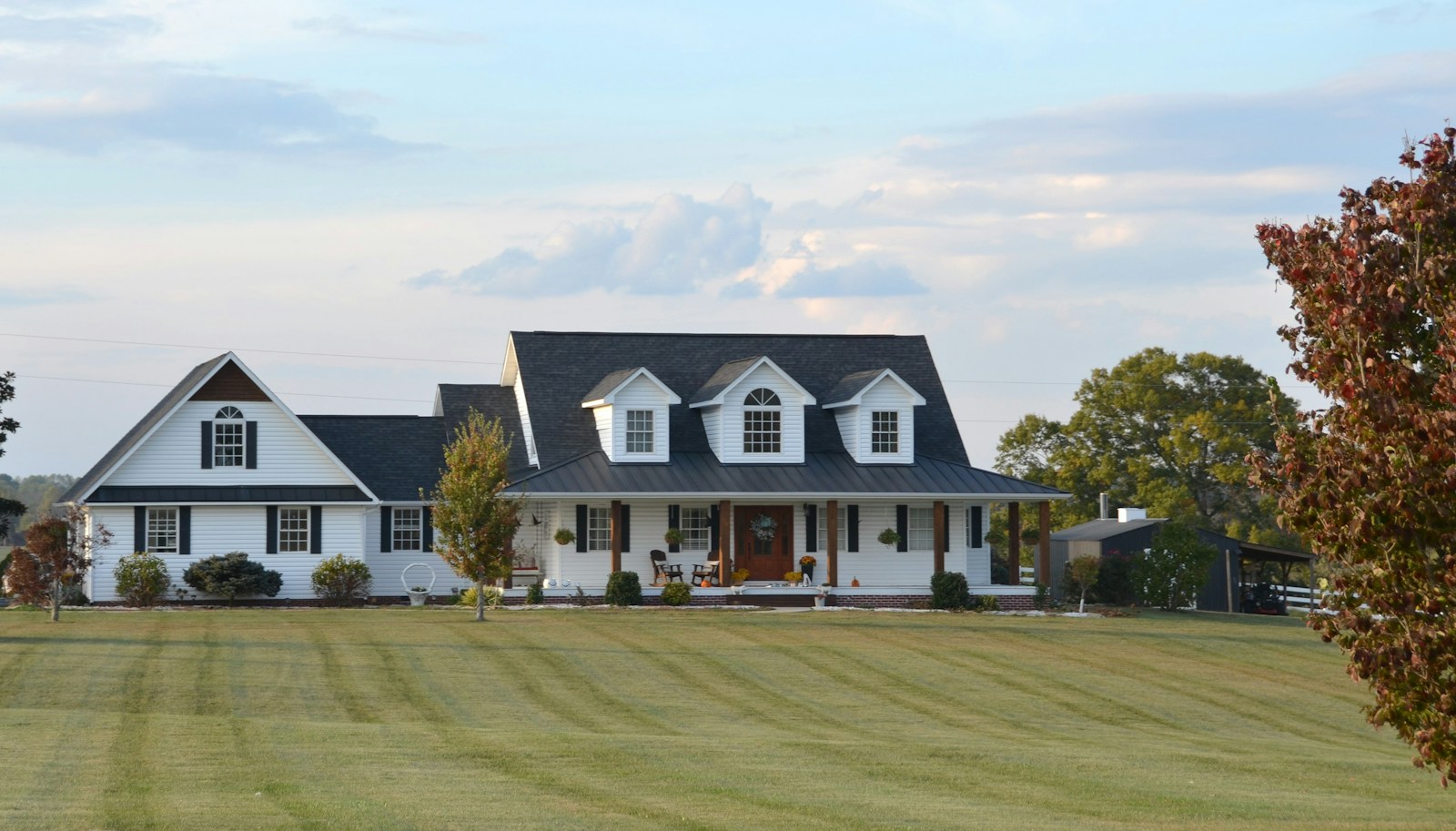
The national housing market has spent the past year drifting toward buyers, with more listings sitting longer and sellers cutting prices more often than they have in years. And yet more than a quarter of homes that hit the market in move-in-ready condition are still selling above asking price, bidding wars and all, as if the broader slowdown never reached them.
A market that’s cooling on average, not everywhere
Redfin’s latest housing market update found that 25.9 percent of U.S. homes sold above their asking price, with the average sale-to-list ratio sitting at 98.7 percent, according to Redfin. That’s a meaningfully lower bidding-war rate than the frenzied stretch of 2021 and 2022, but it’s still more than one in four homes selling for more than the seller asked, a share that would have sounded unremarkable a few years ago and now stands out against a market that’s supposedly favoring buyers.

More homes are coming onto the market
New listings climbed to their highest level since August 2022, up 2.1 percent week-over-week on a seasonally adjusted basis and 8 percent compared to a year earlier. Active listings also ticked up 0.4 percent over the same week. On paper, that’s exactly the kind of inventory growth that should cool competition and give buyers more leverage to negotiate.
But sales aren’t keeping pace
Pending home sales dropped to their lowest level since February, down 0.1 percent week-over-week, even as new listings kept climbing. Redfin describes this as a widening disconnect between growing inventory and sluggish sales, the defining feature of the current buyer’s market in most parts of the country. Typical home-sale prices are still rising, up 2.2 percent year-over-year, even with mortgage rates averaging 6.66 percent, a combination that continues to price out a share of would-be buyers regardless of how many homes are sitting on the market.
Where the market is still competitive
The regional breakdown shows where the old bidding-war dynamics are still very much alive. Prices are climbing fastest in San Francisco, up 9 percent year-over-year, followed by West Palm Beach at 8.1 percent and Cincinnati at 7.8 percent. Pending sales are rising in Milwaukee, Virginia Beach, and Cincinnati, while new listings are surging in San Jose, Boston, and Nashville, up as much as 29.4 percent year-over-year in San Jose’s case. Those are largely the same kinds of markets, desirable metro areas with limited move-in-ready inventory, where a well-priced, well-maintained home in a good location draws several offers within days even as the broader market cools around it. For buyers, the takeaway is less about the national averages and more about matching expectations to the specific type of home and market they’re shopping in; a fixer-upper in a slower metro might sit for months, while a turnkey house in a competitive neighborhood can still trigger a bidding war despite everything the national numbers suggest.
Leave a Reply