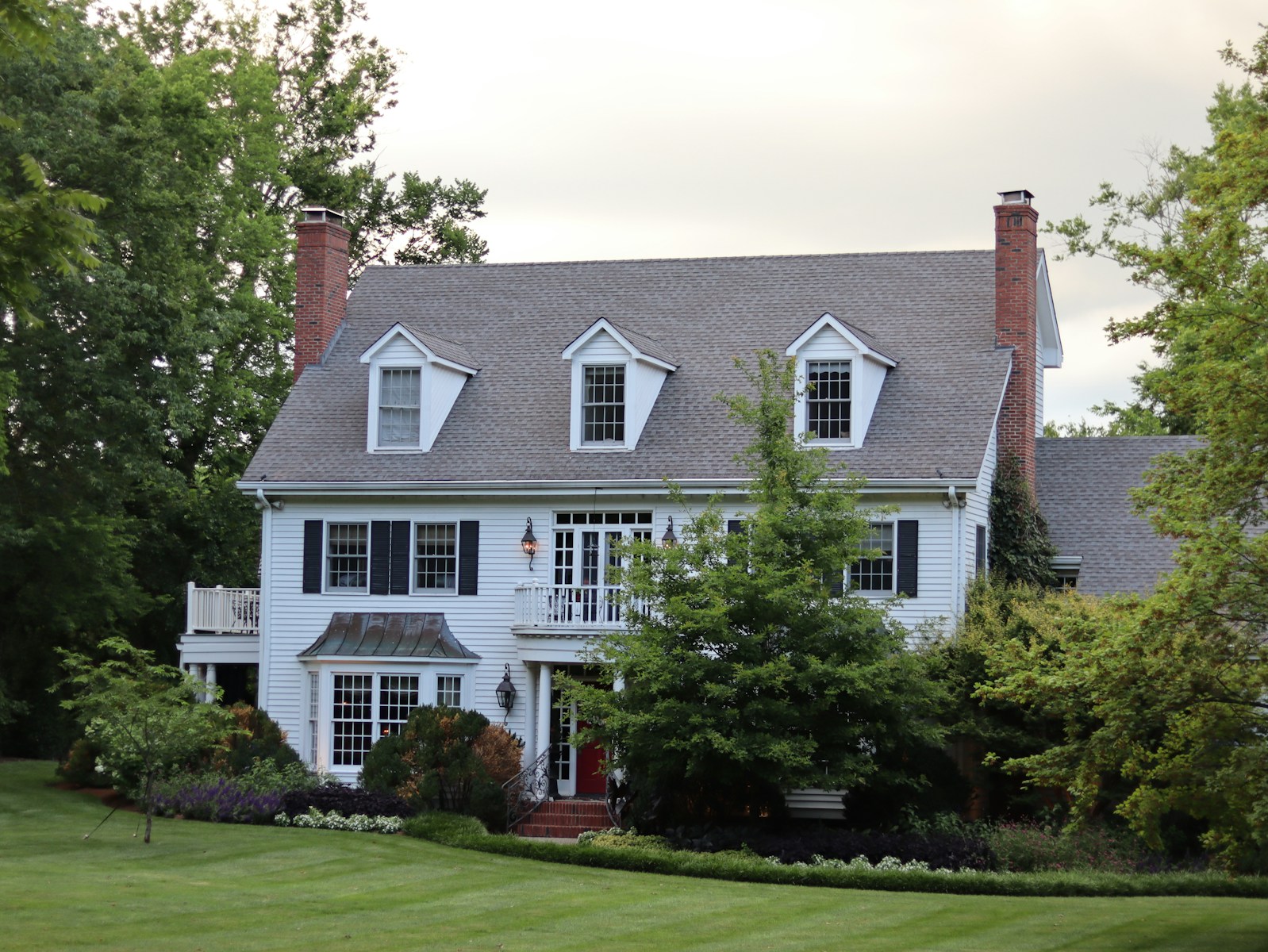
If you’re a millennial with kids hunting for a four-bedroom house right now, the math is not in your favor, and it isn’t close. New research from Redfin shows that empty-nest baby boomers now own 28 percent of the country’s three-bedroom-plus homes, while millennial families actually raising children under their roof hold just 16 percent. Add in boomers living in larger households of three or more adults, and the generation born mostly between 1946 and 1964 controls roughly 35 percent of the nation’s big-house inventory. Gen Z parents, for context, own less than 1 percent.
None of this is really a mystery once you look at the money. Redfin’s analysis of 2024 Census data found that 57.8 percent of baby-boomer homeowners have paid off their mortgages entirely. They are sitting in four- and five-bedroom homes, often built for kids who moved out a decade or two ago, with a housing cost that amounts to property taxes, insurance, and upkeep. There is no monthly note pushing them toward a smaller, cheaper place. Meanwhile, a separate November 2025 Redfin survey fielded by Ipsos found that 28 percent of millennials point to high mortgage rates as the main reason they aren’t buying anytime soon, and the homes they’d actually want to buy aren’t reliably coming onto the market.
Why the empty nesters aren’t budging
Brenda Beiser, a Redfin Premier agent in Philadelphia, put it plainly in the company’s release: “The problem is, younger families have a hard time finding those homes because the older people living in them can’t find anywhere they want to move to.” That’s the crux of it. Downsizing sounds simple until you actually try to do it. A boomer selling a paid-off five-bedroom colonial has to find a smaller home, pay closing costs and moving expenses, and then often discover that a two-bedroom condo in the same neighborhood costs nearly as much per square foot as what they’re leaving. Add a mortgage rate in the mid-6 percent range on any new purchase, and staying put quietly becomes the financially rational move, even if the house has three empty bedrooms collecting boxes.

That reluctance ripples outward. Every large home that stays in the hands of one or two adults for an extra ten or fifteen years is one less listing for a family of four scanning the same three ZIP codes every weekend. AOL’s coverage of the same data points out how uneven this shows up city to city. The mismatch isn’t spread evenly across the map, and where you live changes how brutal the search actually is.
Where the squeeze is worst
Redfin’s metro breakdown shows real variation. Austin and Columbus post the highest millennial ownership share of large homes, at roughly 19.2 percent, giving young families there a slightly better shot. Los Angeles sits at the opposite end, with millennials owning just 10.5 percent of big homes in a market where even a modest three-bedroom often starts near seven figures. On the empty-nester side, Memphis leads at 31.2 percent, while Salt Lake City has the lowest share among the metros studied, at 20.1 percent. The pattern generally tracks with how expensive and how new a metro’s housing stock is: older, cheaper Sun Belt and Midwest cities tend to have more boomers rooted in place, while newer, pricier markets show a bit more turnover.
None of this means empty nesters are doing anything wrong by staying. It’s their house, their equity, and their decision. But it does mean the usual assumption that families “just need to wait for boomers to downsize” doesn’t hold up well under the numbers. A homeowner in their late 60s or 70s today may reasonably expect to live in that house another 15 to 20 years. That’s a long runway for a shortage that isn’t going away on its own.
What it means for buyers right now
For a young family actually shopping, this data mostly confirms what the last few open houses already taught you: the good four-bedrooms get snapped up fast, and there are fewer of them cycling through than there should be given how many millennials now have school-age kids. It also suggests new construction of larger single-family homes matters more than policy conversations about boomers “opening up” existing inventory, since that inventory isn’t opening up in any meaningful way soon.
Redfin’s researchers frame this as a structural mismatch rather than a temporary market blip, and the mortgage-rate data backs that up. Even boomers who might consider a move face the same rate environment as buyers, just without the same financial pressure to accept it. Until rates ease meaningfully or builders shift toward more family-sized homes, the two generations will keep competing for a slice of housing stock that isn’t growing nearly fast enough for either of them. If you’re in the market for a bigger place, the honest advice is to widen your search radius, get comfortable with a longer timeline, and don’t assume the next listing alert is going to solve it for you.
Leave a Reply