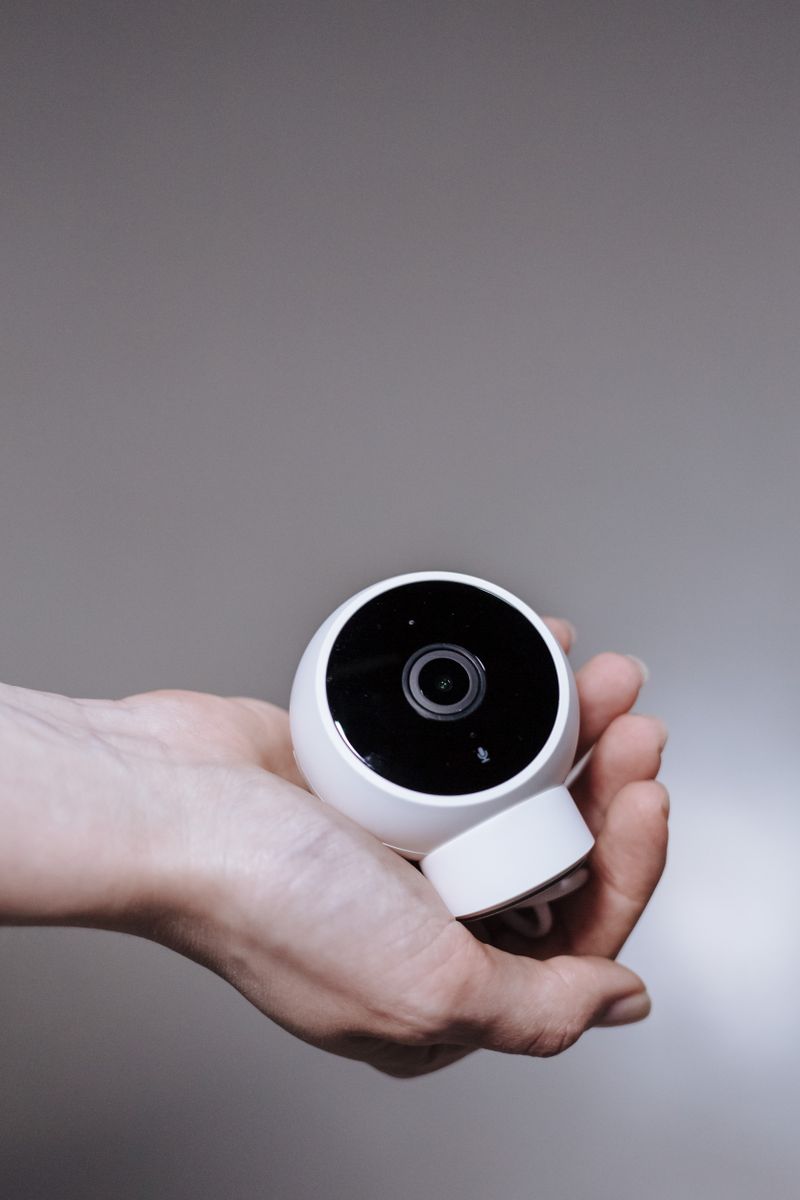
Washington state regulators fined smart-camera maker Kangaroo Security $80,000 after finding the company had been selling theft-reimbursement plans bundled into its home security app without ever holding a license to sell insurance in the state, according to the Washington State Office of the Insurance Commissioner. The order, issued May 14, 2026, also found that of 17 customer claims filed under the plans, only 2 were ever paid out.
Key Points
- Kangaroo Security offered theft-reimbursement coverage as an add-on inside its camera app, but the company was not licensed to sell insurance products in Washington.
- Regulators found only 2 of 17 customer claims filed under the plans resulted in a payout.
- The company was fined $80,000 by the state’s insurance commissioner.
- Selling insurance without a producer license is a violation of Washington’s insurance code, which requires anyone offering, soliciting or selling insurance products in the state to hold an active license, per the OIC’s producer licensing rules.

The case is a reminder of how far “smart home” companies have pushed into territory that used to belong strictly to licensed insurers and agents. Kangaroo built its business selling affordable indoor and outdoor security cameras, then layered subscription add-ons on top, including a theft-reimbursement benefit marketed as protection for customers whose belongings were stolen despite having a camera watching. That kind of product, once it promises to pay out money based on a covered loss, functions as insurance regardless of what the company calls it, and Washington’s insurance code requires a license before anyone can lawfully offer it.
What makes the low payout rate notable is that it goes to the heart of why licensing requirements exist in the first place. A state insurance license comes with obligations around solvency, claims handling, and disclosure that are meant to give customers some assurance that a covered loss will actually be paid. When only 2 of 17 filed claims resulted in payment, customers who bought the add-on believing they had a real safety net were, in practice, left covering their own losses in the vast majority of cases, without the regulatory protections licensed insurance normally carries.
For homeowners and renters who buy connected security devices, the case is a useful prompt to look closely at what any bundled “protection plan” actually is before relying on it. A warranty, a service guarantee and an insurance policy are legally different products with different rules behind them, and a company selling a device isn’t automatically qualified, or licensed, to also sell you insurance against theft or loss. Anyone unsure whether a plan they’ve been offered is backed by a licensed insurer can check a company’s status directly through a state insurance department, the same kind of verification that flagged Kangaroo Security’s plans in the first place.
Leave a Reply