Flag disputes between homeowners and their community associations keep surfacing across the country, and the law behind them favors residents more than most boards seem to realize. A federal statute already bars associations from banning the American flag outright, and a growing number of states have layered on their own protections that go even further, right down to which hours a flag can fly and how big a fine a board can threaten.
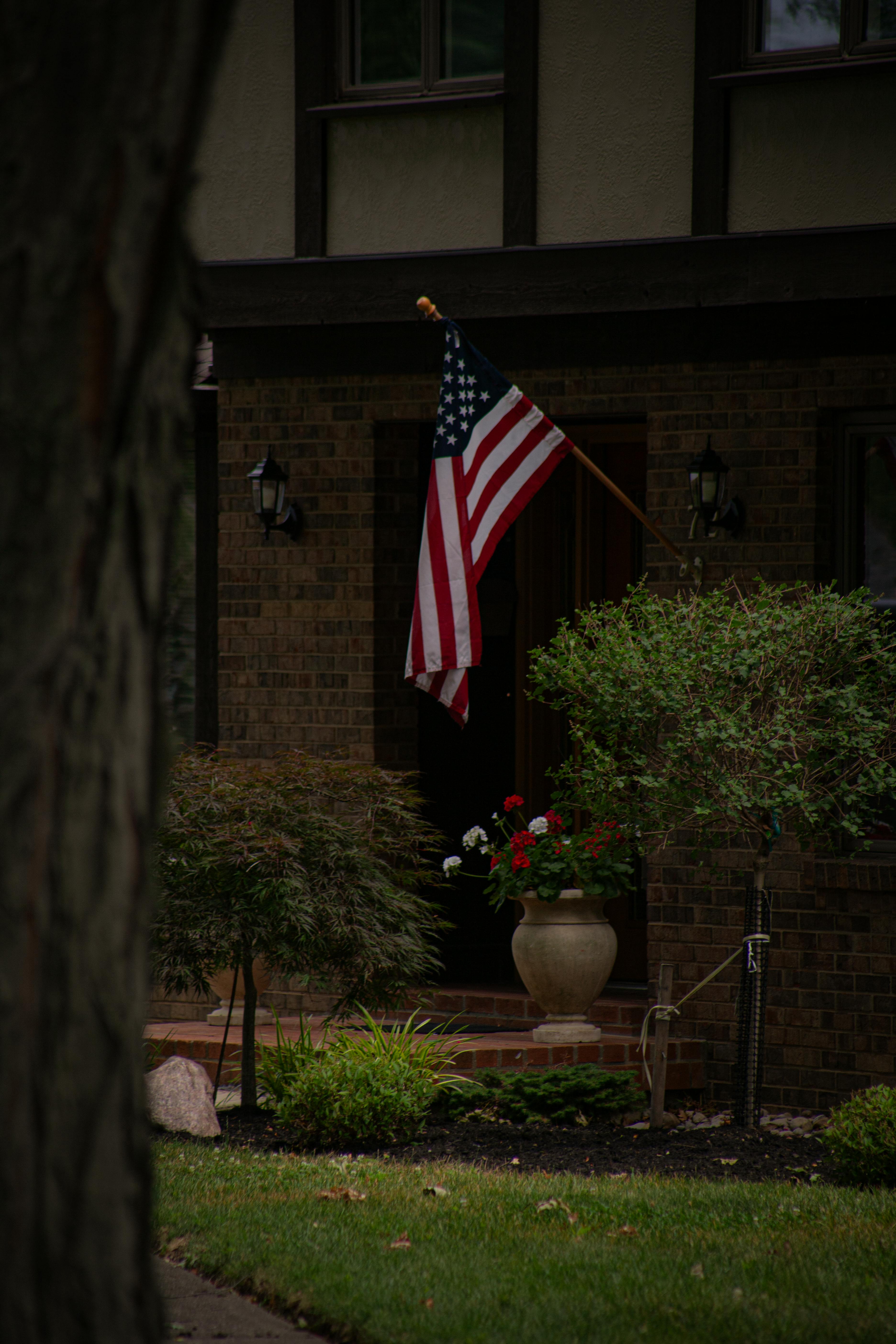
The Freedom to Display the American Flag Act of 2005 settled the core question nationwide. Signed into law in 2006, the statute says a condominium, cooperative, or homeowners association “may not adopt or enforce any policy, or enter into any agreement, that would restrict or prevent” an owner from displaying the U.S. flag on property they own or have exclusive use of, according to the official text published by the Government Publishing Office. The law carves out two exceptions: associations can enforce the federal flag code’s display rules, and they can set reasonable restrictions on time, place, or manner when a substantial interest is at stake, such as capping flagpole height or requiring flags down after dark. Most HOA flag fights now happen inside those exceptions, since a narrowly written restriction can still be argued as something short of an outright ban.
Several states have gone beyond that federal floor. Florida Statute 720.3075 guarantees property owners the right to display up to two portable, removable flags, and requires only that they be shown “in a respectful manner consistent with the requirements for the United States flag under 36 U.S.C. chapter 10,” the federal flag code, according to the statute’s official text. That leaves little room for an association to fall back on its own aesthetic guidelines, since the flag code is the only standard that applies.
California took a similar approach with Civil Code Section 4705, which bars associations from prohibiting a U.S. flag display on an owner’s property or on space set aside for the owner’s exclusive use, with an exception only for genuine public health or safety concerns, Newsweek reported. The outlet detailed how that protection is being tested in practice: the Ambiance Owners Association in San Marcos threatened residents Amy and Chris Cooke and Terri Collins with $100 fines over flags that had been mounted on their homes for more than two decades. The Cookes say the display isn’t a political statement. “The American flag is not a point of view; it’s a symbol of freedom,” they said. The association countered in a 2024 statement that allowing one flag invites others, warning the “common area will degrade” once owners can express “what is essentially a political or affiliative view in a flag, sign, or banner.” David Loy, legal director of the First Amendment Coalition, told Newsweek that associations “don’t have a blank check to say no signs, no flags whatsoever on your own private property.”
For homeowners facing a board that limits flag display to certain hours or threatens fines over a flagpole, these statutes offer real leverage. An association can still regulate a flag’s condition, size, or placement, but a blanket ban, or a restriction written to work like one, runs against the federal act and against most states’ own flag laws.
Leave a Reply